Table of contents
Learning to write letters is a foundational skill in early childhood education, and introducing children to tracing letter j helps build strong pre-writing habits. These worksheets are designed to support kindergarten learners as they recognize the shape, sound, and correct writing formation of the letter J. Through structured practice and engaging visuals, tracing letter j becomes an enjoyable and confidence-building experience that supports literacy readiness.
Recognizing and Tracing the Letter J
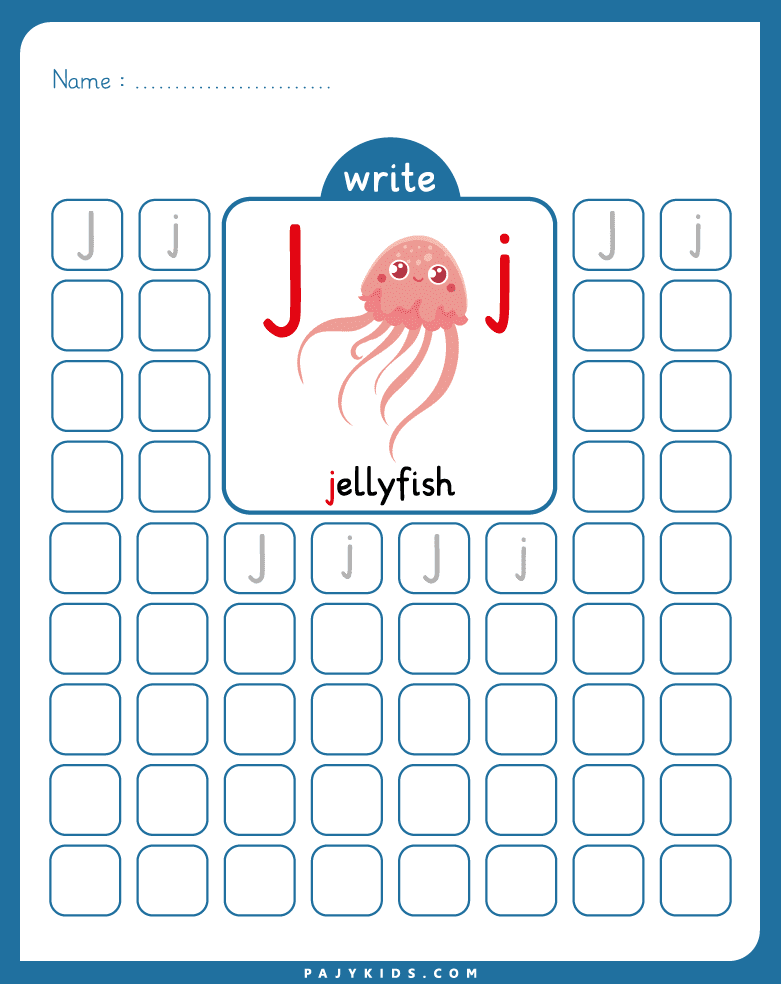
This worksheet focuses on helping children identify the uppercase and lowercase J while practicing tracing letter j in guided boxes. By following clear stroke paths, students learn correct letter formation and directionality. This activity is especially important for kindergarten students because it strengthens fine motor skills, hand-eye coordination, and visual recognition. Repeated exposure through tracing letter j allows children to develop muscle memory, which is essential for independent writing.
Tracing Letter J with Words and Images
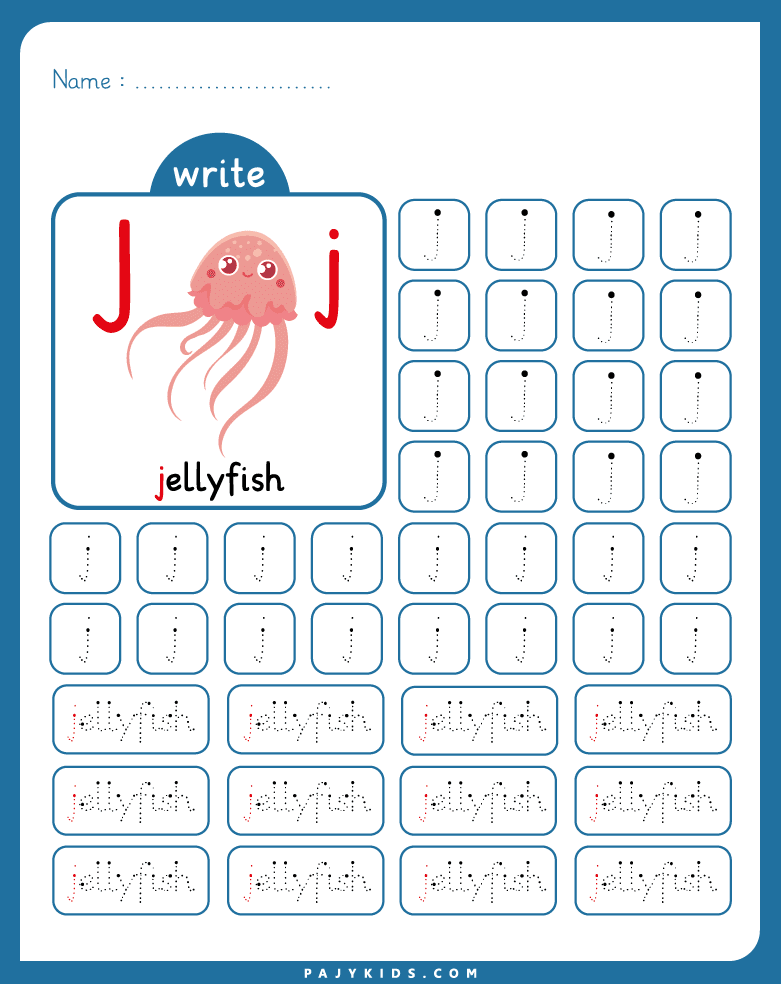
The second worksheet extends learning by combining tracing letter j with a simple word and matching image. Children trace the letter J multiple times and then practice tracing the associated word, reinforcing phonics awareness. This worksheet benefits kindergarten learners by connecting letter recognition with vocabulary development and early reading skills. The repetition and structured layout make tracing letter j both effective and engaging, supporting long-term retention.
Mothers Day Poem for Kindergarten to Recite: Short, Sweet Rhymes for Early Learners
In conclusion, these worksheets provide a well-rounded approach to early writing instruction. Consistent practice with trace letter j helps kindergarten children gain confidence, improve motor control, and build a strong foundation for reading and writing. By using developmentally appropriate tracing activities, teachers and parents can ensure that trace letter j becomes a meaningful part of early literacy learning.