Table of contents
Learning a new language at an early age becomes more effective when children interact with structured, visual, and meaningful materials. arabic language worksheets play a vital role in introducing young learners to Arabic letters, words, and basic reading skills in a simple and engaging way. By combining images, letters, and guided activities, these worksheets support children in kindergarten as they begin their Arabic literacy journey with confidence.
Learning Arabic Letters Through Visual Recognition
One of the main goals of arabic language worksheets is helping children recognize Arabic letters in their different forms. Worksheets that pair letters with colorful images allow preschoolers to visually associate each letter with a familiar object, making learning more memorable. This method strengthens letter recognition, improves attention span, and prepares children for reading readiness in a stress-free environment.
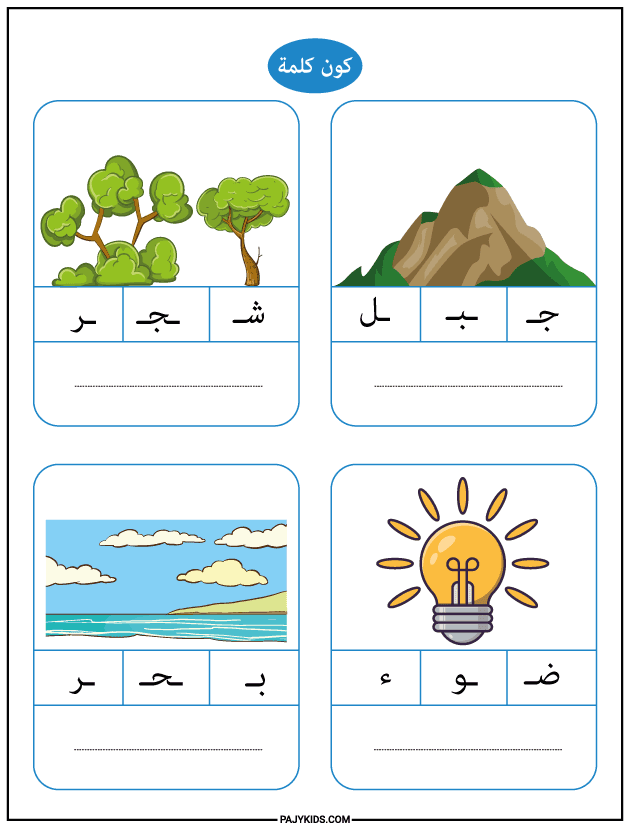
Forming Words to Develop Early Reading Skills
Word-building activities included in arabic language worksheets encourage children to arrange letters correctly to form simple words. This process enhances phonemic awareness and helps learners understand how letters come together to create meaning. For kindergarten students, this step is essential in transitioning from letter recognition to early reading skills.
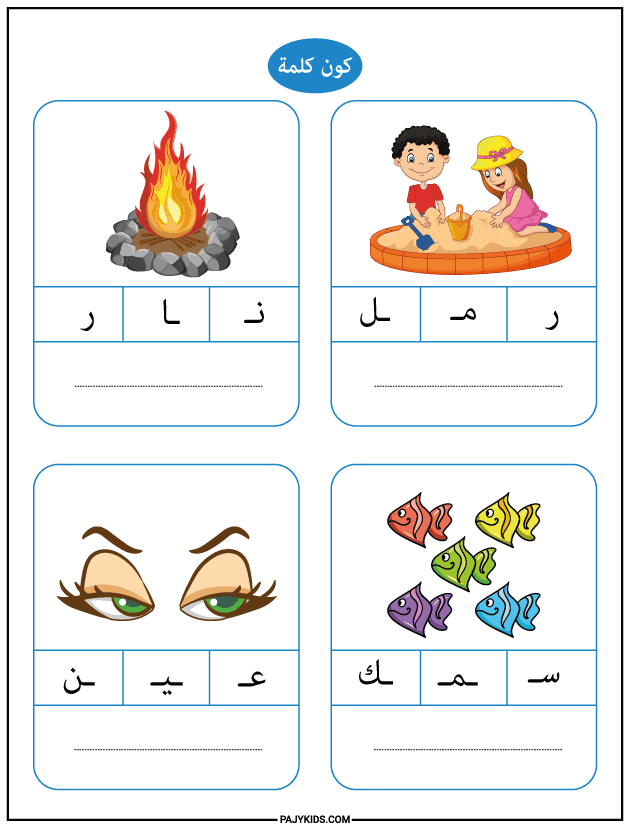
Expanding Vocabulary Through Contextual Images
Vocabulary development is another key benefit of arabic language worksheets, especially when words are presented alongside clear and familiar images. Children learn new Arabic words related to their daily life, nature, animals, and objects, which supports comprehension and long-term retention. This contextual learning approach makes Arabic more relatable and enjoyable for young learners.
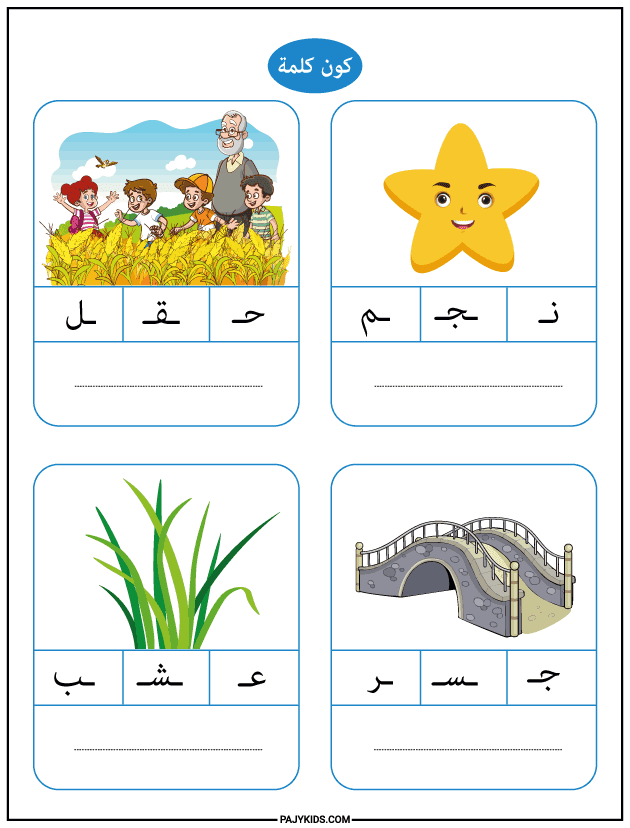
Supporting Cognitive and Motor Skill Development
In addition to language learning, arabic language worksheets also help develop fine motor skills through tracing, coloring, and matching activities. These tasks improve hand-eye coordination and concentration while reinforcing language concepts. Such integration of skills is especially important in early childhood education.
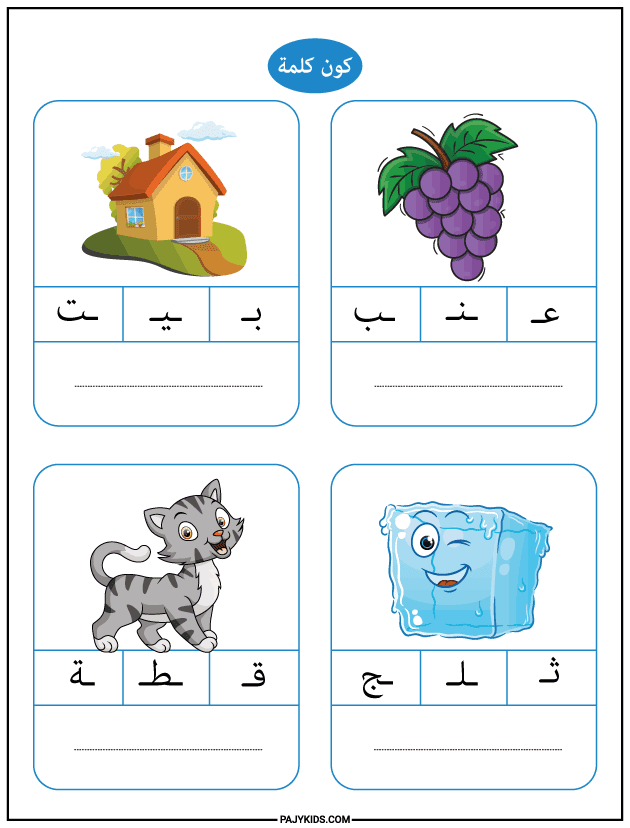
Alif Alphabet Arabic Worksheets for Short Vowel Learning
In conclusion, arabic language worksheets are an effective and engaging resource for teaching Arabic to kindergarten children. They combine visual learning, vocabulary building, and early reading practice into one cohesive experience. When used consistently at home or in the classroom, these worksheets lay a strong foundation for Arabic literacy and foster a positive attitude toward learning the language.
See Alao: