Table of contents
Learning how to write Arabic letters is one of the most important steps in early literacy development. Visual worksheets that combine pictures, tracing, and letter recognition help young learners understand letter shapes and sounds in a meaningful way. These activities support fine motor development, visual memory, and phonemic awareness, making arabic letters writing practice an essential part of kindergarten education.
Picture-Based Letter Recognition Activity
This worksheet presents a colorful tree filled with familiar animals, each associated with a specific Arabic letter. Children are encouraged to observe the image and identify the correct starting letter related to each animal. This type of arabic letters writing practice strengthens early reading readiness by helping children connect spoken sounds with written symbols while maintaining strong visual engagement.
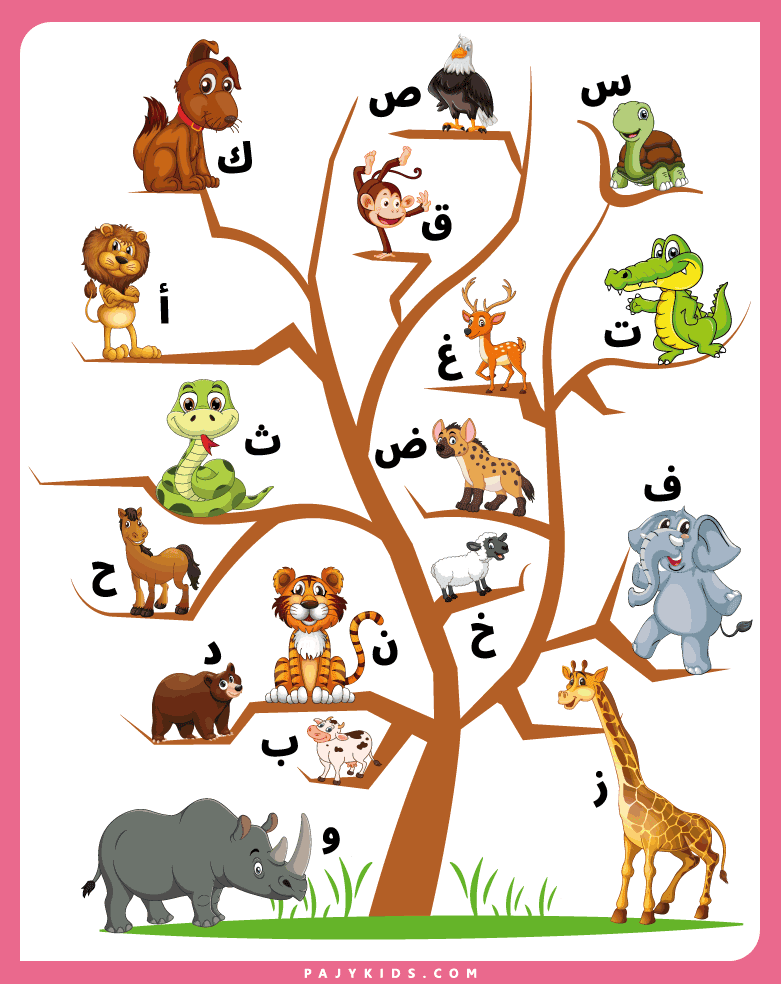
Guided Writing and Letter Reinforcement Activity
This worksheet encourages children to rewrite the selected letters after identifying them correctly. By practicing controlled writing movements, children improve hand coordination and pencil control. Repeating letter forms through arabic letters writing practice builds muscle memory and increases confidence in forming Arabic letters correctly.
Arabic counting Flashcards and Early Childhood Development
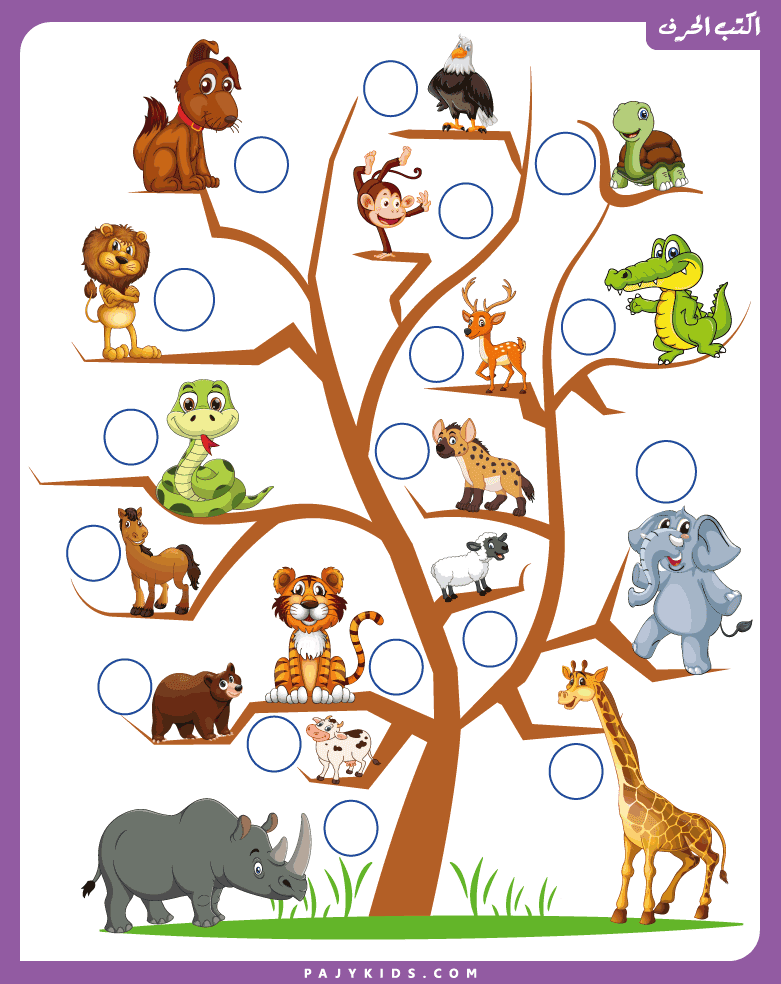
Using visual and interactive worksheets allows children to learn Arabic letters in a natural and enjoyable way. When recognition, selection, and writing are combined in one learning sequence, arabic letters writing practice becomes more effective and developmentally appropriate. These activities prepare kindergarten learners for successful reading and writing by building a strong foundation in Arabic literacy.
See Also: