Table of contents
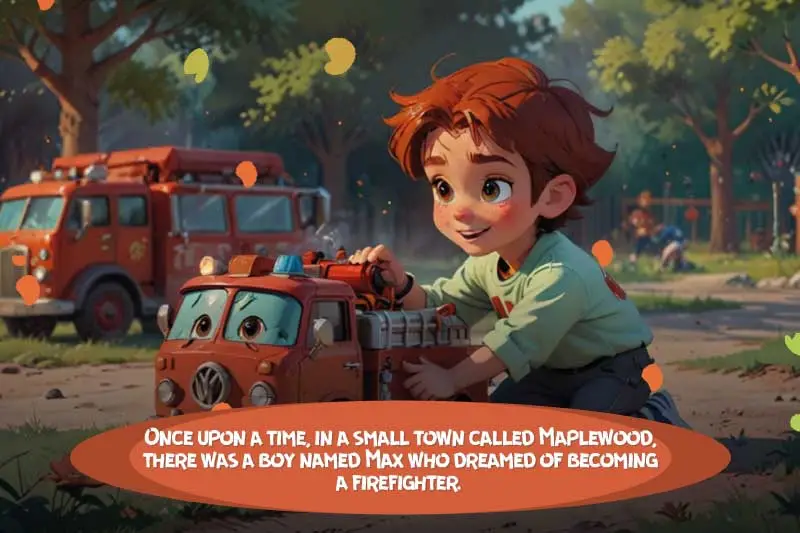
Children learn best through stories. When lessons are wrapped inside characters, emotions, and adventure, they become meaningful rather than instructional. The illustrated story in the provided material — about a young boy who reacts quickly to a fire and helps rescue a trapped kitten — offers a gentle yet powerful opportunity to teach children about fire safety, courage, and community responsibility.
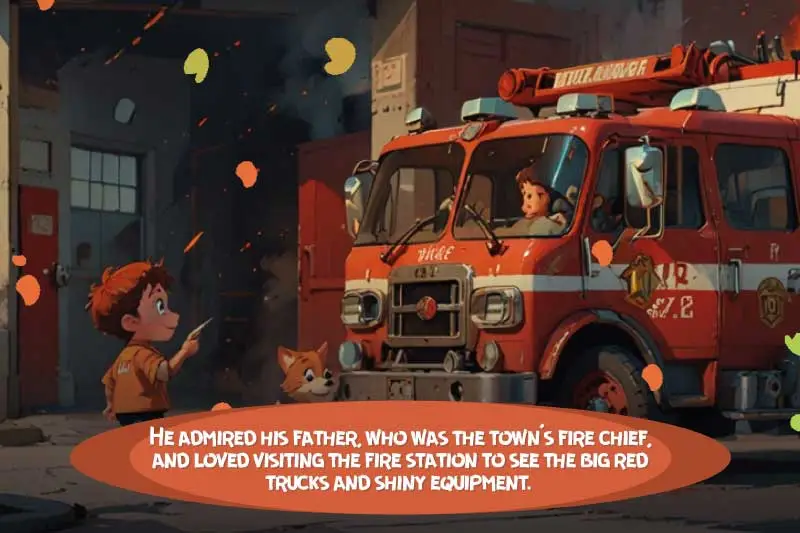
The scenes across the pages show a child inspired by his firefighter parent, recognizing danger, alerting adults, and remembering safety rules during an emergency. These moments make the story perfect for parents who want to introduce safety concepts without causing fear.
Stories like this don’t just entertain — they help children rehearse real-life responses in a safe, imaginative way.

What This Activity Teaches Children
Understanding Safety Without Fear
The story shows that emergencies can happen, but preparation and calm thinking matter. Children learn that noticing danger and telling an adult is often the safest first step.
Recognizing Community Helpers
The presence of firefighters and the fire station helps kids understand the role of community helpers. This builds trust and teaches children who they can turn to in emergencies.
Practicing Bravery and Responsibility
The young character demonstrates bravery by acting thoughtfully rather than impulsively. Parents can highlight that bravery isn’t about being fearless — it’s about making safe choices even when worried.
Building Empathy
Rescuing a small animal introduces compassion. Kids naturally connect with animals, so this scene encourages kindness and responsibility toward others.
Step-by-Step Guide on How to Use This Story With Children
Step 1: Read the Story Slowly Together
Pause at each illustrated scene. Ask simple questions such as:
- “What do you think is happening here?”
- “What would you do if you saw smoke?”
- “Why did he tell an adult first?”
This builds comprehension and reflection rather than passive listening.
Step 2: Discuss Fire Safety Basics
After reading, connect the story to real life:
- Explain smoke alarms
- Talk about safe exits in your home
- Remind children never to hide during a fire
Keep the tone calm and reassuring.
Step 3: Act Out Safe Responses
Children learn through movement. Try role-playing:
- Pretend to hear a smoke alarm
- Practice crawling low under imaginary smoke
- Walk to a meeting spot outside
This transforms abstract safety rules into muscle memory.
Step 4: Connect the Story to Your Community
If possible:
- Visit a local fire station
- Read additional firefighter books
- Watch a short educational video
Real-world connections make lessons stick.
Tips to Make It Fun
Use Props or Toys
Toy fire trucks, dolls, or stuffed animals help children reenact the story. This encourages imaginative play while reinforcing safety steps.
Turn It Into a Drawing Activity
Ask your child to draw:
- Their home’s escape plan
- A firefighter helping someone
- The kitten rescue scene
Art helps children process information emotionally and visually.
Create a Safety Hero Badge
Make a paper badge for your child after practicing safety steps. This reinforces confidence and pride in learning.
Ways to Extend the Activity
Create a Family Fire Plan
Together, map out:
- Two exits from each room
- A safe meeting spot outside
- Who calls emergency services
Let your child help draw the map.
Explore Community Helper Roles
Expand beyond firefighters:
- Talk about paramedics
- Police officers
- Teachers and neighbors
This broadens children’s understanding of support systems.
Introduce Kindness Challenges
Since the story highlights helping others, try daily “helper challenges” like:
- Helping set the table
- Checking on a pet
- Being kind to a sibling
This reinforces the emotional lesson behind the adventure.
A simple illustrated story can open the door to meaningful conversations about safety, responsibility, and courage. When parents guide children through stories like this one, they aren’t just reading — they are helping build life skills.
By turning storytelling into discussion, practice, and play, you help your child feel prepared rather than scared. Over time, these small moments of learning shape confident, compassionate, and safety-aware kids.