Table of contents
Kindness is one of the most powerful life skills children can develop. It shapes how they build friendships, solve conflicts, and understand the feelings of others. When children learn that small helpful actions can make a big difference, they begin to see themselves as capable, caring people.
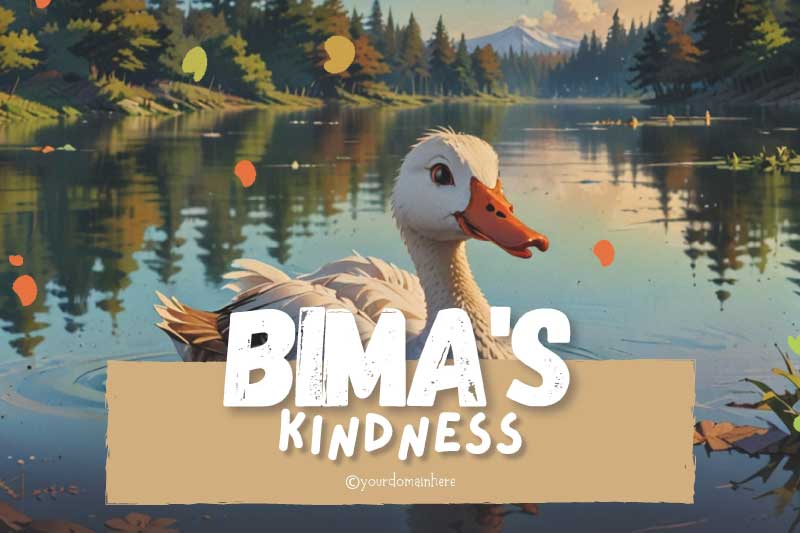
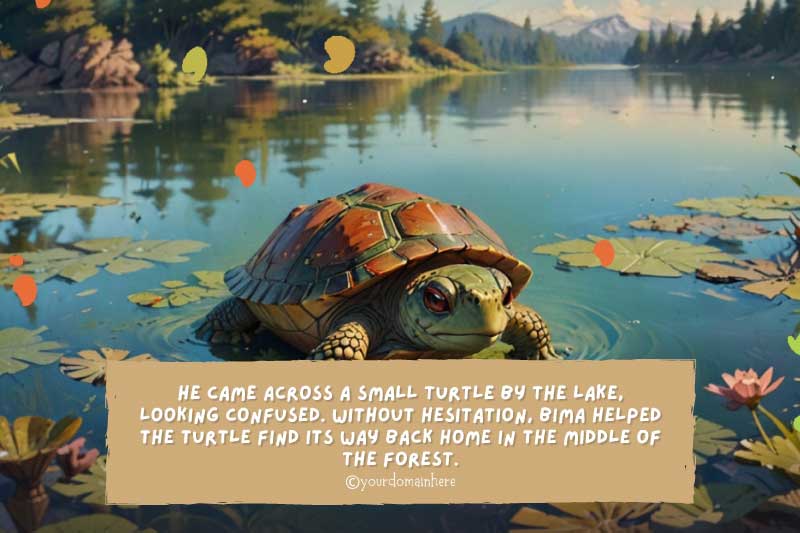
Simple stories are especially effective tools for teaching kindness because they help children connect emotionally to characters and situations. In the learning material, children follow the story of a friendly duck who helps a lost turtle return home and learns that kindness brings happiness even when friendships are short-lived.
Stories like this give parents a gentle, natural way to talk about empathy, gratitude, and helping others without lectures or pressure.
What This Activity Teaches Children
Understanding Empathy
Children see how the duck notices the turtle’s confusion and chooses to help. This models paying attention to others’ feelings and responding with care.
Practicing Helpful Behavior
The story shows that helping doesn’t need to be dramatic. Guiding someone, sharing time, or offering support are all meaningful acts of kindness.
Learning About Gratitude
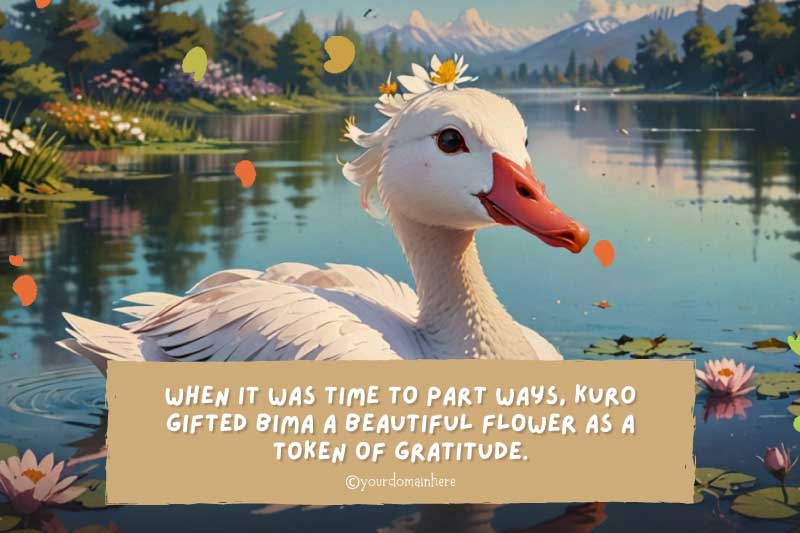
When the turtle thanks the duck with a flower, children understand that appreciation strengthens relationships and makes both people feel valued.
Emotional Growth
The ending highlights an important lesson: even when friends part ways, kindness still brings joy. This helps children cope with transitions and temporary friendships.
Step-by-Step Guide: How to Use This Story With Your Child
Step 1: Read the Story Together
Sit with your child and read the story slowly. Pause to let them look at the illustrations and absorb what is happening.
Ask simple questions such as:
- “How do you think the turtle feels?”
- “Why do you think the duck helped?”
These questions help children begin thinking emotionally rather than just following the plot.
Step 2: Talk About the Kindness Moment
Focus on the key moment when the duck helps the turtle.
Ask:
- “Have you ever helped someone like that?”
- “How did it feel?”
If your child hasn’t had that experience yet, offer examples from everyday life, like helping a sibling or sharing toys.
Step 3: Connect the Lesson to Real Life
Help your child identify small ways they can show kindness today.
Examples include:
- Helping set the table
- Sharing snacks
- Comforting a friend
Making the connection between story and real life is what turns reading into learning.
Step 4: Do a Kindness Reflection Activity
After reading, invite your child to draw or talk about:
- A time someone helped them
- A time they helped someone else
This reflection strengthens emotional awareness and reinforces the lesson.
Tips to Make It Fun
Use Voices and Expressions
Bring the characters to life with different voices. Children engage more when stories feel playful and animated.
Add Role-Play
Pretend to be the duck and turtle. Act out helping, thanking, and saying goodbye. Role-play makes abstract ideas like empathy easier to understand.
Create a Kindness Jar
After reading, write down one kind action your child does each day and place it in a jar. Watching the jar fill up reinforces positive behavior.
Celebrate Kindness Wins
When your child shows kindness, connect it back to the story:
“That was just like the duck helping the turtle!”
This strengthens the learning loop.
Ways to Extend the Activity
Create a Kindness Storybook
Invite your child to invent their own story about helping someone. They can draw pictures and dictate the words.
Practice Gratitude Notes
Help your child write or draw thank-you notes to friends, teachers, or family members.
Go on a Kindness Walk
During a walk, look for opportunities to help:
- Picking up litter
- Holding a door
- Saying hello kindly
This shows that kindness is part of everyday life.
Start a Weekly Kindness Challenge
Each week, choose one simple goal like:
- Share with a sibling
- Compliment a friend
- Help with chores
Children love challenges, and this keeps the idea active.
Short Bedtime Stories for Kindergarteners: Cute, Quick, and Easy
Simple Ways to Try This Activity Today
- Read the story together and ask one empathy question.
- Invite your child to share one kind thing they did today.
- Choose one small kindness goal for tomorrow.
- Praise effort, not perfection, when your child helps others.
- Revisit the story at bedtime and ask what lesson they remember.
Kindness isn’t something children learn from rules — they learn it from stories, conversations, and everyday experiences. When parents use simple narratives to spark reflection and discussion, children begin to understand that their actions matter.
By reading together, talking openly, and celebrating small acts of kindness, you help your child build empathy, confidence, and emotional resilience. Over time, these small lessons grow into lifelong values that shape how they treat the world and the people in it.