Table of contents
A story for pre k children can turn bedtime into one of the most magical moments of the day. Instead of rushing kids to sleep, a simple and playful story invites them into a calm world filled with imagination, friendly characters, and gentle adventures. For young children, stories are more than entertainment—they are little journeys that help them understand emotions, language, and the world around them.
Preschoolers are naturally curious. They love hearing about animals that talk, stars that sparkle like friends, and small heroes who solve simple problems. When a bedtime story feels playful and warm, children relax while their imagination quietly grows.
Parents and teachers often notice that stories become part of a comforting nightly routine. Children begin to look forward to bedtime because they know a new adventure is waiting. In the quiet moments before sleep, stories create connection, calmness, and learning all at once.
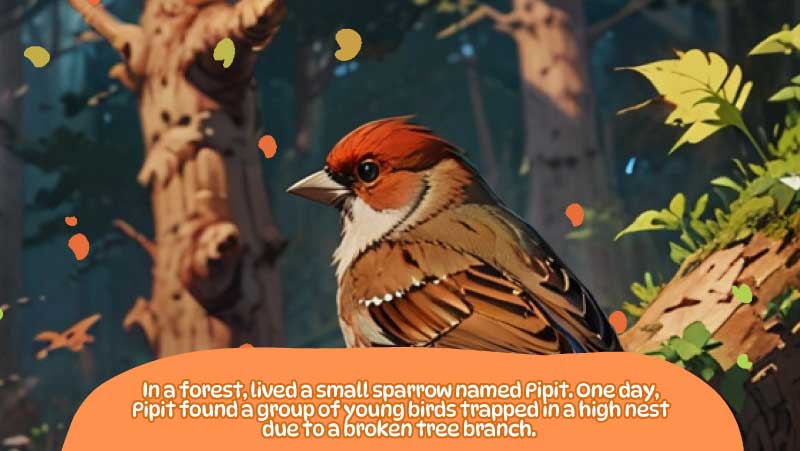
Why Bedtime Stories Matter for Preschoolers
Bedtime storytelling helps children shift from a busy day to a calm and peaceful night. Listening to a story slows their minds and helps them relax after hours of activity and play.
A well-crafted story for pre k children uses simple words, gentle pacing, and repeating patterns. These elements help young listeners follow the story easily while strengthening their vocabulary and listening skills.
Over time, bedtime stories also become a comforting routine. When children hear familiar voices and favorite tales before sleep, they feel safe and secure.
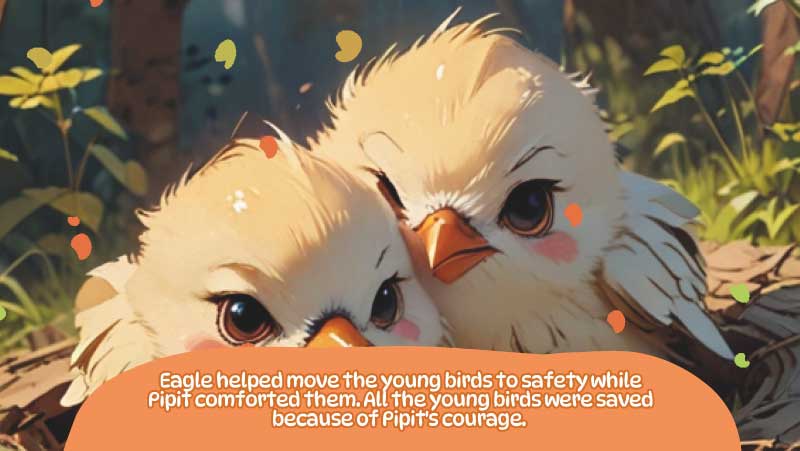
Creating Characters Kids Instantly Love
Children connect deeply with characters who feel friendly, curious, and a little playful. Animals, magical creatures, or adventurous kids often make the best story heroes for preschoolers.
When characters experience small challenges—like helping a friend or finding something lost—children begin to understand emotions and empathy. They learn important ideas simply by watching how the characters behave.
A great story for pre k works best when the characters show kindness, bravery, and cooperation in simple ways that children can understand.
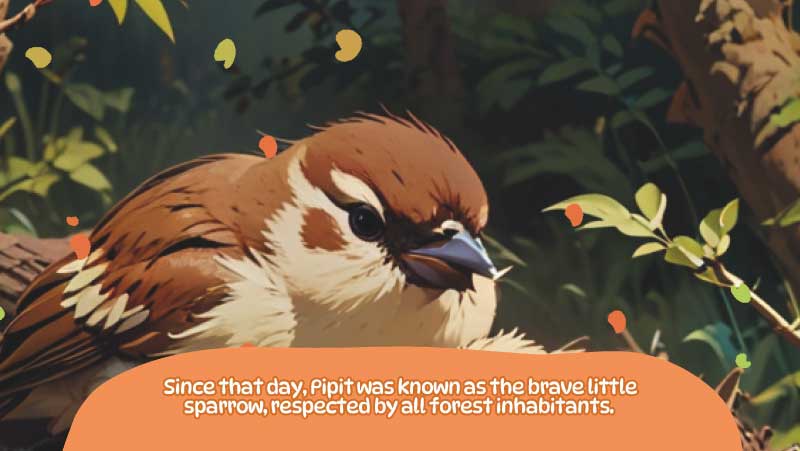
Keeping Stories Simple and Easy to Follow
Preschool children respond best to stories that are clear and easy to imagine. Long or complicated plots can lose their attention quickly, but simple adventures keep them engaged.
Short journeys, magical forests, friendly animals, or tiny bedtime adventures can capture their imagination. These settings help children visualize the story while keeping the tone calm and relaxing.
Adding colorful but simple descriptions allows children to picture the story in their minds without feeling overwhelmed.
Teaching Gentle Lessons Through Stories
Stories naturally introduce small life lessons without making them feel like instructions. Children absorb ideas about kindness, sharing, patience, and curiosity while simply enjoying the adventure.
For example, a story for pre k might follow a small bunny who learns that helping friends makes the journey easier. The lesson appears naturally through the story rather than being explained directly.
This style of storytelling helps children remember positive values while still feeling like they are just listening to a fun tale.
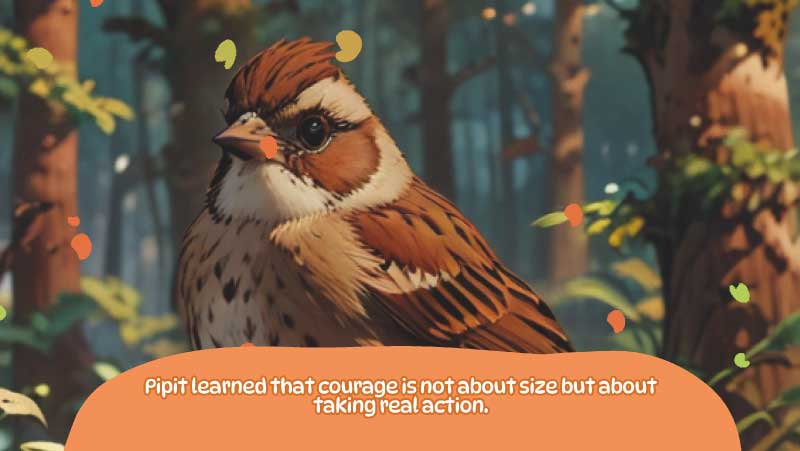
How to Teach Kindness to Kids Using Simple Stories and Daily Activities
Making Storytime Interactive and Fun
Storytime becomes even more exciting when children participate. Asking simple questions like “What do you think happens next?” or “Which character do you like the most?” encourages imagination and engagement.
Parents and teachers can also add playful voices, gentle sound effects, or small pauses to make the story feel alive. A sleepy owl or giggling squirrel can instantly capture a child’s attention.
Interactive storytelling helps children stay focused while building their communication and listening skills.
Conclusion
A meaningful story for pre k can turn bedtime into a peaceful moment filled with imagination, warmth, and gentle learning. Through simple characters and playful adventures, children relax while exploring ideas that shape their understanding of the world.
When storytelling becomes part of the bedtime routine, it strengthens emotional connections between adults and children. More importantly, it shows young learners that books and stories are places where fun and learning come together.
In the quiet moments before sleep, a simple story can spark creativity, comfort young minds, and leave children dreaming about their next adventure.
FAQ
What kind of stories are best for preschool children?
Preschoolers enjoy stories with simple plots, friendly characters, and gentle adventures. Animal stories, magical settings, and stories about helping friends are usually very engaging.
How long should a bedtime story be for young kids?
Short stories usually work best. Around five to ten minutes keeps children interested while still helping them relax before sleep.
Why do preschoolers enjoy hearing the same story repeatedly?
Young children love repetition because it helps them feel comfortable and confident. Hearing the same story again also helps them remember words and understand the story better.
Can bedtime stories support early learning?
Yes. Stories introduce new vocabulary, emotions, and ideas naturally. Children learn about kindness, sharing, and problem-solving while simply enjoying the narrative.
How can parents make bedtime storytelling more engaging?
Using expressive voices, asking questions, and letting children guess what happens next can make storytime more interactive and fun.