Table of contents
Helping children understand how the world works doesn’t always require complicated lessons or advanced science experiments. Sometimes, a simple story and colorful visuals can spark curiosity and inspire a lifelong love of learning. A hot air balloon learning activity is a wonderful example of this approach.
Through engaging storytelling and imaginative illustrations, children are introduced to the exciting story of the first hot air balloon ride. They also discover a basic science concept: hot air rises. When parents and teachers explore this activity with children, it becomes more than just a story—it becomes an interactive learning experience that combines history, science, and imagination.
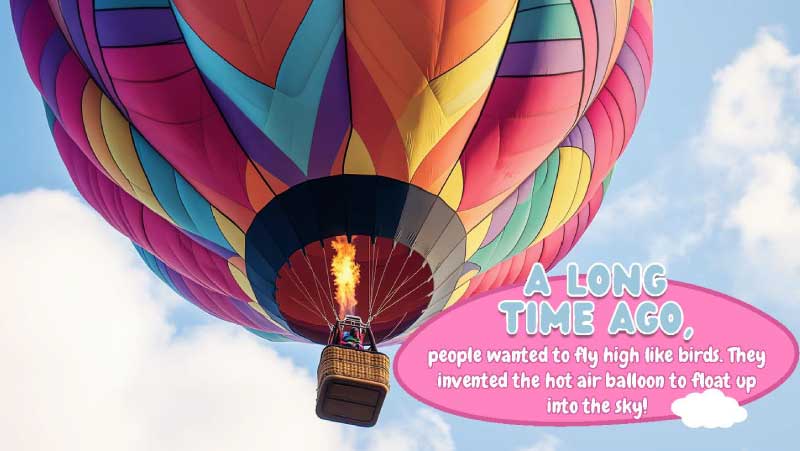
The learning materials present a gentle narrative about how people dreamed of flying like birds, leading to the invention of the first hot air balloon in 1783. The story also explains how hot air makes balloons float in the sky and how this invention began the adventure of human flight.
This type of activity is ideal for preschoolers, kindergarteners, and early elementary students who are just beginning to explore science and history concepts.
What This Activity Teaches Children
A hot air balloon story activity may seem simple, but it supports multiple areas of child development. Children learn important academic and developmental skills while enjoying the narrative.
1. Early Science Concepts
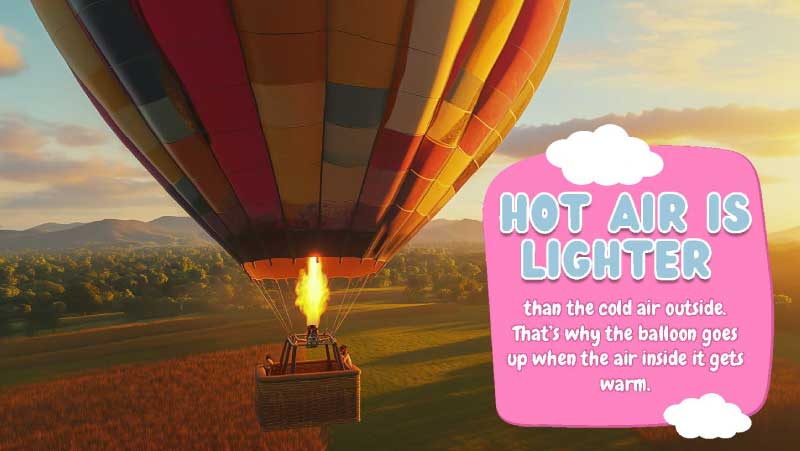
One of the key ideas introduced in the activity is that hot air is lighter than cold air. This explains why hot air balloons rise into the sky.
Even though the explanation is simple, it introduces children to the concept of temperature affecting air movement, which is an important foundation for later science learning.
Children begin to understand that:
- Warm air rises
- Heat can change how things move
- Scientific ideas explain everyday phenomena
These early STEM ideas help build curiosity about how the world works.
2. Basic History Awareness
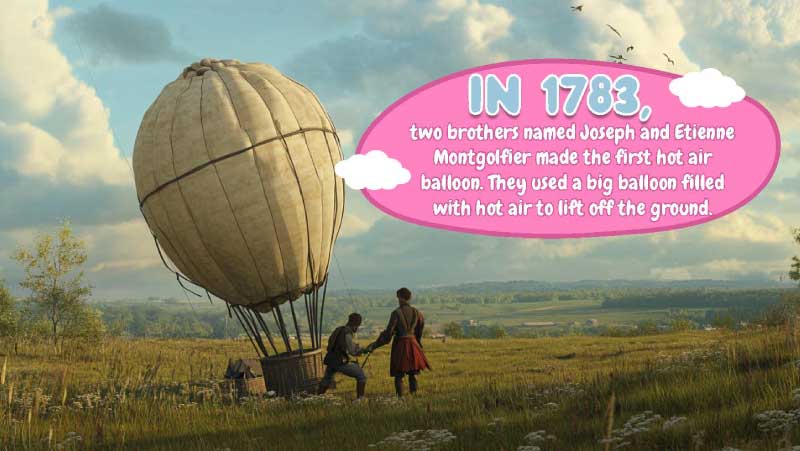
The story introduces children to the first hot air balloon invention in 1783, created by the Montgolfier brothers.
Through this narrative, children learn that:
- People invent new things
- Human flight did not always exist
- Innovation comes from curiosity and experimentation
This creates an early understanding of historical progress and technological discovery.
3. Listening and Comprehension Skills
Story-based learning helps children practice:
- listening carefully
- understanding sequences of events
- answering simple questions about a story
For example, parents can ask:
- Why did people want to fly?
- What makes the balloon rise?
- Who invented the hot air balloon?
These questions strengthen comprehension and memory.
4. Imagination and Curiosity
The images of balloons floating above landscapes and the idea of flying through the sky spark children’s imagination.
Kids naturally begin asking questions like:
- What would it feel like to ride in a balloon?
- How high can balloons fly?
- Where would we go if we could fly?
Curiosity like this encourages deeper learning.
5. Language Development
Story-based activities help children expand their vocabulary by introducing words like:
- balloon
- adventure
- float
- sky
- heat
Hearing these words in context helps children understand and remember them more easily.
How Parents Can Use This Activity With Their Child
Parents can turn this story into a meaningful learning moment by guiding children through it step by step.
Step 1: Read the Story Together
Sit with your child and explore the story slowly.
Point to the illustrations and describe what you see. Ask your child what they notice in each scene.
Step 2: Pause to Ask Questions
Pause during the story to encourage discussion.
You might ask:
- What do you think will happen next?
- Why do you think the balloon goes up?
- How do you think people felt when they first flew?
This keeps children engaged and thinking actively.
Step 3: Explain the Science Simply
When the story explains that hot air is lighter than cold air, use simple language.
For example:
“Warm air moves upward, and that helps the balloon float into the sky.”
You can even demonstrate by holding a balloon and imagining it floating upward.
Step 4: Encourage Story Retelling
After finishing the story, ask your child to tell the story back to you.
This helps strengthen memory and storytelling skills.
Step 5: Connect It to Real Life
Show pictures or videos of real hot air balloons later.
Explain that people still ride them today for fun and beautiful views.
Tips to Make This Activity Fun
Children learn best when activities feel like play. Here are a few ways to make the experience even more enjoyable.
Use Dramatic Storytelling
Change your voice while reading. Speak softly during quiet moments and excitedly when the balloon rises.
Children love expressive storytelling.
Pretend to Fly
Ask your child to pretend they are inside a balloon basket.
They can:
- look down at imaginary mountains
- wave to people below
- describe what they see
This role-play makes the story more memorable.
Draw Hot Air Balloons
After reading, encourage your child to draw their own balloon.
They can decorate it with:
- bright colors
- patterns
- imaginary passengers
Drawing helps reinforce what they learned.
Count the Balloons
In scenes with multiple balloons, ask your child to count them.
This adds a simple math element to the activity.
Act Out the Science
Pretend to fill a balloon with warm air by raising your hands slowly upward.
Then pretend cold air makes it go down.
This physical movement helps children understand the concept.
Ways to Extend the Activity
If your child enjoys the story, you can expand the learning experience with additional activities.
Create a Paper Balloon Craft
Use paper, string, and a small basket made from folded paper.
Children can build their own balloon model.
Watch Balloons in the Sky
If possible, visit a park or festival where hot air balloons are present.
Seeing a real balloon can make the story come alive.
Try a Simple Warm Air Demonstration
Hold a lightweight tissue or paper above warm air from a safe distance (such as near warm air from a vent).
Children can observe how warm air moves upward.
Build a Mini Storybook
Ask your child to create their own version of the balloon story.
They can draw pictures showing:
- People dreaming of flying
- Building the balloon
- The balloon rising into the sky
This reinforces sequencing and creativity.
Activity Preview
The activity presents a cheerful story about the first hot air balloon ride through colorful illustrations and simple text.
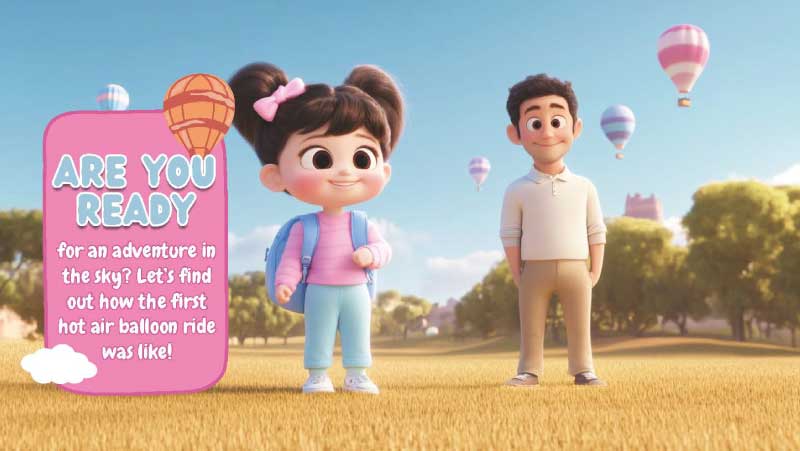
At the beginning, children meet friendly characters preparing for an adventure in the sky. Bright balloons float in the background, creating a sense of excitement and wonder.
As the story continues, children see how people long ago dreamed of flying like birds. The visuals then show a large balloon being prepared for flight in the countryside.
One scene highlights the scientific idea that hot air is lighter than cold air, explaining why the balloon rises. The illustration shows warm air filling the balloon while a flame heats the air beneath it.
Later images show children riding in the basket of a balloon and looking out across beautiful landscapes from high above. The story ends by explaining that hot air balloons are still used today for fun rides and breathtaking views.
The visuals make it easy for children to understand both the science concept and the historical story.
Simple Ways to Try This Activity Today
Parents can start using this learning activity right away with just a few steps.
- Read the hot air balloon story slowly with your child.
- Ask simple questions about what is happening in each picture.
- Explain that warm air helps balloons float upward.
- Invite your child to draw their own hot air balloon.
- Pretend to take a balloon ride together and describe what you see below.
These simple steps turn a short story into a meaningful learning experience.
Conclusion
Children learn best through curiosity, imagination, and shared moments with caring adults. A simple storytelling activity about hot air balloons can introduce early science concepts, spark interest in history, and encourage creative thinking.
By reading together, asking questions, and exploring the idea of flight, parents and teachers can help children develop a deeper understanding of the world around them. Activities like this show that learning does not have to be complicated, sometimes the most powerful lessons begin with a story and a little imagination.