Table of contents
Helping young children learn the alphabet is one of the most important early steps in literacy development. But for many parents and educators, keeping children engaged while practicing letters can feel like a challenge. That’s where playful, hands-on activities make all the difference.
Alphabet maze worksheets combine learning and play in a way that feels exciting for children. Instead of simply tracing or repeating letters, kids become active participants in a mini adventure—guiding a character through twists and turns to reach a specific letter. This approach not only builds letter recognition but also strengthens focus, patience, and problem-solving skills.
These types of activities are especially helpful for preschoolers and kindergarten learners who thrive on visual and interactive experiences. By turning learning into a game, children stay motivated and curious, making the process both enjoyable and effective .
What This Activity Teaches Children
Alphabet maze worksheets offer much more than just letter practice. They support several key areas of early childhood development:
Letter Recognition
Each maze is centered around a specific letter, helping children visually identify and remember both uppercase and lowercase forms. Repetition across different mazes reinforces familiarity in a fun way.
Fine Motor Skills
As children trace paths through the maze using a pencil or crayon, they strengthen the small muscles in their hands. This is essential for writing readiness.
Problem-Solving Skills
Mazes require children to think ahead, make decisions, and correct mistakes. These cognitive processes build early critical thinking abilities.
Visual Tracking and Focus
Following a path through a maze helps children develop visual tracking skills—an important foundation for reading.
Confidence and Independence
Completing a maze gives children a sense of accomplishment. Over time, they become more confident tackling new challenges on their own.
How Parents Can Use This Activity With Their Child
Using alphabet maze worksheets at home or in the classroom is simple and flexible. Here’s a step-by-step approach to make the most of this activity:
1. Start With One Letter at a Time
Choose a single letter maze to introduce. Say the letter aloud and ask your child to repeat it.
2. Talk About the Letter
Before starting, discuss words that begin with that letter. For example, “A is for apple.”
3. Guide the First Attempt
Sit with your child and help them understand how to follow the maze path. Encourage them to move slowly and carefully.
4. Let Them Try Independently
Once they understand the concept, allow your child to complete the maze on their own.
5. Celebrate Completion
Praise their effort, not just the result. This builds motivation and a positive attitude toward learning.
6. Repeat With New Letters
Gradually introduce additional letters to build familiarity with the entire alphabet.
Tips to Make This Activity Fun
Keeping children engaged is key. Here are some simple ways to make alphabet maze worksheets even more enjoyable:
- Turn it into a story: Pretend the character is on a mission to “save the letter.”
- Use colorful tools: Let children choose crayons, markers, or colored pencils.
- Add a timer: For older kids, turn it into a gentle challenge (without pressure).
- Celebrate small wins: Stickers or verbal praise go a long way.
- Play together: Take turns solving mazes to make it interactive.
The goal is to keep the experience light and playful so children associate learning with fun.
Tracing Letter Z Practice with Fun and Educational Worksheets
Activity Preview
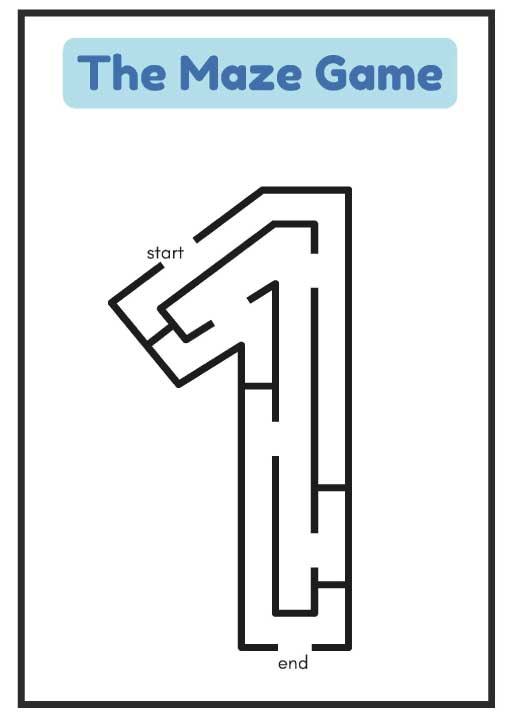
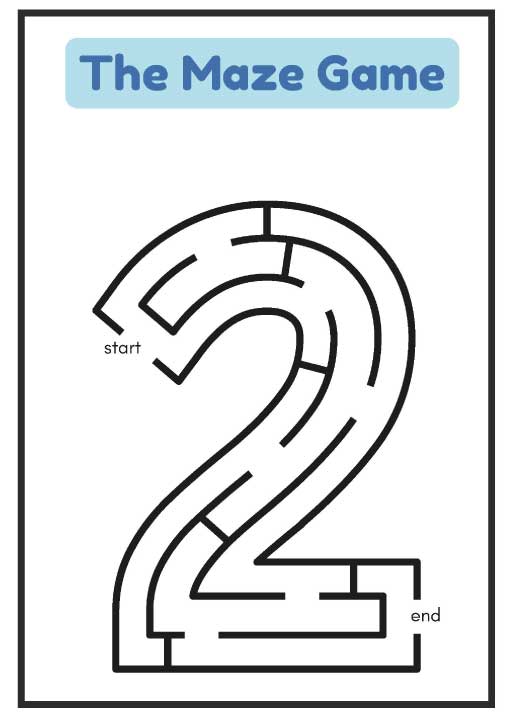
The activity features engaging, child-friendly maze designs shaped like letters of the alphabet. Each page presents a bold, clearly outlined letter that forms the maze path itself.
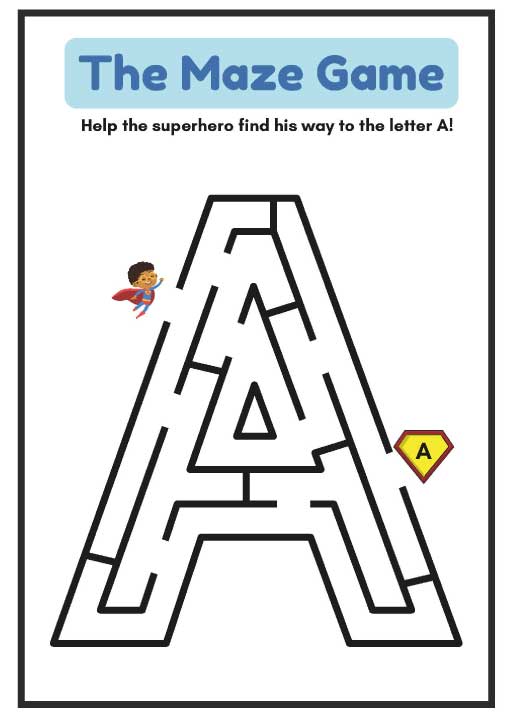
For example, on one page, children see a large lowercase “a” designed as a winding maze. A small superhero character appears at the starting point, and the goal is to guide the character through the maze to reach a highlighted letter symbol at the end .
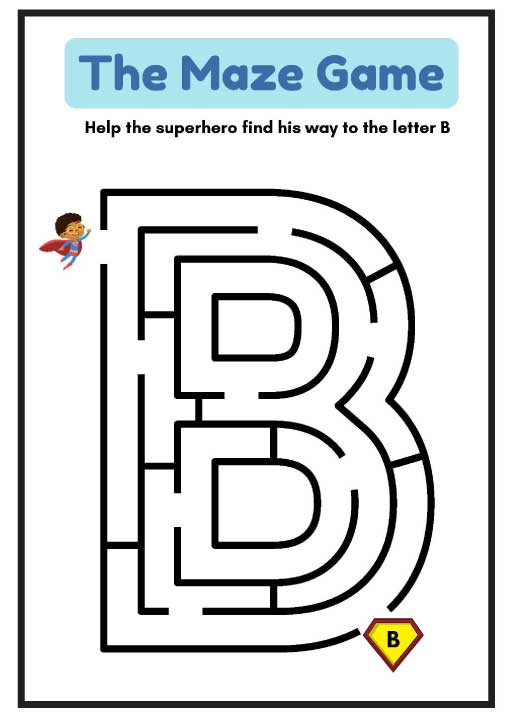
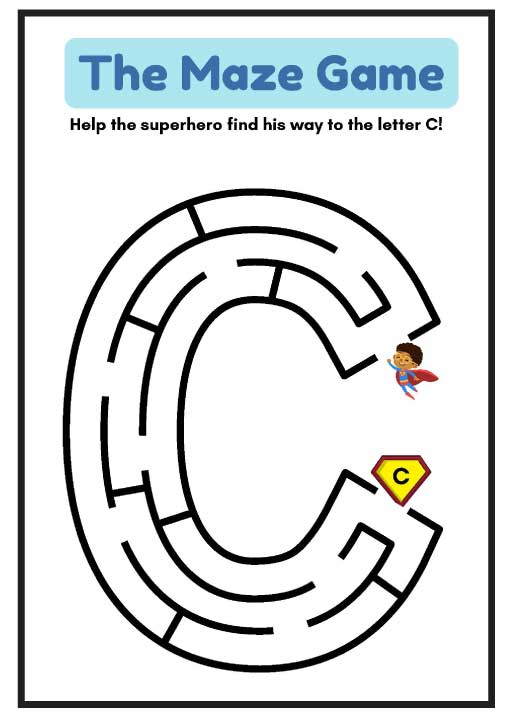
Other pages follow the same concept for different letters such as “b,” “c,” and beyond. Each maze is uniquely shaped to match the letter, helping children visually connect the structure of the letter with its identity.
The consistent format makes it easy for children to understand what to do, while the variety keeps them engaged across multiple activities.
Conclusion
Simple, playful activities like alphabet maze worksheets can have a powerful impact on your child’s early learning journey. By combining movement, problem-solving, and letter recognition, these activities make learning feel like an adventure rather than a task.
Whether you’re a parent, homeschooler, or teacher, incorporating fun and interactive tools into your routine helps children build strong foundational skills while enjoying the process. With consistency and encouragement, even small daily activities can lead to big learning gains over time.