Table of contents
Helping children develop strong language skills doesn’t have to feel like formal learning. In fact, some of the most effective literacy development happens through play. A word scramble game for kids is a perfect example of how learning and fun can go hand in hand.
This engaging activity challenges children to rearrange mixed-up letters and form meaningful words. It encourages quick thinking, builds confidence, and strengthens early reading and spelling abilities—all while keeping children entertained.
Whether you’re a parent, homeschooler, or kindergarten teacher, this type of activity offers a simple yet powerful way to support language development in a playful, low-pressure environment.
What This Activity Teaches Children
Word scramble activities may look simple, but they support a wide range of developmental skills that are essential for early learners.
1. Letter Recognition
Children learn to identify letters quickly and understand how they relate to one another. Seeing letters in different positions strengthens familiarity and recognition.
2. Spelling Skills
Rearranging letters into correct words reinforces spelling patterns. Children begin to recognize common word structures and letter combinations.
3. Vocabulary Development
Each solved puzzle introduces or reinforces a word. Over time, children expand their vocabulary naturally through repeated exposure.
4. Problem-Solving and Critical Thinking
Children must analyze, test possibilities, and self-correct. This builds logical thinking and persistence.
5. Memory and Focus
Timed rounds and levels encourage children to concentrate and recall known words quickly, improving both memory and attention span.
6. Social Skills and Teamwork
When played in groups, children learn to collaborate, take turns, and communicate ideas effectively.
How Parents Can Use This Activity With Their Child
You don’t need a classroom setup to enjoy this activity at home. It’s easy to adapt for one child or a small group.
Step 1: Start with Simple Words
Begin with short, familiar words (3–4 letters). This helps build confidence and ensures early success.
Step 2: Introduce the Concept
Explain that the letters are “mixed up” and need to be rearranged to form a real word.
Step 3: Encourage Thinking Aloud
Ask your child questions like:
- “What word could this be?”
- “Do you see any letters that go together?”
This helps develop reasoning skills.
Step 4: Use Levels
Gradually increase difficulty:
- Easy: short words
- Moderate: longer or less familiar words
- Hard: complex words with hints
Step 5: Add a Game Element
Turn it into a friendly competition by assigning points for each correct answer. This adds excitement and motivation.
Tips to Make This Activity Fun
Keeping children engaged is key to effective learning. Here are practical ways to make the activity more enjoyable:
Use a Timer
Give children a few seconds to solve each puzzle. This creates excitement and encourages quick thinking.
Celebrate Every Success
Even small wins matter. Praise effort, not just correct answers.
Use Themes
Group words into categories like:
- Animals
- Colors
- Feelings
- Everyday objects
This helps children make connections.
Offer Hints When Needed
For harder words, provide clues such as:
- The first letter
- The category
- A simple definition
Play in Teams
Divide children into small groups to encourage teamwork and communication.
50+ Fun Riddles for Kids: A Brain-Boosting Activity to Build Thinking Skills
Activity Preview
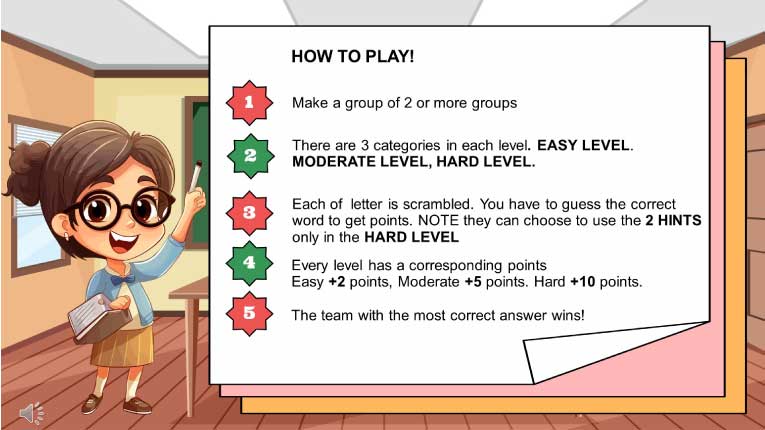
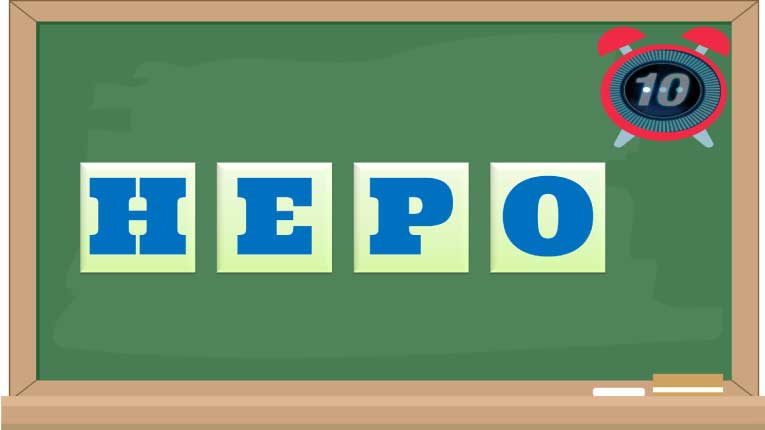
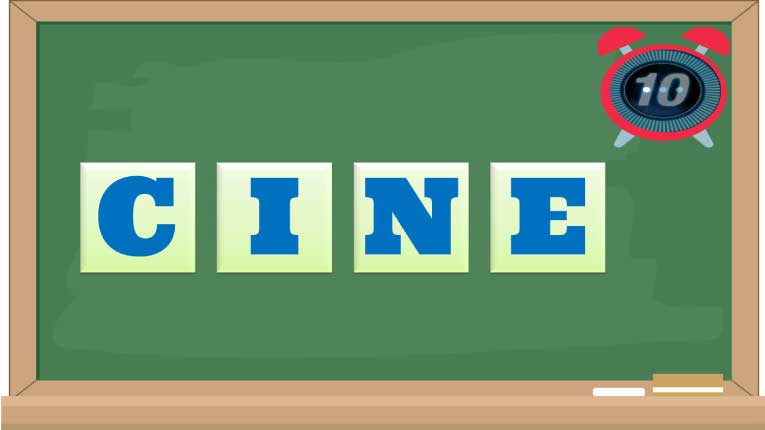
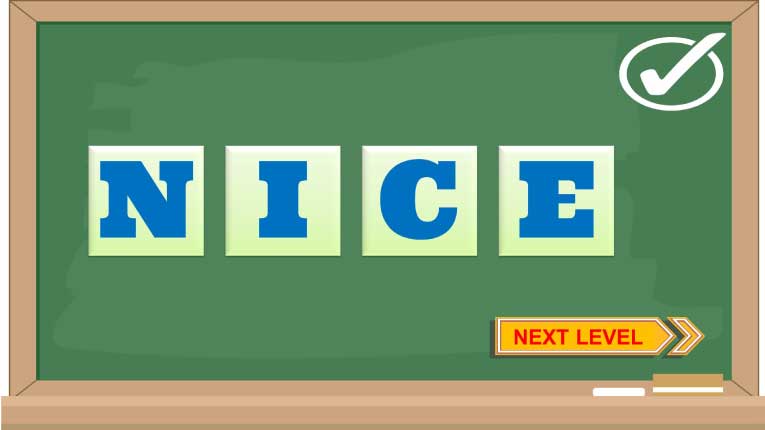
In this engaging word puzzle activity, children are presented with scrambled letters that they must rearrange to form meaningful words.
The activity is structured into multiple levels:
- Easy Level:
Children work with simple four-letter words like “LOVE,” “HOPE,” and “NICE.” The letters are shuffled (for example: V-O-L-E), and children must quickly identify the correct arrangement. - Moderate Level:
Words become longer and slightly more complex. Children are challenged to recognize patterns and reorganize letters into meaningful words such as “FASHION” or “EXCITED.” - Hard Level:
This level introduces longer and more challenging words. Children are given helpful hints, such as the first two letters, to guide their thinking. This encourages deeper problem-solving and persistence.
The activity can be played individually or in groups, with a scoring system that awards points based on difficulty. This adds a fun, competitive element that keeps children motivated and engaged.
Conclusion
Simple activities like word scramble games can make a big difference in your child’s learning journey. They don’t require special tools or complicated preparation just a willingness to play and explore language together.
By turning learning into a game, you help your child build confidence, develop essential skills, and most importantly, enjoy the process. Over time, these small, playful moments add up to strong literacy foundations that will support your child for years to come.