Table of contents
Helping children learn the alphabet is one of the most important early steps in building strong reading and writing skills. Before children can form words or understand sentences, they need to recognize letters, understand their shapes, and begin connecting them with sounds.
An engaging alphabet learning activity can make this process enjoyable and stress-free. Instead of memorization, children learn best through play, repetition, and visual interaction. Activities that present letters in different combinations encourage curiosity, problem-solving, and confidence.
The materials provided in this activity offer a playful and interactive way for children to explore letters, recognize patterns, and begin forming simple words all while developing essential early literacy skills.
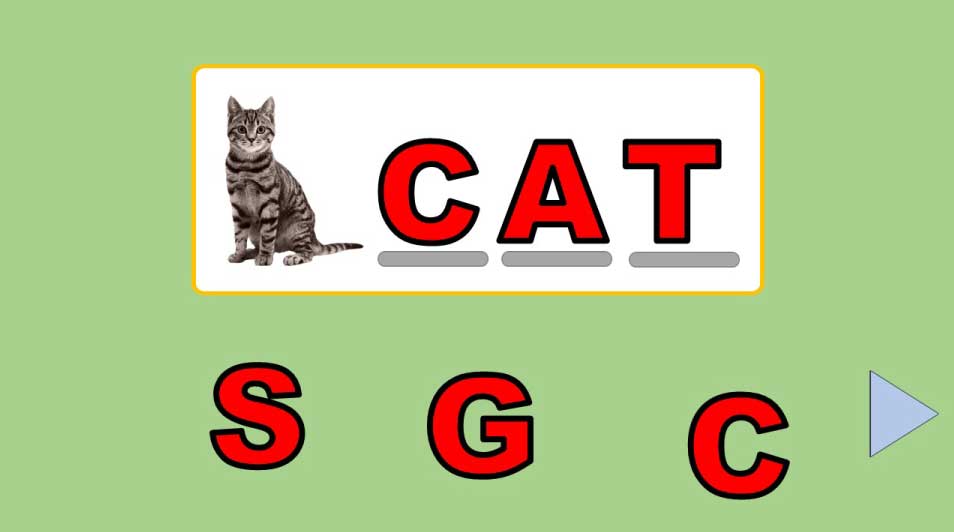
What This Activity Teaches Children
This alphabet learning activity supports multiple areas of early childhood development. While it may seem simple at first glance, it builds a strong foundation for future academic success.
1. Letter Recognition
Children become familiar with uppercase letters by seeing them repeatedly in different arrangements. Recognizing letters quickly is a key milestone in early reading development.
2. Visual Discrimination
By identifying specific letters among groups of other letters, children strengthen their ability to notice differences and similarities an important skill for reading and writing.
3. Early Word Awareness
Some combinations of letters form simple words (like three-letter patterns), helping children begin to understand that letters work together to create meaning.
4. Focus and Attention
Scanning groups of letters encourages concentration and attention to detail. These skills are essential not only for literacy but for overall learning.
5. Fine Motor Readiness (if writing is included)
If children are asked to circle, trace, or point to letters, they also develop hand control and coordination, preparing them for writing tasks.
6. Confidence in Learning
Completing small letter-based tasks helps children feel capable and motivated, building a positive attitude toward learning.
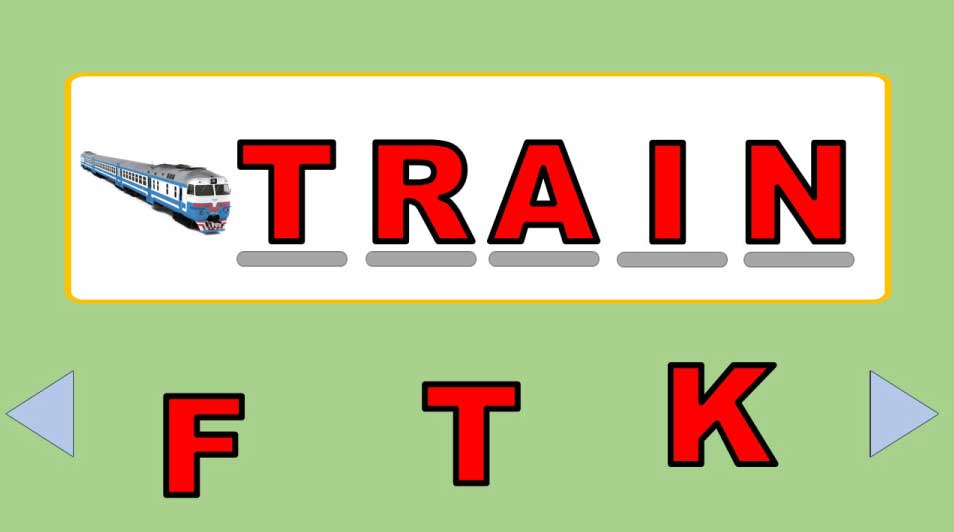
How Parents Can Use This Activity With Their Child
You don’t need complicated instructions to make this activity effective. A simple, supportive approach works best.
Step 1: Introduce the Letters
Start by pointing to individual letters and naming them out loud. Encourage your child to repeat after you.
Step 2: Explore Letter Groups
Show your child a group of mixed letters. Ask simple questions like:
- “Can you find the letter C?”
- “Where is the letter T?”
Step 3: Turn It Into a Game
Give your child a fun challenge:
- “Find all the A’s!”
- “Can you spot the letter that starts your name?”
Step 4: Practice Sounds
Once your child recognizes a letter, introduce its sound. For example:
- “C says /k/ like in cat.”
Step 5: Build Simple Words
When possible, point out letter combinations that form small words. Say the word together and emphasize each letter sound.
Step 6: Encourage Participation
Let your child point, circle, or even trace letters. Active participation improves memory and engagement.
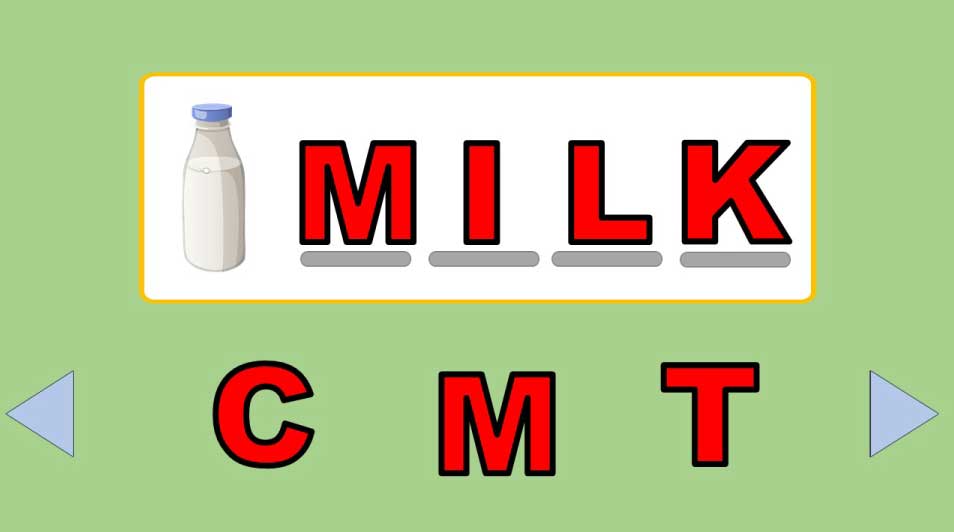
Tips to Make This Activity Fun
Children learn best when they’re enjoying themselves. Here are simple ways to keep the activity exciting:
Use a Playful Tone
Turn your voice into a game whisper letters, say them loudly, or sing them.
Add Movement
Ask your child to jump when they find a letter or clap when they recognize one. Movement reinforces learning.
Personalize the Activity
Focus on letters from your child’s name or favorite objects. This makes learning more meaningful.
Keep Sessions Short
Young children have short attention spans. 10–15 minutes is often enough for effective learning.
Celebrate Small Wins
Praise effort, not just correct answers. Simple encouragement like “Great job finding that letter!” goes a long way.
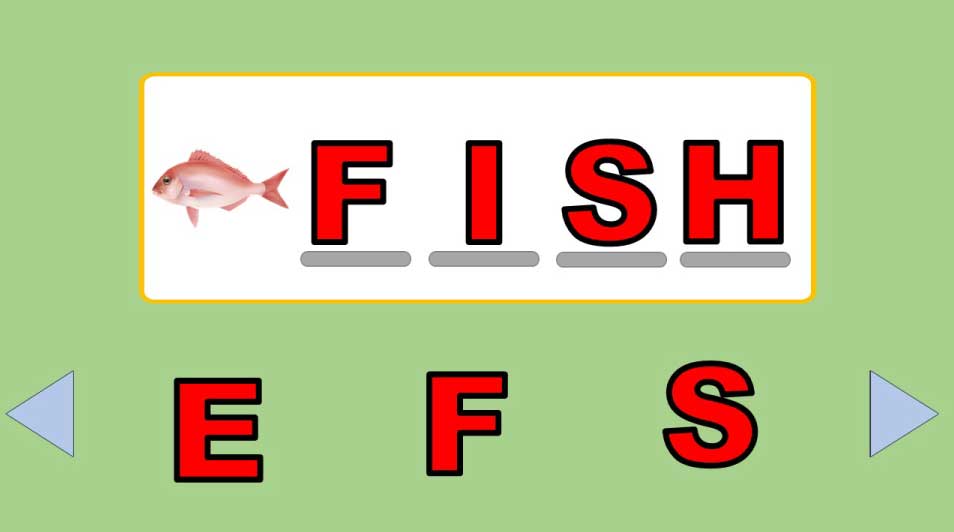
Activity Preview
In this activity, children are presented with groups of uppercase letters arranged in clusters. Some sections include recognizable patterns or simple word formations, while others mix various letters together.
Children are encouraged to:
- Identify specific letters within a group
- Recognize repeated letters
- Spot simple letter combinations
- Focus on visual patterns
The layout keeps children engaged by offering variety—some areas are sparse, while others are more complex. This balance helps children gradually build confidence as they move from easier to more challenging sections.
The use of bold, clear letters ensures that children can easily distinguish each character, making it ideal for beginners who are just starting their alphabet journey.
Easy Word Scramble Activities for Kids to Improve Spelling and Vocabulary – PowerPoint
Conclusion
Teaching your child the alphabet doesn’t have to be complicated. Simple, engaging activities like this one can make a meaningful difference in how children understand and enjoy learning.
By spending just a few minutes each day exploring letters together, you are helping your child build essential skills that will support reading, writing, and communication for years to come.
Remember, consistency and encouragement matter more than perfection. Every letter your child recognizes is a step forward and those small steps quickly add up to big progress.