Table of contents
Helping young children learn numbers is one of the most important early steps in building strong math skills. Before children can add or subtract, they need to understand what numbers mean and how they relate to real objects in the world. This is where number flashcards for kids become incredibly useful.
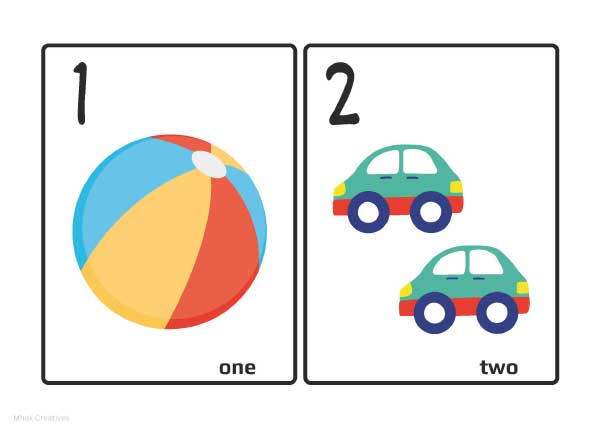
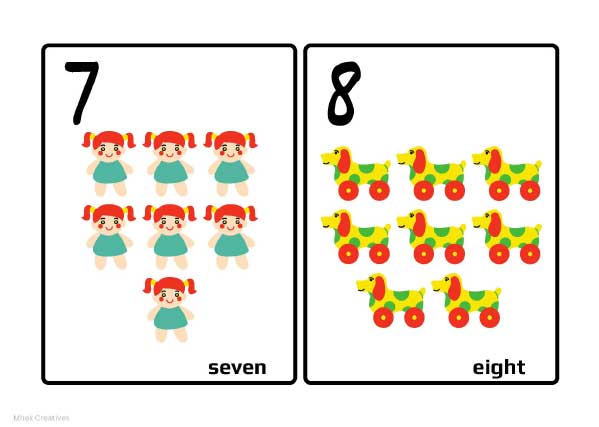
The learning materials presented here introduce numbers from 1 to 20 in a visually engaging and child-friendly way. Each number is paired with colorful illustrations that represent the quantity, making abstract concepts more concrete. For example, children don’t just see the number they see what it means.
These types of activities are especially helpful for preschoolers and kindergarten learners who are just beginning their math journey. With consistent use, children can build confidence, improve recognition, and develop a strong foundation for future learning.
What This Activity Teaches Children
Using counting flashcards like these supports multiple areas of early childhood development. While they may seem simple at first glance, they actually build several essential skills at once.
Number Recognition
Children learn to identify numbers both visually and verbally. Seeing the number “5” alongside the word “five” helps them connect symbols with language.
Counting Skills
Each card includes a matching number of objects. For example, a card may show eleven skateboards or fifteen pinwheels, helping children practice one-to-one correspondence—an essential early math skill.
Vocabulary Development
By pairing numbers with written words (like “three,” “ten,” or “sixteen”), children begin recognizing number names and improving early reading skills.
Visual Learning and Association
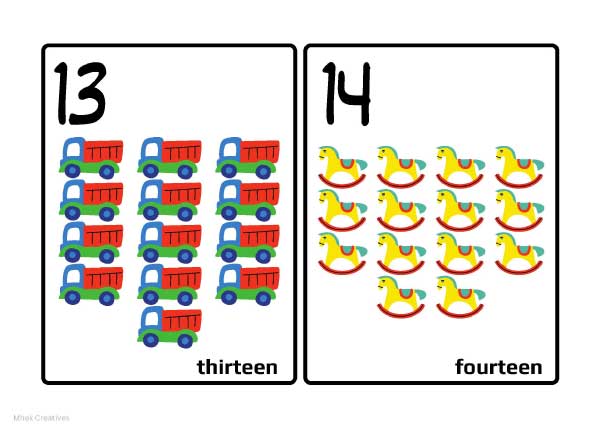
Bright, engaging images such as toy cars, boats, or rocking horses make learning memorable. Children associate numbers with fun visuals, which strengthens retention.
Focus and Memory
Flashcard activities encourage children to concentrate, recall information, and respond quickly, all of which support cognitive development.
How Parents Can Use This Activity With Their Child
Using number flashcards at home is simple and flexible. You don’t need a structured lesson plan—just a few minutes of focused interaction can make a big difference.
Step 1: Start with Small Groups
Begin with 3–5 cards at a time. For younger children, start with numbers 1–5 before gradually introducing higher numbers.
Step 2: Say and Repeat
Show a card and clearly say the number:
“This is seven. Can you say seven?”
Encourage your child to repeat after you.
Step 3: Count Together
Point to each object on the card and count aloud together. This reinforces the connection between numbers and quantity.
Step 4: Ask Simple Questions
Make it interactive:
- “How many do you see?”
- “Can you find the number 10?”
Step 5: Mix and Match
Shuffle the cards and ask your child to identify or sort them in order. This builds sequencing skills.
Tips to Make This Activity Fun
Children learn best when they are engaged and enjoying themselves. Here are some ways to keep the activity exciting:
Turn It Into a Game
Challenge your child to find a specific number quickly or match numbers to objects around the house.
Use Movement
Ask your child to jump, clap, or stomp the number shown on the card. For example, “Jump 5 times!”
Add Storytelling
Create little stories using the images. For example: “These 12 boats are going on an adventure!”
Celebrate Success
Offer praise and encouragement. Even small achievements help build confidence.
Keep Sessions Short
Young children have short attention spans. Aim for 5–10 minute sessions to keep learning effective and stress-free.
Activity Preview
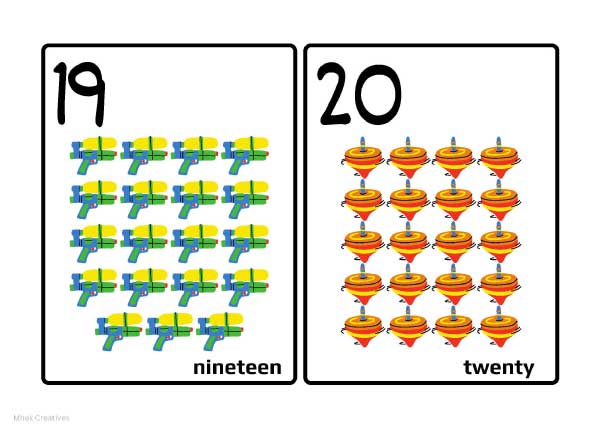
This activity features a series of number cards ranging from 1 to 20, each designed to help children visually and conceptually understand numbers. Every card includes three key elements: the numeral, the written word, and a set of colorful objects representing that number. For example, one card shows the number 11 alongside eleven skateboards, while another displays 14 with a group of rocking horses.
The visuals are bright, playful, and varied, keeping children interested as they move through the numbers. Objects such as toy trucks, pinwheels, and spinning tops are used to create a sense of familiarity and fun. This helps children stay engaged while learning to count and recognize numbers.
Skip Counting Worksheets for Kids: Easy and Fun Math Practice
What makes this activity especially effective is its simplicity. Children are not overwhelmed with instructions they simply observe, count, and interact. Over time, they begin to recognize patterns, understand quantity, and build confidence in their counting abilities. The progression from smaller to larger numbers (like 1 through 20) supports gradual learning and ensures that children can advance at their own pace.
Conclusion
Teaching children numbers doesn’t have to be complicated. With simple tools like number flashcards, parents can create meaningful learning moments every day. These activities help children connect numbers with real-world quantities, build confidence, and develop essential early math skills.
By spending just a few minutes each day exploring numbers together, you’re laying the foundation for your child’s future learning. Keep it playful, keep it consistent, and most importantly enjoy the process together.