Table of contents
Helping children develop strong handwriting skills is an important part of early education, and cursive writing offers a unique and engaging way to do just that. Many parents are surprised to learn that cursive can actually feel more natural for young learners because of its smooth, flowing movements.
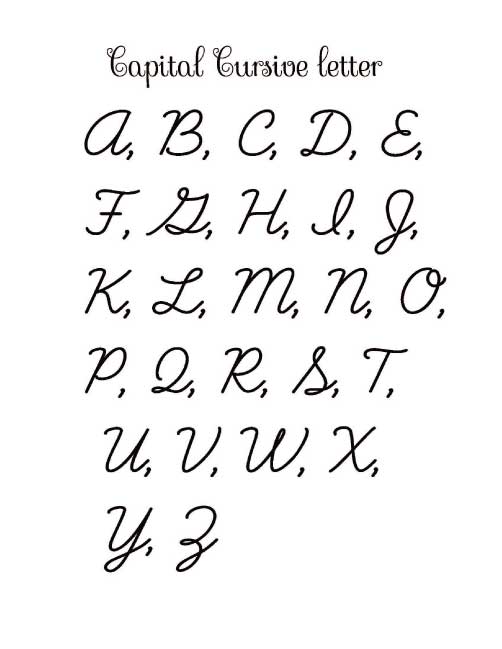
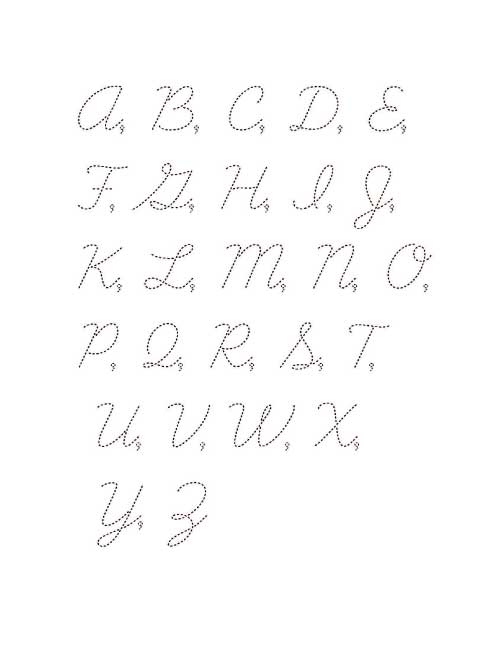
The learning materials presented here focus on guiding children step-by-step through the cursive alphabet, giving them repeated opportunities to practice each letter. These structured activities are designed to build confidence, strengthen hand muscles, and support early literacy development in a calm and enjoyable way.
What This Activity Teaches Children
Cursive handwriting practice is much more than just learning how to write letters differently. It supports several key areas of a child’s development:
Fine Motor Skills
The continuous strokes used in cursive writing help children develop better hand control. These flowing movements strengthen small muscles in the fingers and hands, making writing feel smoother over time.
Letter Recognition and Formation
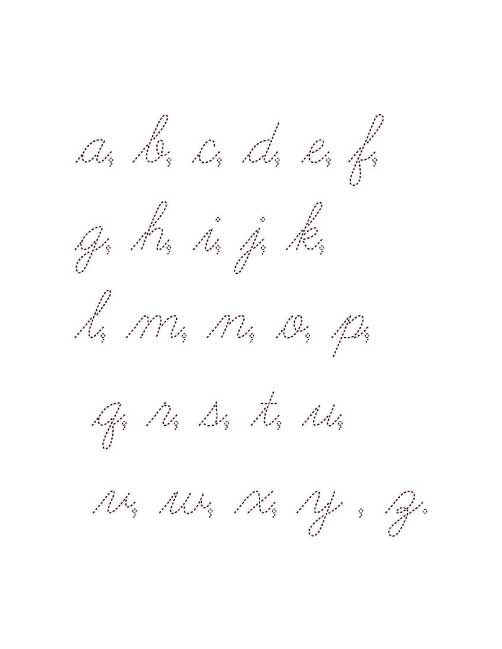
By focusing on both uppercase and lowercase cursive letters, children become more familiar with the alphabet in a new and engaging format. Repetition helps them internalize letter shapes.
Muscle Memory and Spelling
Because cursive connects letters within words, it reinforces memory patterns. Children begin to remember how words “flow,” which can support spelling and reading skills.
Focus and Patience
Practicing each letter multiple times encourages concentration. Children learn to slow down, follow patterns, and complete tasks carefully.
Creativity and Expression
Cursive writing has an artistic quality. Many children enjoy the curved, flowing lines because they resemble drawing, making the activity feel more creative than traditional print writing.
How Parents Can Use This Activity With Their Child
You don’t need a complicated plan to make cursive practice effective. A simple, consistent routine works best.
Step 1: Start with One Letter at a Time
Introduce a single letter—either uppercase or lowercase. Show your child how it looks and explain the basic strokes (curves and lines).
Step 2: Demonstrate the Movement
Before your child begins, model how to write the letter slowly. You can even trace it in the air or on a table with your finger.
Step 3: Practice Together
Sit beside your child and guide them through their first few attempts. Offer gentle corrections and encouragement.
Step 4: Encourage Repetition
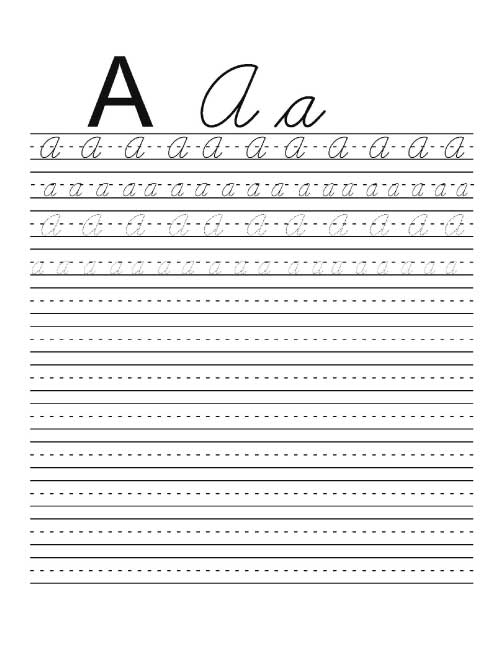
The activity provides rows of repeated letters, allowing children to practice consistently. Let them complete a few lines at a time rather than rushing through everything.
Step 5: Review and Celebrate
After finishing, look at their work together. Highlight improvements and effort rather than perfection.
Tips to Make This Activity Fun
Keeping children engaged is key to successful learning. Here are a few simple ways to make cursive practice enjoyable:
Use Colorful Tools
Let your child choose fun pencils, crayons, or markers. Writing becomes more exciting when they have creative control.
Turn Practice into a Game
Challenge your child to write the “smoothest” or “curviest” letter. You can even time short sessions to keep things lively.
Add Music or a Relaxed Atmosphere
Soft background music can make writing time feel calm and enjoyable rather than like a chore.
Keep Sessions Short
Young children benefit from brief, focused practice. Even 10–15 minutes a day can lead to noticeable progress.
Offer Positive Reinforcement
Celebrate effort with praise, stickers, or a simple “great job.” Confidence plays a huge role in learning.
Ways to Extend the Activity
Once your child becomes comfortable with individual letters, you can expand the learning experience in creative ways:
Combine Letters into Words
Encourage your child to connect letters to form simple words like their name or familiar objects.
Practice Writing Names
Children love writing their own name in cursive. It makes the activity feel personal and meaningful.
Create Short Sentences
As skills improve, guide your child to write short phrases or sentences using cursive.
Incorporate Drawing
Ask your child to decorate their letters or turn them into pictures. This blends creativity with handwriting practice.
Use Real-Life Applications
Have your child write greeting cards, labels, or notes in cursive. This shows them the practical value of what they’re learning.
+500 Fun Ice Breaker Questions for Kids to Build Confidence and Communication Skills
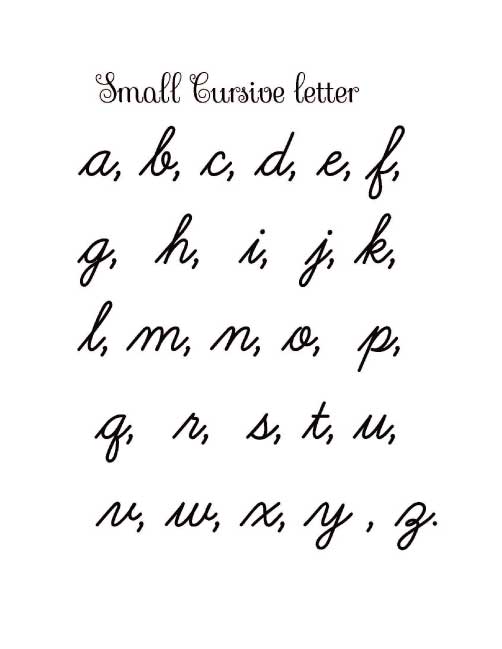
Activity Preview
This activity introduces children to the full cursive alphabet, including both uppercase and lowercase letters. Each section focuses on one letter at a time, providing multiple lines where children can practice repeating the same shape. The consistent layout helps children understand patterns and build familiarity with each letter’s unique structure.
Children begin by observing the letter, then gradually move into guided repetition. The design encourages them to follow smooth, continuous strokes rather than lifting their pencil frequently. Over time, this repetition helps develop confidence, improves handwriting consistency, and strengthens the connection between hand movement and letter formation.
Conclusion
Cursive handwriting practice is a gentle yet powerful way to support your child’s development. Through simple, repeated movements, children build confidence, improve coordination, and gain a deeper understanding of how letters and words work together.
With patience, encouragement, and a bit of creativity, this type of activity can become a meaningful part of your child’s daily routine one that supports both learning and self-expression in a lasting way.