Monday, March 2 2026 - Good Day!
باچي كيدز
  • Home
  • Arabic
    • Arabic Alphabet
    • Arabic letters with vowel sounds
    • Arabic letter shapes
    • Arabic Activity Sheets
    • Arabic Flashcards
    • Arabic Math
  • English
    • English Alphabet
    • English Worksheets
    • Flash cards
    • Developing childrens skills
    • Math
باچي كيدز
  • Activities
    • Coloring Pages
    • Stories For Kindergarten
    • Puzzles and Games
    • Educational PowerPoint
  • MoreLook
    • Free ebooks & Articles
  • العربية
Home Arabic Flashcards
Arabic Flashcards

Shapes in Arabic Language for Kids: Optimized Geometric Cards for Early Learners

09/30/2025 702 Views
Share: 0FacebookTwitterPinterestTumblrWhatsappTelegramCopy LinkEmail
702

Shapes in Arabic Language: The foundational years of education, particularly kindergarten, are crucial for developing basic cognitive skills. Among these skills is spatial reasoning and the recognition of fundamental geometric forms. Introducing these concepts through engaging and age-appropriate tools can significantly enhance a child’s learning experience. Geometric shapes learning cards are a highly effective, tactile, and visual resource for young learners.

Visualizing and Identifying Basic Shapes in Arabic Language

Geometric shapes learning cards provide kindergarteners with clear, isolated visual representations of fundamental forms like circles, squares, triangles, and rectangles. This focused presentation aids in visual identification without distractions. Each card should feature the shape, its corresponding English name, and crucially, its name in Arabic, such as مربع (square) or دائرة (circle). Repetitive exposure to these visually distinct cards helps children build a strong mental library of shapes. This multisensory approach, combining sight and language, solidifies the child’s understanding of each basic shapes in Arabic language and English, preparing them for more complex geometry later on.
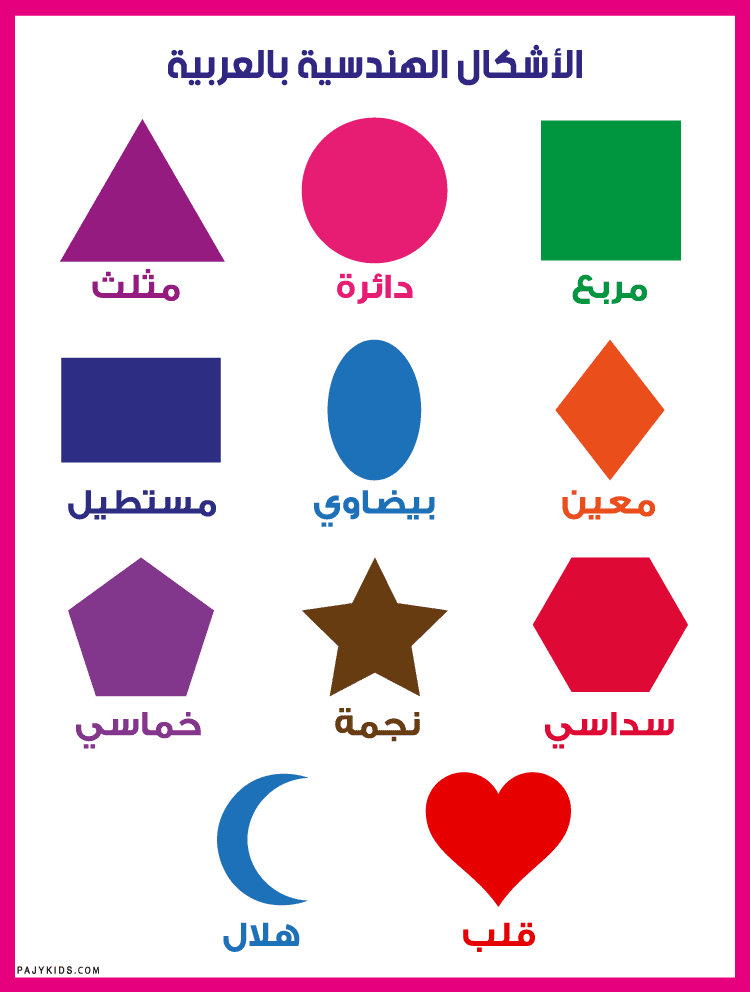
Visualizing and Identifying Basic Shapes in Arabic Language

Developing Early Vocabulary and Biliteracy

Integrating the names of shapes in Arabic language (أشكال هندسية) directly onto the learning cards fosters early biliteracy. For native Arabic speakers, it strengthens their mother tongue vocabulary in a relevant mathematical context. For non-native speakers, it offers a gentle, contextual introduction to new words like مثلث (triangle) or مستطيل (rectangle). This simultaneous learning of concepts and vocabulary makes the flashcards a dual-purpose tool, supporting language acquisition alongside mathematical concepts. By seeing and saying the name of the shapes in Arabic language, children build essential connections between the visual form and the linguistic label.
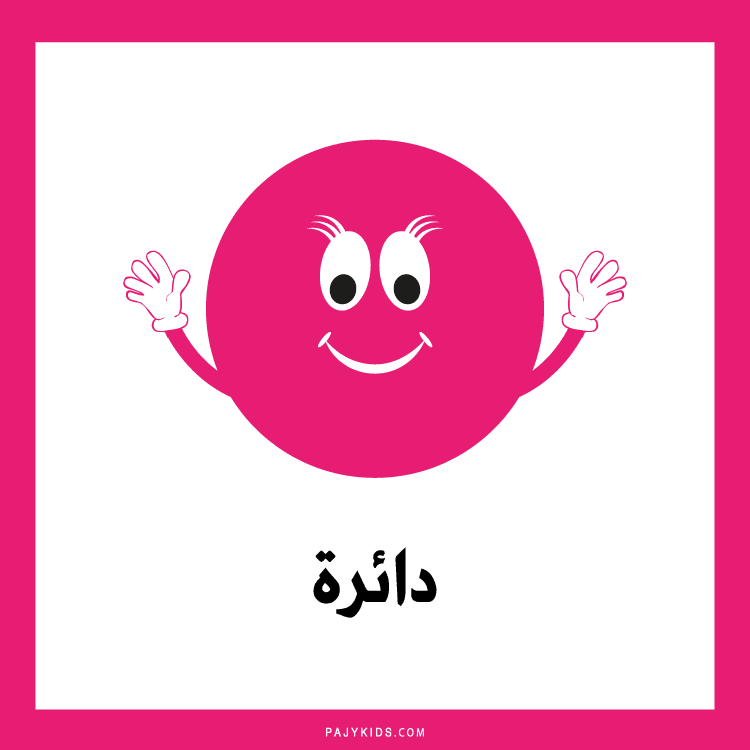
Shapes in Arabic Language: Developing Early Vocabulary and Biliteracy

Enhancing Memory Retention Through Repetition and Games

The flashcard format is ideal for educational games and structured repetition, both of which are critical for memory retention in young children. Kindergarten teachers and parents can utilize the cards for matching games, sorting activities, or quick recognition drills. Asking a child to quickly identify the shape in Arabic language or English on a randomly selected card turns learning into an interactive game. For instance, a game could involve saying “Find the نجمة (star),” prompting them to select the correct shape card. This active recall process, repeatedly associating the image with the name of the shapes in Arabic language, dramatically improves long-term memory.
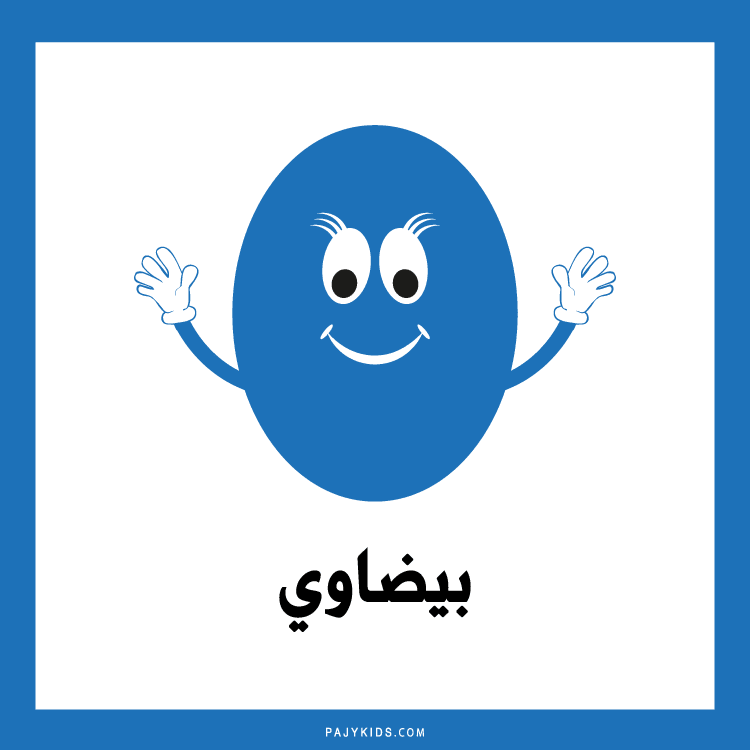
Shapes in Arabic Language: Enhancing Memory Retention Through Repetition and Games

Bridging Abstract Concepts to the Real World

To prevent geometry from becoming a purely abstract subject, the learning cards should ideally depict both the flat, pure geometric form and real-world examples of that Shapes in Arabic Language. A circle card, for example, could also show a picture of a coin or a ball, labeled as دائرة. This contextualization is vital for kindergarteners, who learn best when they can connect new information to their lived experiences. By pointing out how a window is a مربع (square) or a pizza slice is a مثلث (triangle), the flashcards transform the learning of the Shapes in Arabic Language from a theoretical exercise into an observable, practical skill.

Arabic Numbers 1 10: Learn to Count with Engaging Visuals
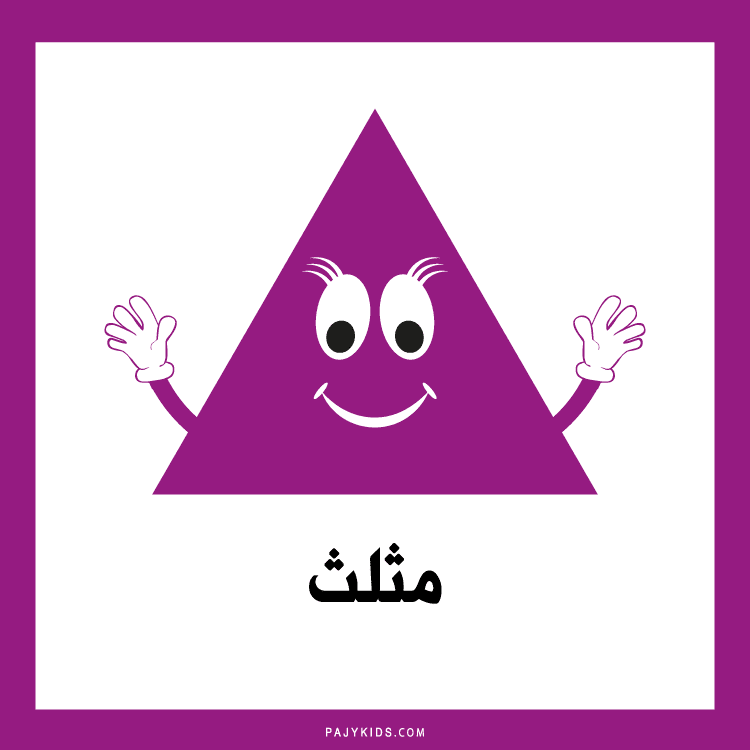
Shapes in Arabic Language: Bridging Abstract Concepts to the Real World
Download
Don't miss this
  • Engaging Arabic Number Flashcards from 1 to 10
  • Arabic numerals 1 to 10: Boost Early Math Skills through Visual Learning
  • Learn Shapes in Arabic with Colorful Posters
  • Arabic Letters for Beginners: Flashcards for Kindergarten
Arabic Shapes
Share: 0 FacebookTwitterPinterestTumblrWhatsappTelegramCopy LinkEmail
Previous
Arabic Letter Chart: Kindergarten Alphabet Flashcards
Next
Shapes for Kindergarten: Educational Flashcards to Boost Spatial Reasoning Skills

Don't miss this

Arabic counting Flashcards and Early Childhood Development

08/18/2025

Arabic Shapes Flashcards for Preschool Kids

04/27/2025

Learn Arabic Adverbial of Place with Fun Flashcards

05/13/2025

Creative Arabic Alphabet flashcards for Preschoolers

04/16/2025

10 Jungle Animals Flashcards in Arabic for Preschoolers

05/12/2025

Learn Shapes in Arabic with Colorful Posters

04/30/2025

Forest Animals Flashcards in Arabic for Preschoolers

05/06/2025

Arabic Body Parts Flashcards: A Visual Learning Tool for Kids

04/19/2025

Arabic Abjad Posters for Preschool Classrooms

05/06/2025

Engaging Arabic Number Flashcards from 1 to 10

05/13/2025

Follow us

Youtube Facebook Twitter Instagram Pinterest Email

Popular Posts

  • 1

    The Arabic Letter Ṣād (ص) and Its Forms...

    07/14/2025 4.7K Views
  • 2

    Alif Alphabet Arabic Worksheets for Short Vowel Learning

    06/12/2025 2.7K Views
  • 3

    The Arabic Letter Seen (س): Forms and Positions...

    07/14/2025 2.6K Views
  • 4

    Teaching Children the yaa arabic letter Through Creative...

    06/01/2025 2.5K Views
  • 5

    Arabic Alphabet Noon Activities: Recognize, Write, and Color

    06/01/2025 2.4K Views

Categories

  • Arabic Activity Sheets (46)
  • Arabic Alphabet (28)
  • Arabic Flashcards (26)
  • Arabic letter shapes (28)
  • Arabic letters with vowel sounds (28)
  • Arabic Math (16)
  • Arabic Names worksheets (22)
  • Articles & Books (16)
  • Coloring Pages (27)
  • Developing childrens skills (22)
  • English Alphabet (55)
  • English Letters activities (26)
  • English Worksheets (40)
  • Flash cards (42)
  • Kindergarten Poems (17)
  • Math (35)
  • PowerPoint for Teachers (21)
  • Puzzles and Games (12)
  • Stories For Kindergarten (33)
  • Word Search (11)

Our educational channel

1 Thumbnail youtube تعليم الحروف العربية لأطفال الروضة - بوربوينت للاطفال 05:01 2 Thumbnail youtube لوحة الحروف الابجدية العربية للروضة - بوربوينت اطفال تفاعلي 01:35 3 Thumbnail youtube حروف اللغة العربية للاطفال تمارين الصوت الأول والأخير للكلمة -... 07:55 4 Thumbnail youtube تعلم الحروف الانجليزية الكبيرة والصغيرة لمرحلة رياض الأطفال والمبتدئين 03:48 5 Thumbnail youtube تعليم الأرقام باللغة العربية من 1 الى 10 - Learning... 03:42 6 Thumbnail youtube تدريبات الارقام بالانجليزي للاطفال | Numbers Exercises From 1 to... 05:39
  • Youtube
  • Facebook
  • Twitter
  • Pinterest
  • About Us
  • Contact
  • Terms of use
  • FAQs
  • Privacy Policy

All Rights Reserved - Pajy Kids - © 2025

باچي كيدز
  • Home
  • Arabic
    • Arabic Alphabet
    • Arabic letters with vowel sounds
    • Arabic letter shapes
    • Arabic Activity Sheets
    • Arabic Flashcards
    • Arabic Math
  • English
    • English Alphabet
    • English Worksheets
    • Flash cards
    • Developing childrens skills
    • Math
باچي كيدز
  • Activities
    • Coloring Pages
    • Stories For Kindergarten
    • Puzzles and Games
    • Educational PowerPoint
  • MoreLook
    • Free ebooks & Articles
  • العربية