Table of contents
Early childhood education places strong emphasis on building foundational literacy skills, and writing readiness is a central part of that process. In kindergarten, children are developmentally prepared to recognize letter shapes, control writing tools, and begin forming letters independently. Well-designed letter tracing worksheets play a critical role in supporting these skills by offering structured, age-appropriate practice that helps children transition from recognition to confident letter writing.
How Letter Tracing Worksheets Support Early Writing Skills
Letter tracing worksheets are more than simple handwriting activities; they are a bridge between motor development and language learning. By tracing guided letter forms, children strengthen fine motor coordination, improve hand–eye alignment, and learn correct stroke order. This combination reduces frustration and builds confidence, allowing young learners to focus on accuracy and consistency rather than struggling with letter formation.
Learning Capital and Small Letters Together
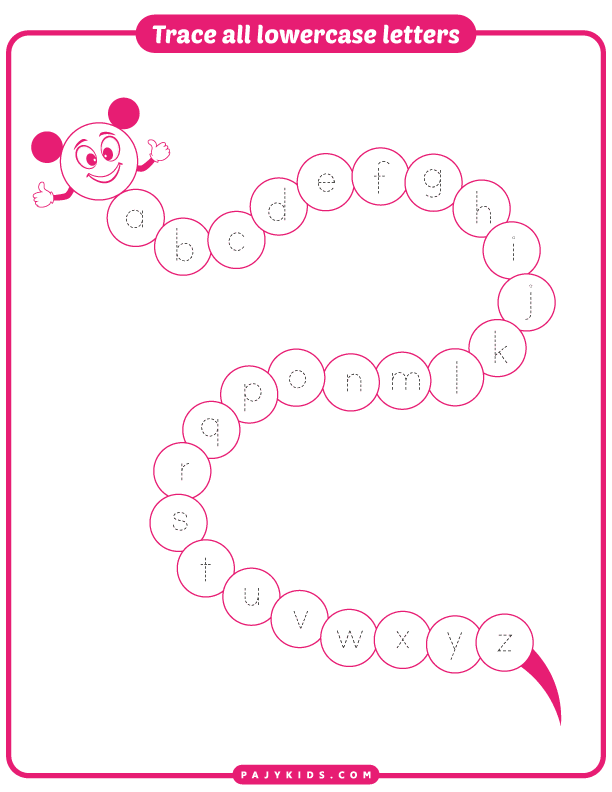
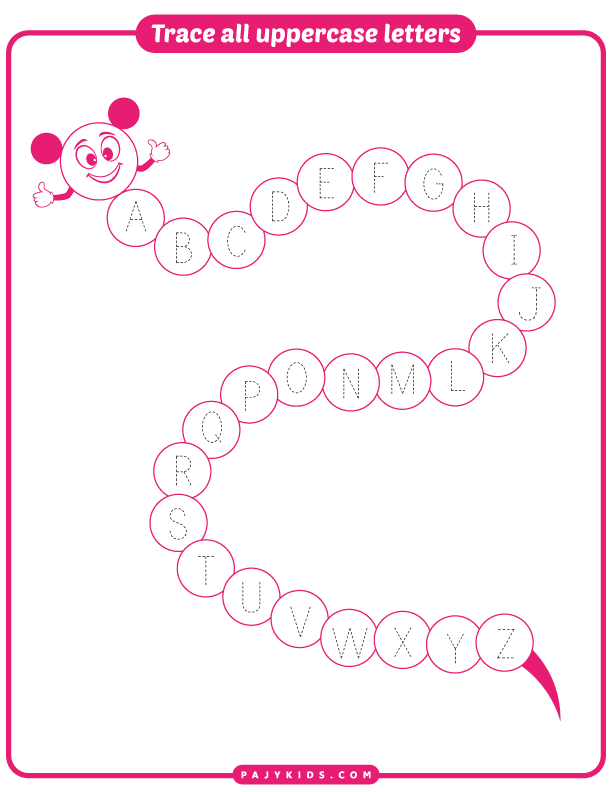
Introducing capital and small letters at the same time helps children develop a clearer understanding of how letters function in written language. When worksheets present both forms side by side, children naturally learn to distinguish their shapes and usage. This approach supports early reading readiness, as children encounter both uppercase and lowercase letters in books, labels, and classroom materials from the very beginning.
Choosing Effective Letter Tracing Worksheets for Kindergarten
High-quality letter tracing worksheets designed for kindergarten share several important characteristics. They use clear fonts, appropriate letter sizing, and ample spacing to suit small hands. Many also include directional arrows or dotted guides that teach correct stroke patterns. When these elements are combined with a logical progression from simple to more complex tasks, children can build skills gradually without feeling overwhelmed.
Making Practice Engaging and Developmentally Appropriate
Young learners benefit most when writing activities feel enjoyable rather than repetitive. Worksheets that incorporate visual balance, simple illustrations, or themed layouts help maintain attention and motivation. Thoughtfully designed letter tracing worksheets encourage repeated practice while still feeling fresh, which is essential for reinforcing muscle memory and long-term retention of letter shapes.
Supporting Teachers and Parents in Guided Practice
For both teachers and parents, worksheets provide a practical tool for monitoring progress and identifying areas that need reinforcement. Regular use of letter tracing worksheets allows adults to observe pencil grip, stroke direction, and letter consistency, making it easier to offer targeted support. This guided feedback ensures that children develop correct habits early, before errors become difficult to correct.
Free Alphabet Tracing Pages for Kids: Fun Printable Worksheets to Learn ABCs!
Building strong handwriting skills in kindergarten sets the stage for future academic success. By using letter tracing worksheets that thoughtfully introduce capital and small letters, educators and parents can support children in developing coordination, confidence, and early literacy skills. When used consistently and appropriately, these worksheets become an essential resource in helping young learners master letter writing in a structured and engaging way.