Table of contents
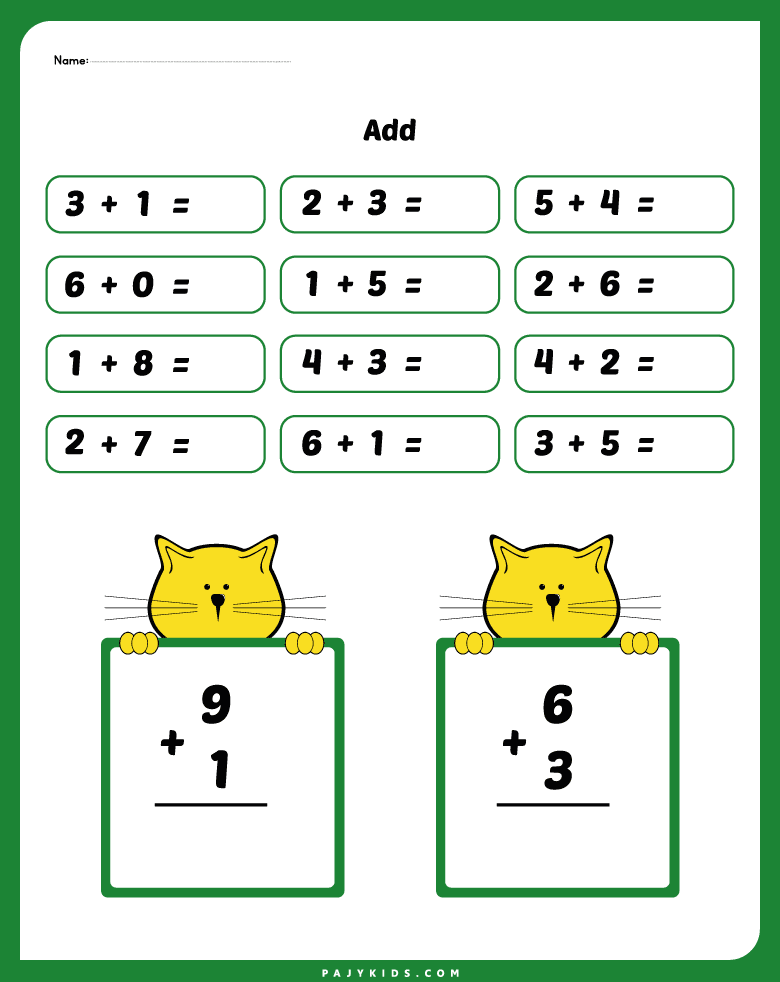
Early math success depends on clear, gradual instruction that builds confidence from the start. An addition worksheet designed for beginner problems from 1–20 helps young learners understand how numbers combine in a simple, visual way. When activities are age-appropriate and well-structured, children develop number sense while enjoying steady progress.
Why Start Addition with Numbers 1–20
Beginning with small numbers allows children to focus on understanding the concept rather than memorizing answers. Working within 1–20 supports one-to-one correspondence, counting accuracy, and recognition of basic sums. This range is ideal for reinforcing foundational skills without overwhelming learners.
Addition Worksheet Design for Conceptual Understanding
An effective addition worksheet emphasizes meaning over speed. Visual supports—such as pictures, counters, and number lines—show how two groups come together to form a total. This approach helps children grasp why an answer is correct, building a stronger mental model of addition.
Visual and Hands-On Strategies That Work
Children learn best when they can see and manipulate quantities. Pairing worksheets with hands-on tools like blocks or beads turns abstract problems into concrete experiences. These strategies keep learners engaged and make it easier to transfer understanding from objects to written problems.
Math for Preschool: 100-Day Multiplication Practice Plan
Building Fine Motor Skills Alongside Math
Completing worksheets also supports physical development. Tracing numbers, drawing lines, and writing totals improve pencil control and hand–eye coordination. Regular practice strengthens the fine motor skills needed for writing and classroom independence, while reinforcing early math concepts.
Addition Worksheet Progression for Confidence
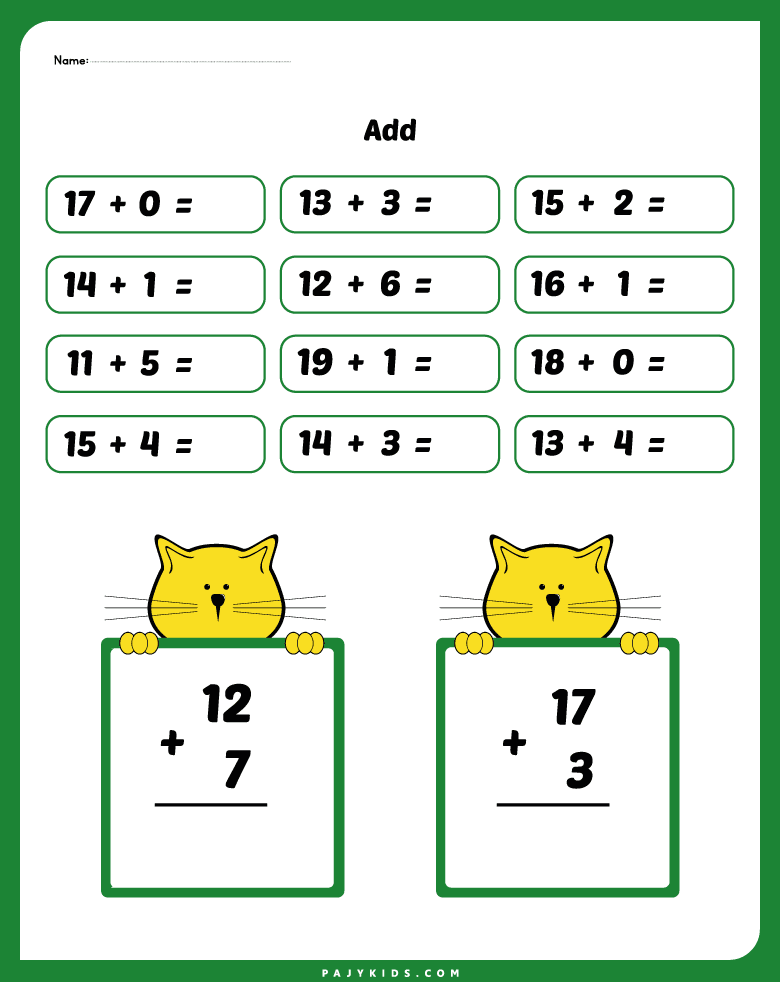
A gradual increase in difficulty is essential. Start with sums that rely on pictures and prompts, then reduce supports as confidence grows. This progression ensures success at each stage and keeps motivation high, helping learners approach new challenges positively.
Beginner addition problems from 1–20 provide the perfect entry point into early arithmetic. When thoughtfully designed, an addition worksheet builds number sense, fine motor control, and confidence through clear visuals and steady progression. These early experiences lay a solid foundation for future math learning.
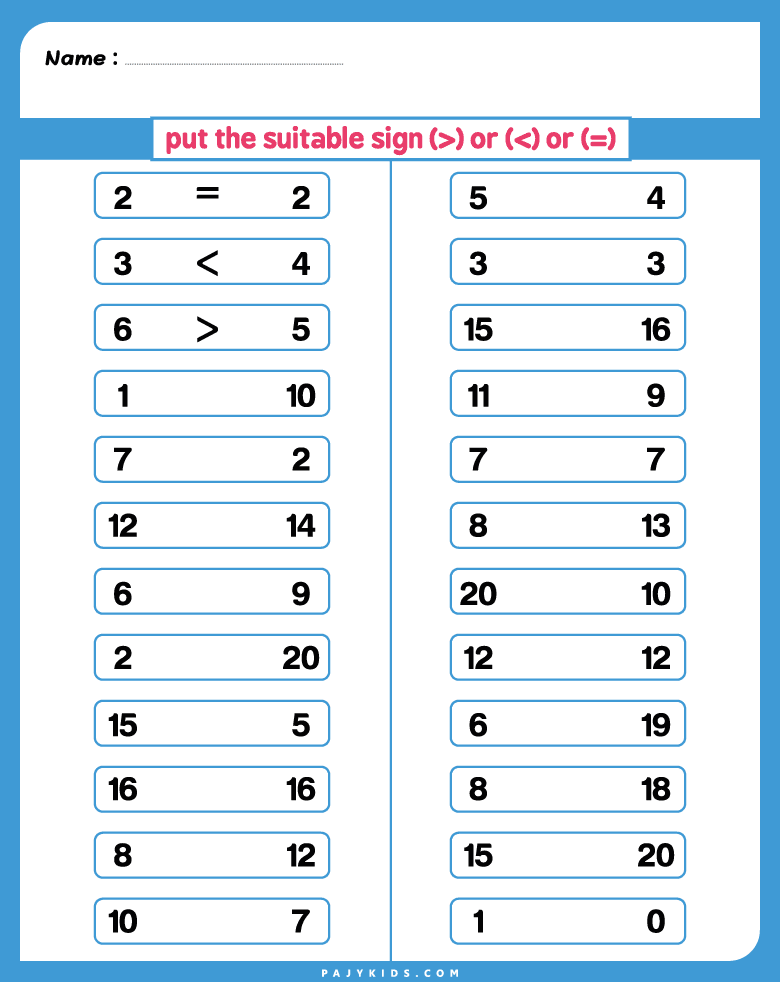
Here is also a worksheet for greater than, less than, and equal to kindergarten.
You can download it.