Table of contents
Early math success begins with simple, engaging experiences that help children understand numbers in meaningful ways. learning numbers for kindergarten through matching and counting activities allows young learners to explore numbers visually and practically. These activities support number recognition, build confidence, and encourage active participation during the crucial early years of learning.
Why Matching and Counting Are Essential in Early Math
Matching and counting form the foundation of number sense. When children match numbers to quantities or symbols, they begin to understand that numbers represent real amounts. Counting activities further reinforce this idea by helping children recognize order, sequence, and quantity. Together, these skills prepare children for more advanced math concepts in later stages.
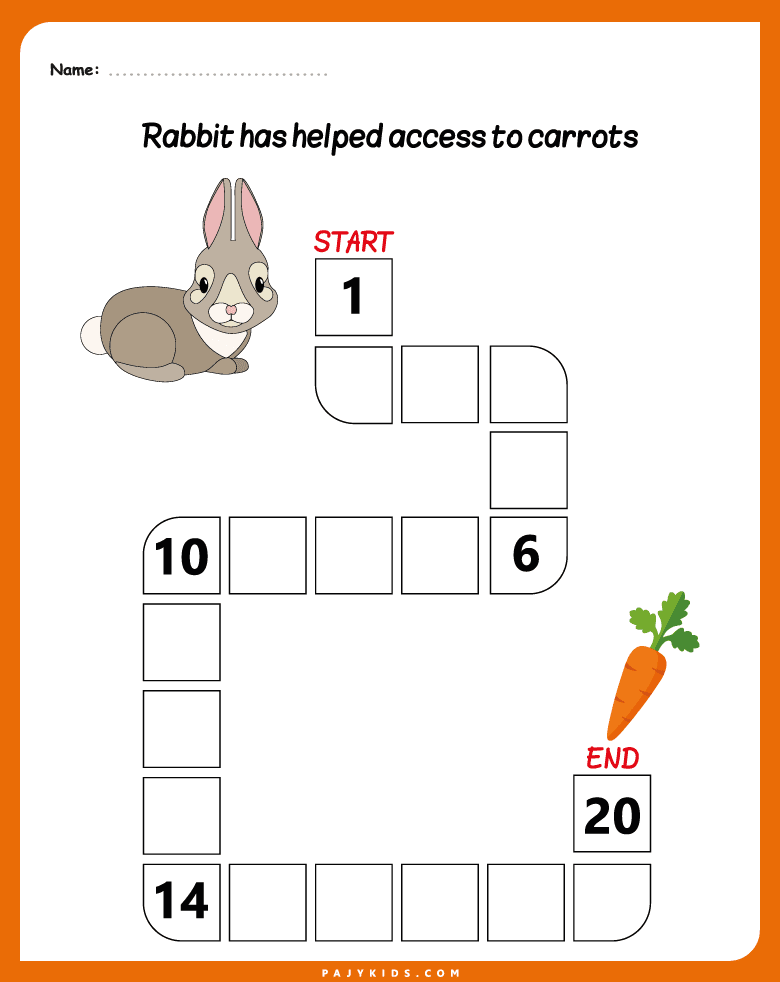
Learning Numbers for Kindergarten Through Matching Activities
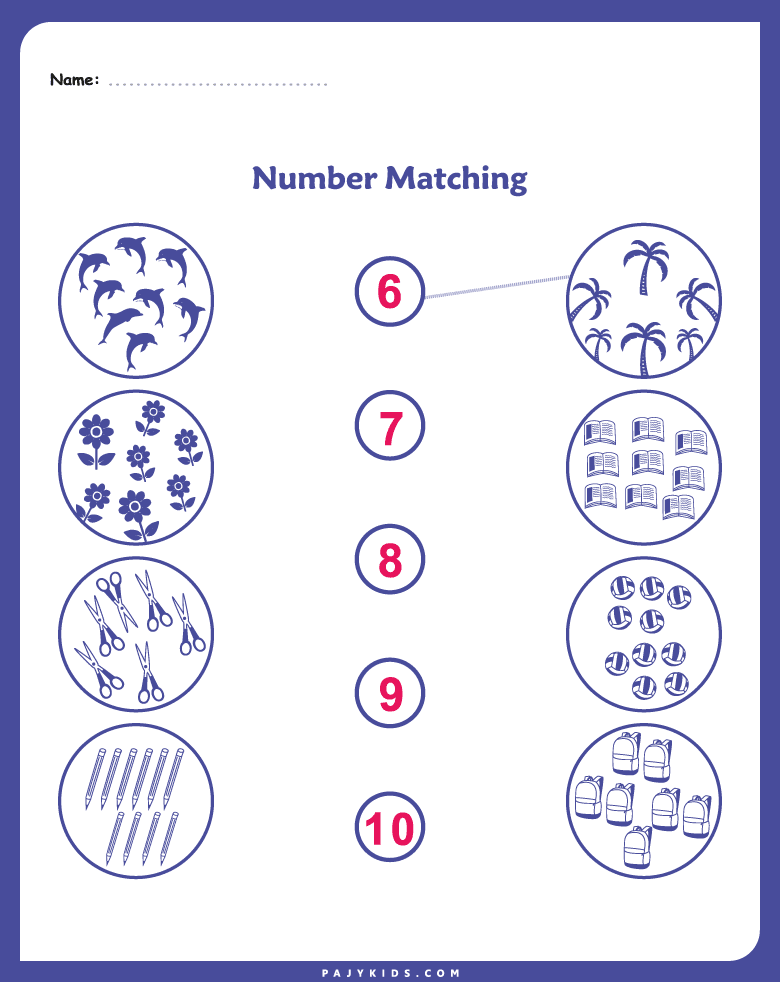
Matching activities help children connect numbers with objects, pictures, or written forms. In learning numbers for kindergarten, this approach strengthens visual discrimination and memory. By identifying similarities and making correct connections, children develop focus and early problem-solving skills while learning in a playful, low-pressure environment.
Counting Activities That Build Strong Number Sense
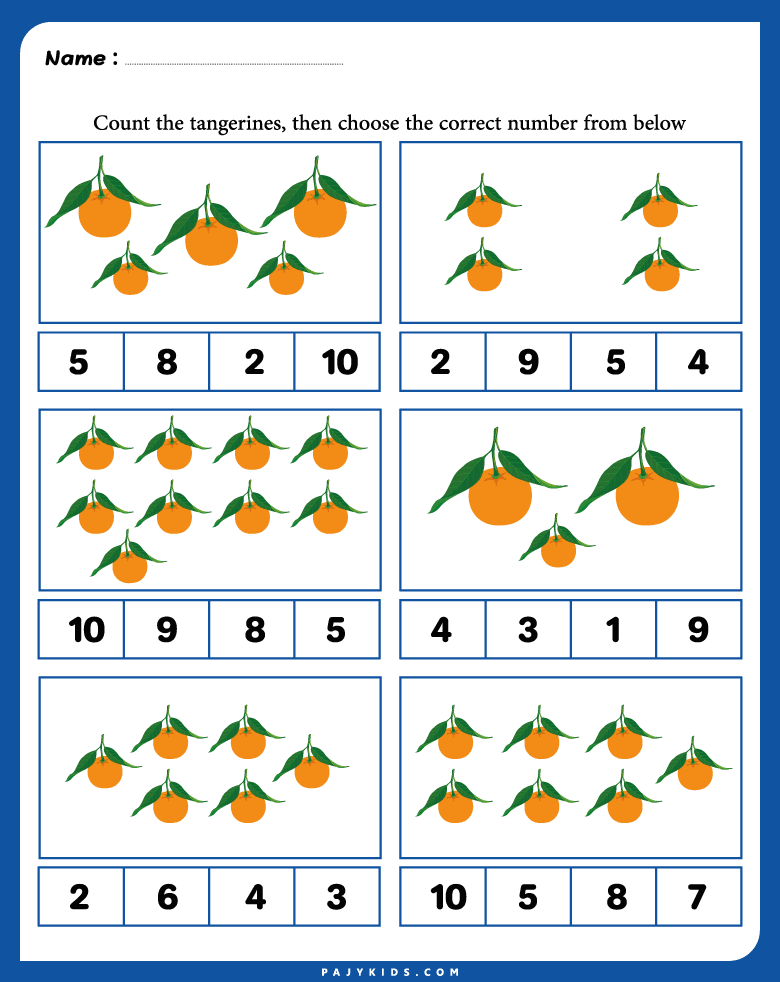
Counting exercises encourage children to move beyond recognition and into understanding quantity. Whether counting objects, pictures, or movements, children learn that numbers follow a consistent sequence. These activities support one-to-one correspondence and help children see how numbers increase, which is essential for future math learning.
Combining Visual and Hands-On Learning
Young learners benefit most when they can see and touch what they are learning. Using counters, cards, or everyday objects makes abstract ideas concrete. Through hands-on practice, learning numbers for kindergarten becomes more engaging and memorable, allowing children to explore numbers actively rather than passively.
Math for Preschool: 100-Day Multiplication Practice Plan
Supporting Fine Motor and Cognitive Development
Many matching and counting activities involve drawing lines, circling answers, or placing objects carefully. These tasks strengthen fine motor skills, hand–eye coordination, and concentration. At the same time, children practice thinking skills such as sequencing, attention, and memory, creating balanced cognitive development.
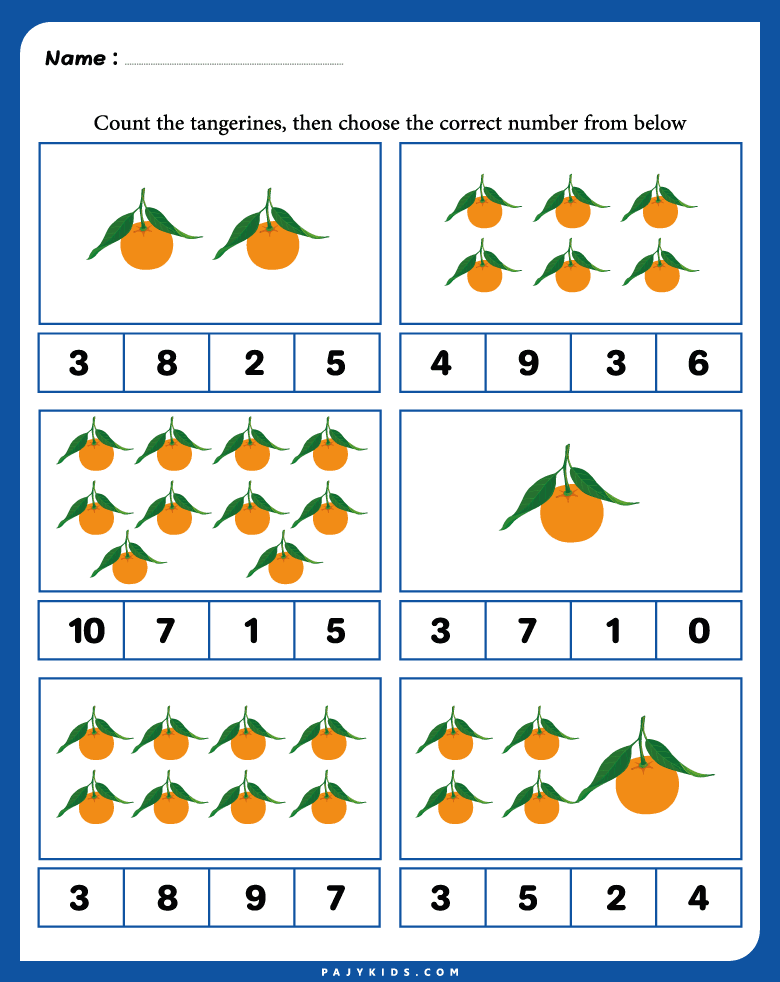
Matching and counting activities are powerful tools in early childhood education. When thoughtfully designed, learning numbers for kindergarten becomes an enjoyable and effective process that builds number awareness, confidence, and essential thinking skills. These early experiences create a strong foundation for future math success and foster a positive attitude toward learning from the very beginning.