Table of contents
Early math learning sets the tone for a child’s relationship with numbers, and introducing addition in kindergarten should be simple, clear, and confidence-building. At this stage, children are just beginning to understand quantities and relationships between numbers. Well-designed exercises help transform abstract ideas into concrete experiences, making learning enjoyable rather than overwhelming.
Understanding the Concept of Combining Quantities
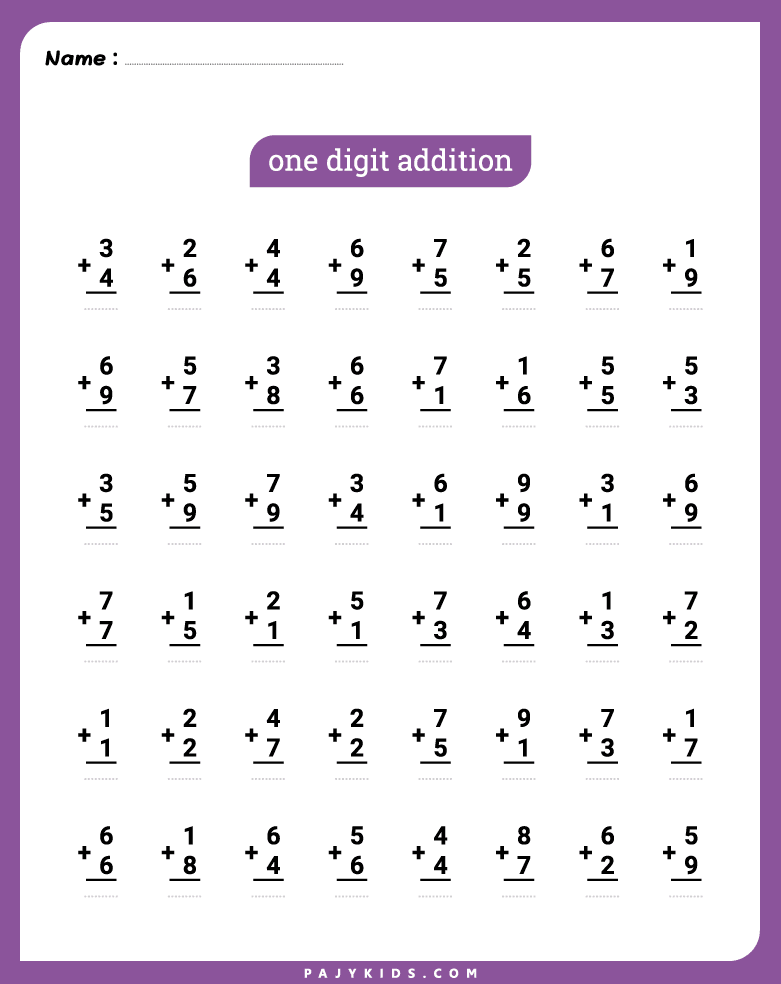
Before children solve equations, they need to understand what it means to put groups together. Practical activities such as counting objects, grouping toys, or using pictures allow children to see how quantities increase. This conceptual approach ensures that learners grasp the meaning behind addition, rather than memorizing answers without understanding.
Using Visual and Hands-On Learning Methods
Visual aids play a crucial role in kindergarten math. Pictures, number lines, counters, and blocks help children connect numbers with real objects. Hands-on activities encourage exploration and curiosity, allowing children to test ideas and self-correct. These methods make early addition practice more engaging and easier to remember.
Building Fine Motor and Cognitive Skills Together
Many beginner exercises involve drawing, circling, or matching, which strengthens fine motor skills alongside math understanding. Holding a pencil, tracing numbers, and marking answers all support hand–eye coordination. At the same time, children practice focus, sequencing, and logical thinking through simple addition tasks.
Fractions for Kindergarten: Mastering Basic Concepts with Visuals
Gradual Progression for Confidence and Mastery
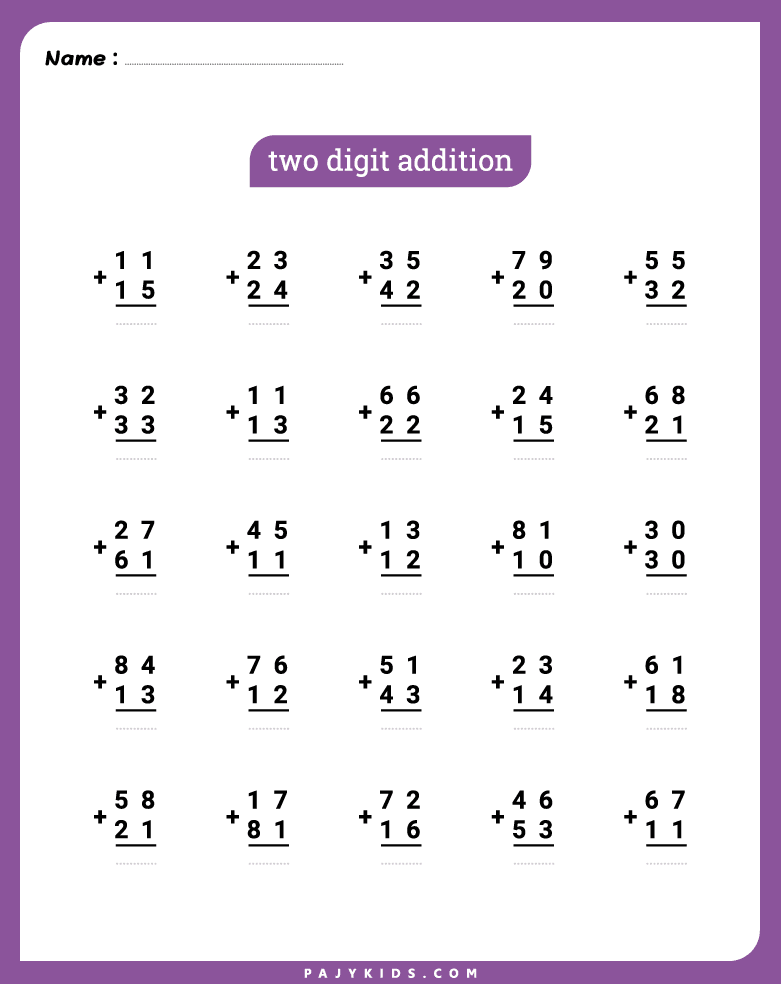
Successful learning depends on starting small and progressing steadily. Exercises should begin with very small numbers and familiar contexts, then slowly increase in difficulty. This gradual approach helps children experience success early, reducing frustration and building confidence as they practice addition regularly.
Reinforcing Learning at School and Home
Consistency is essential for young learners. Teachers can introduce concepts through guided classroom activities, while parents reinforce them at home with everyday examples like counting snacks or toys. When children encounter addition in different settings, understanding becomes deeper and more lasting.
Effective kindergarten math instruction focuses on clarity, engagement, and gradual progress. When introduced thoughtfully, addition becomes an accessible and enjoyable skill rather than a challenge. Through hands-on activities, visual support, and consistent practice, children build strong foundations that prepare them for future math success with confidence and curiosity.