Table of contents
Early literacy development depends heavily on consistent, hands-on practice that helps children recognize letters, understand sounds, and build writing confidence. A well-structured letter o worksheet provides young learners with clear guidance and engaging activities that support these goals. By combining visual recognition, tracing, and creative tasks, printable worksheets make letter instruction both effective and enjoyable for preschool and kindergarten students.
Letter o Card Activity for Sound and Word Recognition
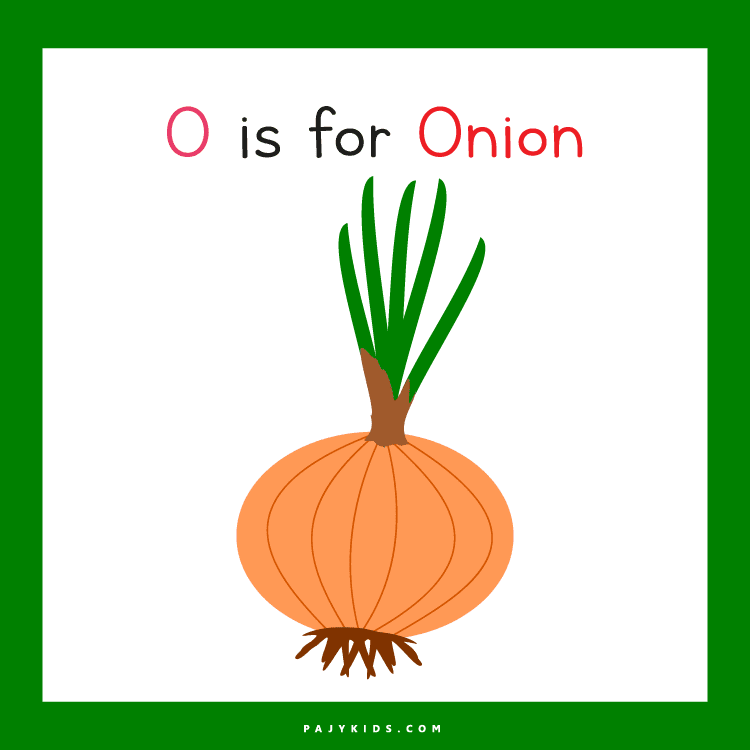
The learning process begins with a letter card that introduces the letter alongside a familiar word that starts with it. This activity strengthens phonemic awareness by helping children connect the letter shape to its sound within a real-word context. Using a letter o worksheet card supports early vocabulary development while reinforcing recognition of both capital and lowercase forms. Visual cues such as illustrations further enhance memory retention and make the learning experience more engaging, whether used in the classroom or at home.
Letter o Writing Worksheet for Capital and Lowercase Practice
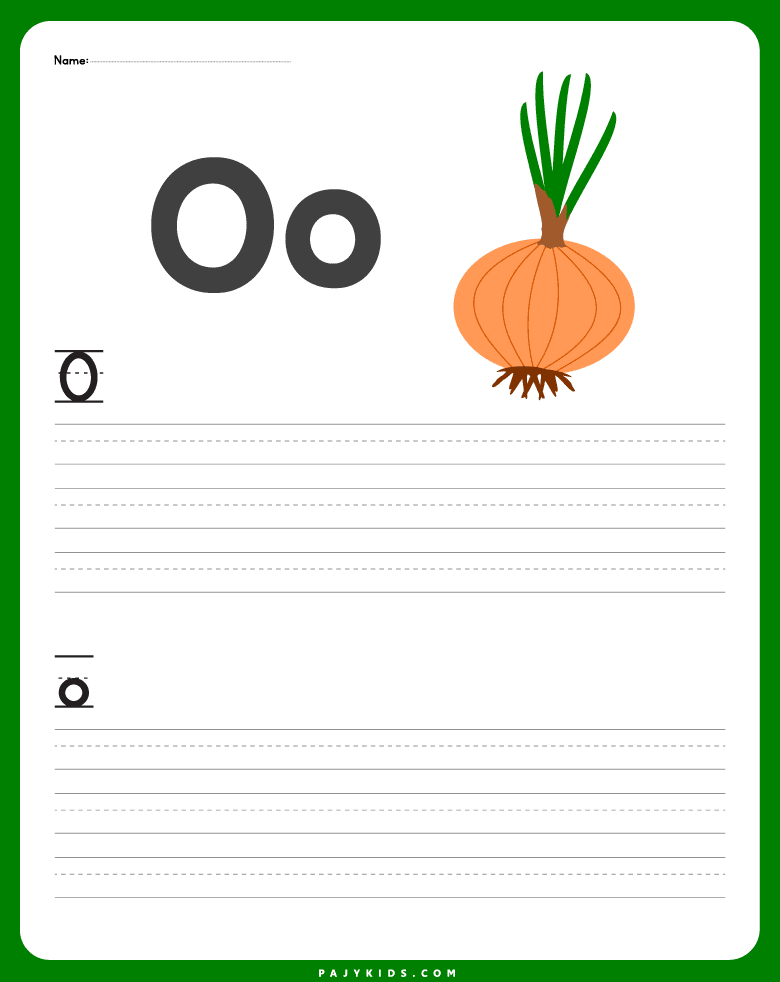
Writing practice is essential for developing fine motor skills and proper letter formation. A structured letter o worksheet focused on tracing and independent writing allows children to progress gradually from guided lines to freehand practice. Repetition within a clear layout helps build muscle memory and improves hand–eye coordination. Including both uppercase and lowercase letters ensures balanced exposure and prepares learners to recognize and write the letter confidently in different reading and writing contexts.
Letter o Coloring Activity to Reinforce Writing Skills
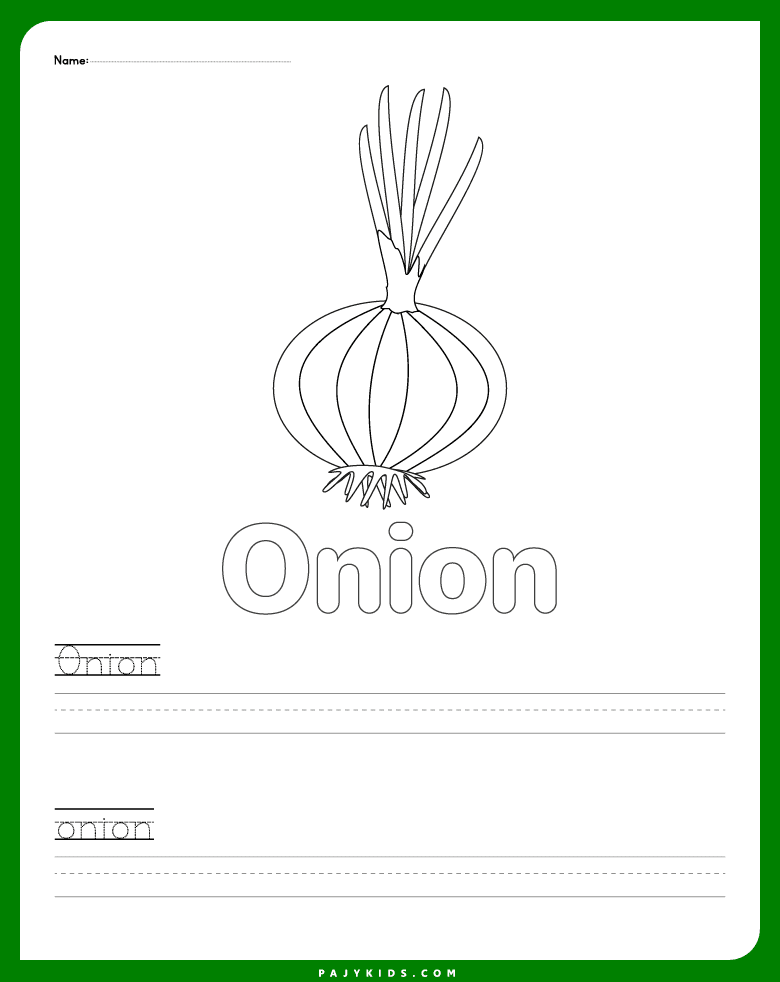
Coloring activities add an element of creativity while reinforcing academic skills. In this activity, children color the letter in both forms alongside a drawing that begins with the same sound. A thoughtfully designed letter o worksheet also includes space for writing the full word, encouraging children to practice letter formation within a meaningful context. This combination of coloring and writing supports focus, reinforces sound-letter connections, and keeps learners motivated throughout the activity.
D is for Dog: Kindergarten Letter Activities.
Printable worksheets that integrate recognition, writing, and coloring provide a well-rounded approach to early letter instruction. These activities help children develop strong foundational skills while enjoying the learning process.