Table of contents
A set of 20 printable pages designed for teaching colors provides an enjoyable and effective way for children to learn and recognize color names. These pages include color matching games that develop visual skills, early vocabulary, and attention to detail. Whether used in the classroom, at home, or in early learning programs, this resource makes teaching simple, hands-on, and engaging. Each activity is structured to help children identify, match, and remember colors while having fun.
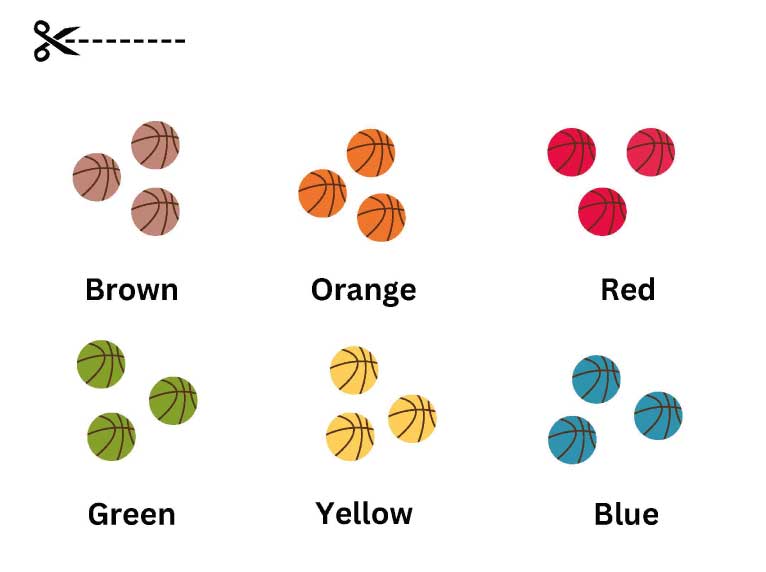
Teaching Colors Through Engaging Matching Games
Matching activities are one of the most successful approaches to teaching colors. Children visually compare shapes, images, and blocks of color to find the correct match. This process strengthens observation skills and encourages logical thinking. As they choose where each piece belongs, children receive instant feedback and build confidence. Every page offers new variations of color matching, ensuring constant interest and continual learning.
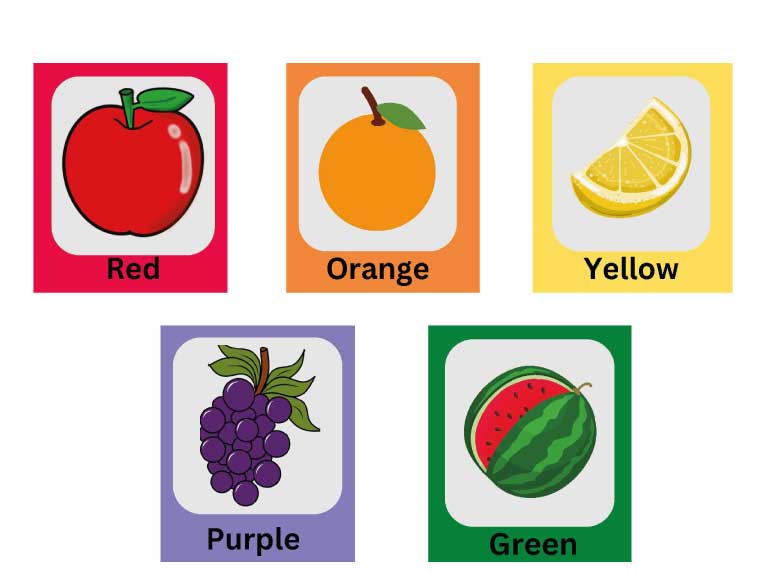
Teaching Colors with Ready-to-Print Pages
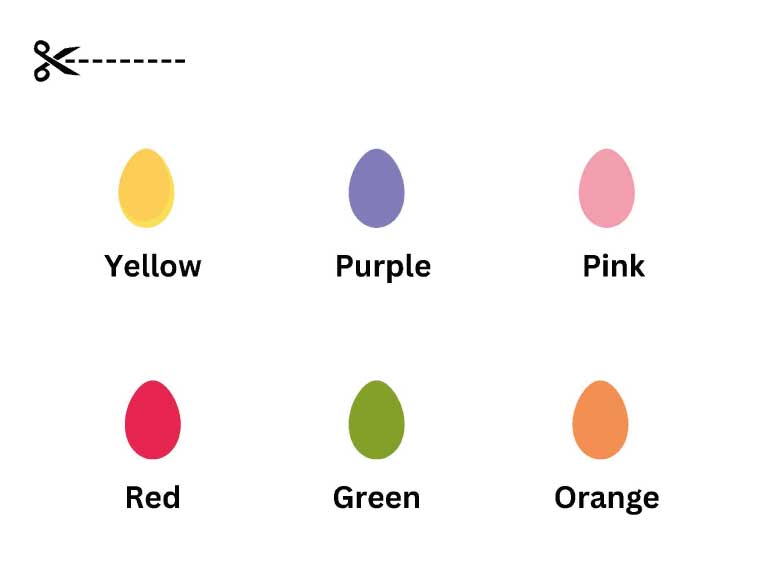
A major benefit of these worksheets is convenience. All 20 pages are ready to print and use immediately, which saves time for parents, teachers, and caregivers. Because these activities are simple and accessible, they can be added to daily routines without planning. Whether during morning work, centers, or quiet play, the pages are ideal for teaching colors in a stress-free format. All that is needed is scissors, crayons, or glue depending on the activity.
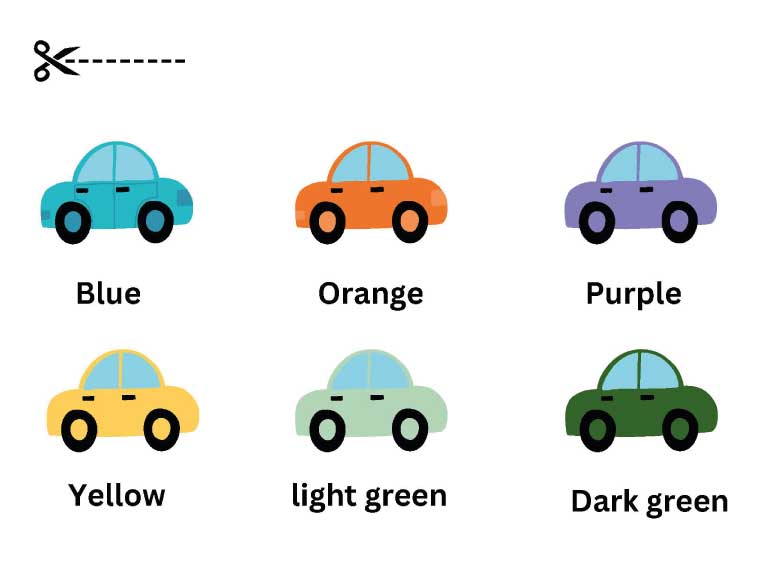
Teaching Colors for Preschool and Early Learners
These worksheets are designed with young learners in mind. The layout is clean and visually appealing, which helps children stay focused and excited. The progression of activities allows children to start with basic colors and gradually expand their vocabulary. This step-by-step method makes teaching colors easier for educators and more enjoyable for children. Preschoolers benefit greatly from repeated exposure to colors, and this set offers an excellent combination of practice and play.
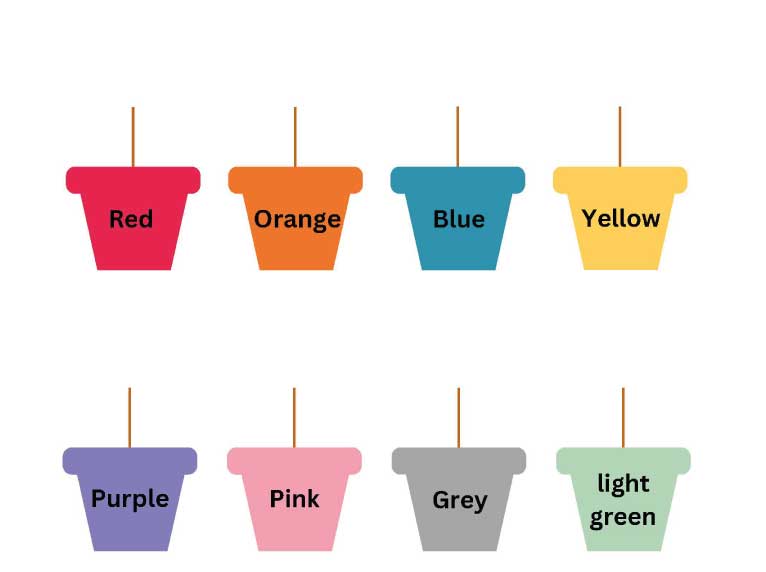
Teaching Colors While Building Fine Motor Skills
In addition to recognizing color names, the games support fine motor development. Cutting, coloring, and positioning pieces require careful hand control. This combination makes teaching colors a multi-skill experience where children learn through movement and coordination. These physical tasks help prepare young learners for writing, drawing, and classroom participation. At the same time, they feel accomplished when they finish a page on their own.
Toddler Activity Sheets: Effective Tools for Developing Cognitive and Fine Motor Skills
Teaching Colors Through Play and Interaction
Learning is more effective when it feels like play. These color matching games allow children to explore, ask questions, and communicate their ideas. Teachers and parents can participate, offering guidance while letting children discover answers independently. Such interaction makes teaching colors a social experience that strengthens language, memory, and cooperation. Games can be used in pairs or small groups, encouraging teamwork and shared enjoyment.
Conclusion
This 20-page set of color matching games provides a valuable tool for teaching colors in an enjoyable and structured way. With printable pages, age-appropriate activities, and hands-on learning, children gain confidence in identifying and naming colors. The combination of visual practice and play ensures that learning remains exciting and effective. Whether used at home or school, these pages make teaching colors simple, interactive, and fun.