Table of contents
Puzzles are powerful learning tools that combine fun and education in one activity. For children, solving these activities develops critical thinking, creativity, and problem-solving skills. Unlike traditional methods, puzzles make learning interactive, engaging, and memorable. When incorporated into daily routines, children can improve memory, concentration, and even social skills.
Educational games and challenges come in many forms—from jigsaw puzzles to word searches and logic exercises. Each type engages a different part of the brain, ensuring children learn while enjoying the process. This article explores why these activities are so effective, their types, benefits, and practical ways to use them in everyday learning.
Why Puzzles Are Essential for Child Development
Using puzzles in education is more than entertainment; it nurtures key skills:
- Cognitive Skills – They encourage logical thinking, pattern recognition, and problem-solving.
- Motor Skills – Manipulating pieces improves hand-eye coordination and dexterity.
- Memory Skills – Remembering patterns, sequences, and shapes strengthens memory.
- Emotional Development – Completing challenges boosts confidence and persistence.
- Social Skills – Collaborative tasks teach teamwork, sharing, and communication.
Integrating these activities into learning ensures children explore concepts actively, rather than passively absorbing information.
Types of Educational Puzzles
Educational challenges come in various forms, each targeting different learning areas.
1. Jigsaw Puzzles
Jigsaw puzzles improve visual-spatial reasoning and pattern recognition. Younger children benefit from large, colorful pieces featuring numbers, letters, or animals. Older children enjoy complex puzzles, which develop patience and analytical thinking.
2. Crossword Activities
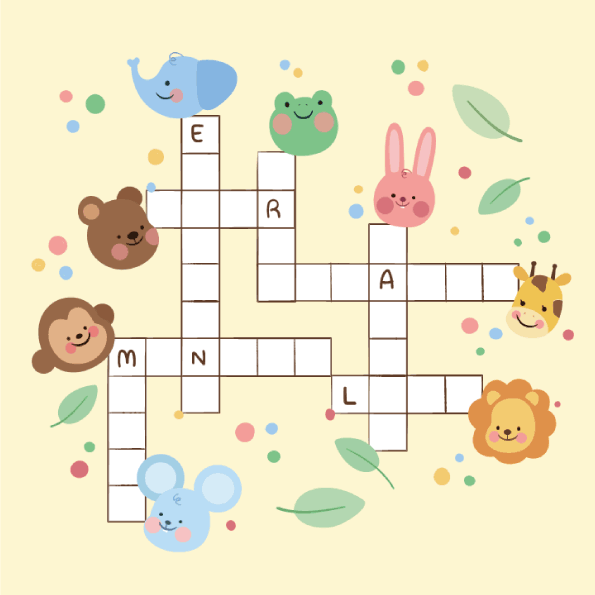
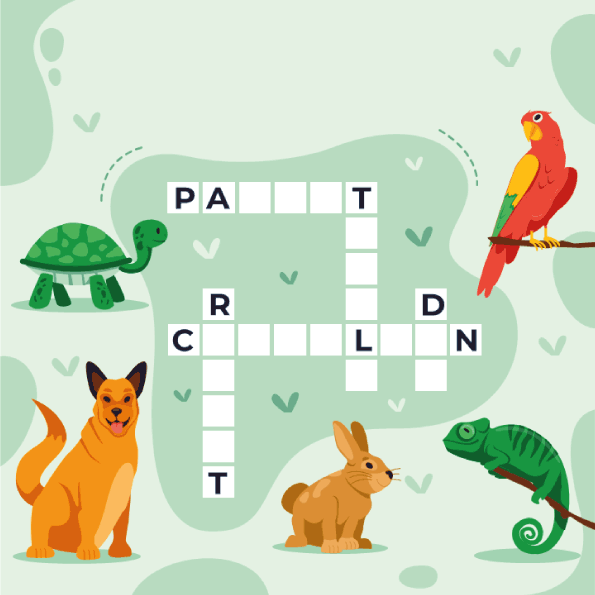
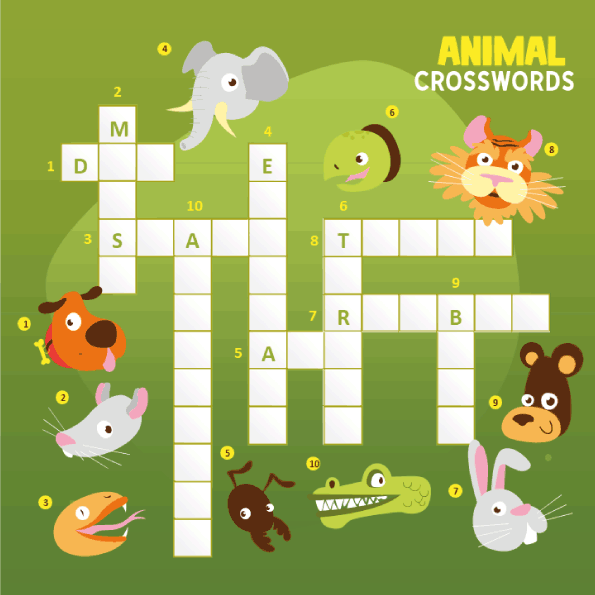
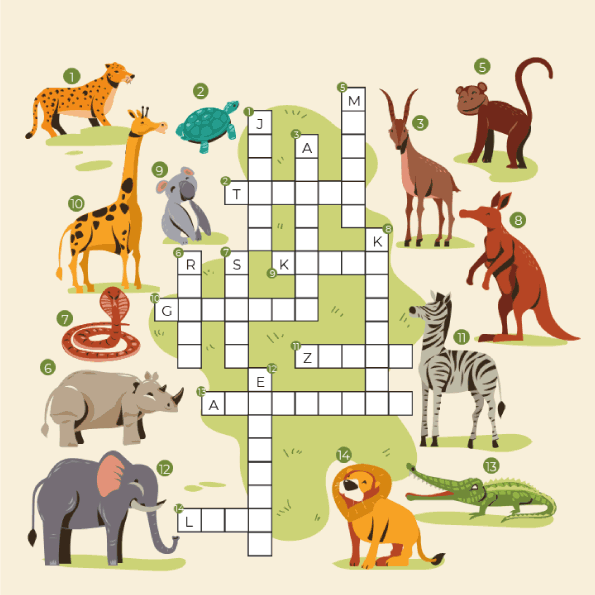
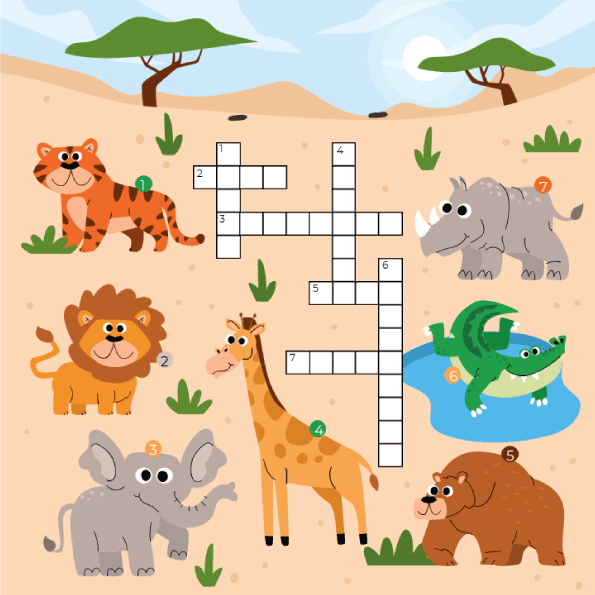
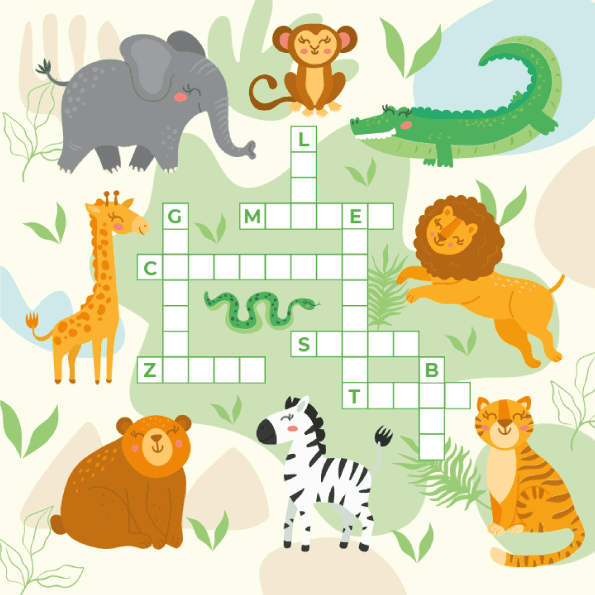
Crossword puzzles enhance language skills. They expand vocabulary, improve spelling, and reinforce general knowledge. These exercises can be adapted for all ages, from simple word matching to themed challenges for older children.
3. Number-Based Puzzles
Sudoku and similar challenges promote mathematical reasoning and analytical skills. Children learn sequencing, pattern recognition, and strategic thinking. Regular practice with these exercises strengthens logical reasoning.
4. Maze Challenges
Maze activities develop planning, concentration, and perseverance. Navigating mazes teaches children that trial and error is part of problem-solving, reinforcing patience and strategy.
5. Word Search Games
Word searches enhance focus, attention to detail, and vocabulary. Themed exercises can support topics like science, geography, or language, making learning both fun and educational.
Benefits of Educational Challenges
Incorporating these activities into learning brings numerous advantages:
1. Develops Critical Thinking
Solving challenges requires children to assess options, predict outcomes, and make strategic decisions. This builds analytical and decision-making skills valuable in all areas of life.
2. Boosts Creativity
Finding unique solutions nurtures creativity. Children experiment with approaches, learn from mistakes, and discover innovative solutions.
3. Enhances Focus and Patience
Completing these tasks teaches children to concentrate on tasks and develop patience. These skills transfer to schoolwork and other challenges.
4. Supports Emotional Growth
The sense of achievement from completing a task boosts confidence and resilience, showing children that effort leads to success.
5. Makes Learning Enjoyable
Fun activities turn education into a playful experience. Children are naturally motivated to engage when learning is enjoyable and interactive.
How to Incorporate Puzzles into Daily Learning
Here are practical ways to use these activities for educational enrichment:
1. Puzzle Corners at Home
Create a designated space with a variety of challenges. Rotate them regularly to keep children engaged.
2. Puzzle-Based Learning Activities
- Math Lessons: Use number games to reinforce arithmetic.
- Language Lessons: Use crosswords or word searches to build vocabulary.
- Science Lessons: Use classification tasks or life-cycle challenges to teach concepts interactively.
3. Digital Puzzle Platforms
Interactive games and apps offer adaptive difficulty, instant feedback, and progress tracking, creating personalized learning experiences.
4. Family Activity Nights
Family puzzle sessions encourage collaboration, communication, and shared problem-solving while making learning enjoyable.
5. Puzzle Challenges
Competitions in schools or communities motivate children to engage consistently, fostering both individual and group learning.
Choosing the Right Activities by Age
Selecting age-appropriate tasks ensures maximum learning benefits:
- Toddlers (2–4 years): Large-piece jigsaw activities, matching games for basic recognition.
- Preschoolers (4–6 years): Alphabet, number, and simple maze exercises.
- Early Elementary (6–8 years): Beginner crosswords, logic tasks, and medium jigsaws.
- Late Elementary (8–12 years): Sudoku, word searches, and challenging mazes.
- Teenagers (13+ years): Advanced logic tasks, strategic games, and complex crosswords.
Age-appropriate challenges maintain engagement while building relevant skills.
Printable Mazes: Fun Educational Activities to Enhance Children’s Focus
Tips for Maximizing Learning Through Puzzles
- Balance Difficulty: Ensure tasks are challenging but achievable.
- Encourage Reflection: Ask children to explain their solutions to reinforce reasoning.
- Integrate Across Subjects: Use exercises for math, language, and science.
- Celebrate Achievements: Praise or small rewards reinforce positive learning experiences.
- Promote Collaboration: Group tasks teach teamwork and communication.
Conclusion:
Puzzles are essential tools for making learning fun and effective. They improve critical thinking, creativity, focus, and emotional resilience. From toddlers to teenagers, educational challenges can be tailored to every age and skill level. By integrating puzzles into home, school, or digital learning environments, children gain skills that last a lifetime while enjoying the process.
When learning is enjoyable, children develop curiosity and a love for knowledge. Educational puzzles prove that play and education can go hand-in-hand, inspiring children to explore, think critically, and solve problems confidently.
💡 Give your child fun and meaningful time with puzzle sheets designed to develop intelligence and creativity. 💡