Table of contents
A jigsaw puzzle is more than just a box of colorful pieces—it’s a gateway to imagination, learning, and family fun. From toddlers just beginning to recognize shapes to older kids developing problem-solving skills, jigsaw puzzles offer a hands-on experience that blends playtime with learning.
In today’s digital age, where screens often dominate children’s attention, the jigsaw puzzle remains a timeless, tactile activity that encourages patience, focus, and creativity. Whether your child is piecing together an animal scene, a world map, or their favorite cartoon characters, each completed puzzle is a small victory that builds confidence and cognitive strength.
Let’s explore how these colorful, engaging puzzles help kids learn, laugh, and play, while also providing educational and emotional benefits that last a lifetime.
1. What Makes a Jigsaw Puzzle So Special?
A jigsaw puzzle is not just about putting pieces together—it’s about the process. Each piece holds a secret part of the bigger picture, and as children connect them, they develop visual and spatial awareness.
The beauty of a jigsaw puzzle lies in its simplicity. It doesn’t require batteries, Wi-Fi, or instructions. All it takes is curiosity and patience. Children get to experience something many digital games can’t provide—the joy of completing a tangible, real-world task.
Why Kids Love Jigsaw Puzzles
- They’re colorful and visually stimulating.
- Each puzzle offers a mini-challenge with a clear reward.
- It’s a fun, hands-on break from screens.
- Puzzles come in themes kids adore: animals, space, dinosaurs, and fairy tales.
A jigsaw puzzle also encourages teamwork when solved together with siblings or parents, strengthening family bonds through shared achievement.
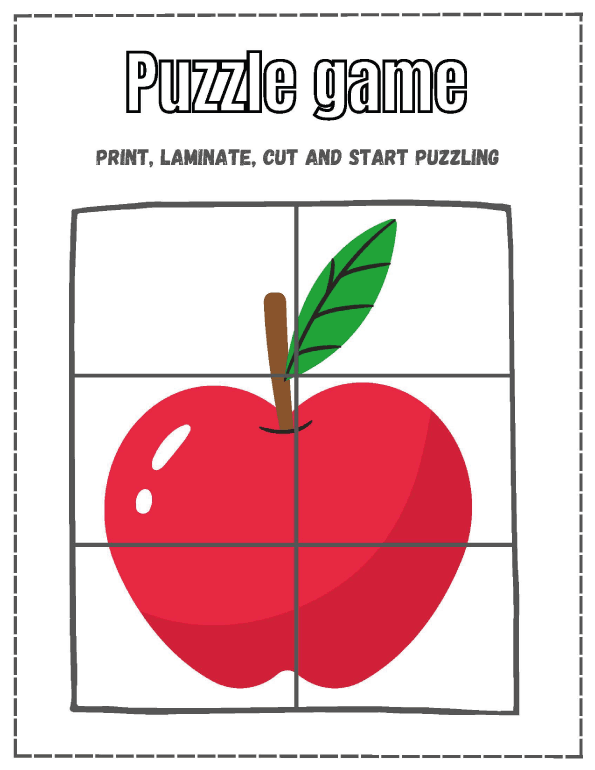
2. The Educational Benefits of a Jigsaw Puzzle
When parents hand a jigsaw puzzle to their kids, they’re doing more than giving them a toy—they’re offering a tool for early learning and development.
Cognitive Development
A jigsaw puzzle stimulates the brain in multiple ways. Children learn to recognize patterns, colors, and shapes. They start to see how parts relate to the whole. This visual-spatial reasoning helps improve memory, attention to detail, and problem-solving skills.
Fine Motor Skills
Picking up small puzzle pieces and fitting them into place strengthens finger muscles and hand-eye coordination. This is especially valuable for toddlers and preschoolers developing writing and drawing skills.
Language and Vocabulary Growth
When kids work on themed puzzles—like animals, alphabets, or countries—they naturally expand their vocabulary. Parents can enhance this by discussing each image as it’s revealed, turning a jigsaw puzzle session into a mini language lesson.
Patience and Perseverance
A jigsaw puzzle teaches kids that progress takes time. Completing a challenging puzzle helps them learn persistence, focus, and delayed gratification—skills essential for success in school and life.
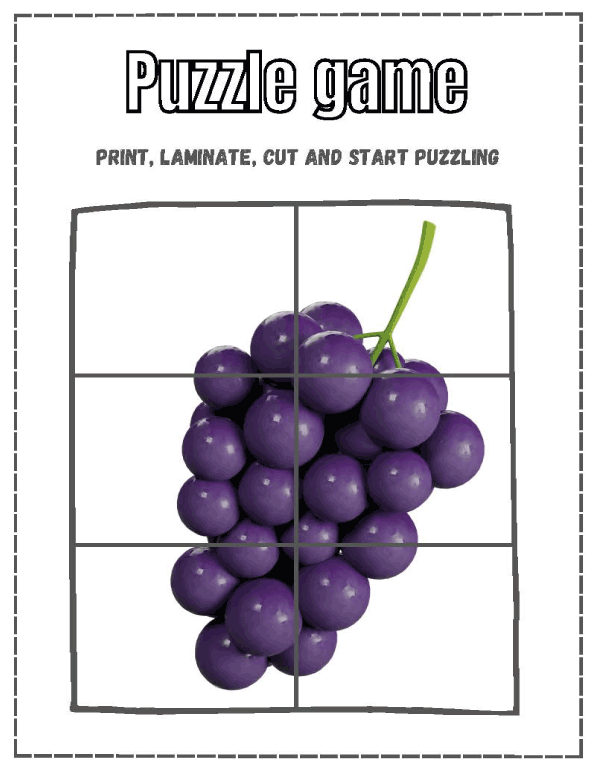
3. The Role of a Jigsaw Puzzle in Emotional Growth
Beyond academics, the jigsaw puzzle has a remarkable impact on emotional well-being. Kids experience a range of feelings—curiosity, challenge, frustration, and triumph—all within one activity.
Boosts Confidence
Each completed section of a jigsaw puzzle gives children a sense of achievement. They see their effort pay off visually, piece by piece. This builds self-confidence and resilience.
Encourages Mindfulness
Solving a jigsaw puzzle requires focus. As kids immerse themselves in finding the right pieces, they enter a calm, almost meditative state. It’s an excellent way to reduce stress and teach mindfulness from a young age.
Promotes Cooperation
Working on a jigsaw puzzle with friends or family encourages communication and teamwork. Kids learn to share ideas, take turns, and celebrate collective success—important lessons for social development.
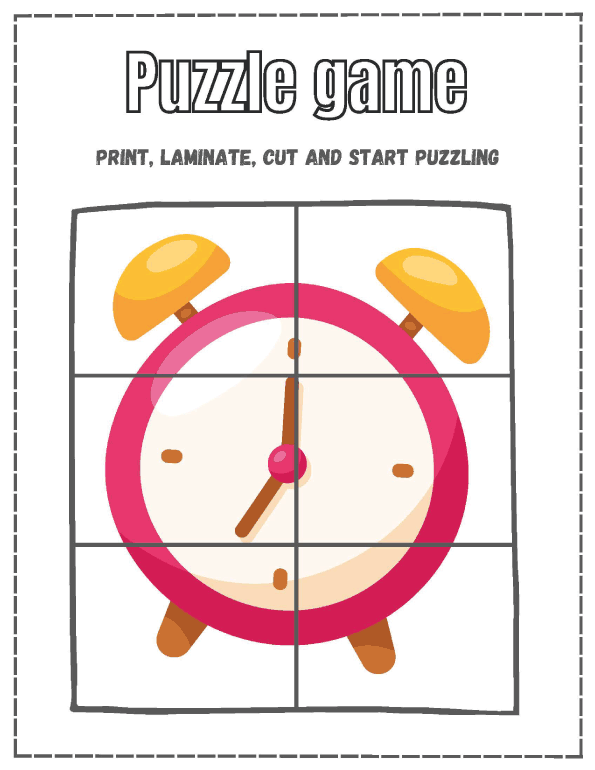
4. Choosing the Right Jigsaw Puzzle for Your Child
Not all puzzles are created equal. The best jigsaw puzzle for your child depends on their age, interests, and skill level. Choosing wisely ensures they stay engaged and challenged without feeling overwhelmed.
By Age Group
- Ages 2–3: Large wooden puzzles with simple shapes or animals.
- Ages 4–5: 12–24 piece puzzles with bright colors and familiar themes.
- Ages 6–8: 50–100 piece puzzles featuring fantasy or educational designs.
- Ages 9–12: 200–500 piece puzzles that introduce complex scenes or landscapes.
By Theme
A jigsaw puzzle becomes more meaningful when it reflects your child’s interests. Popular options include:
- Animals and nature scenes
- Space exploration
- Fairy tales and superheroes
- Vehicles and cityscapes
- World maps and geography themes
Selecting a jigsaw puzzle that matches your child’s curiosity keeps them motivated and turns learning into play.
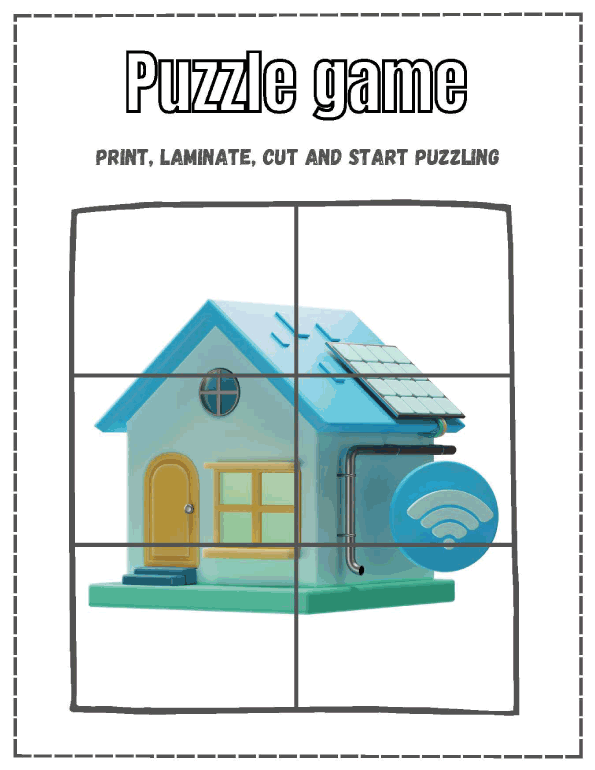
5. Fun Ways to Make Jigsaw Puzzle Time Exciting
Keeping kids engaged requires a little creativity. You can transform ordinary jigsaw puzzle sessions into thrilling adventures.
Create a Puzzle Race
If you have multiple puzzles, challenge siblings or friends to see who completes theirs first. This turns problem-solving into a friendly competition.
Storytelling Through Puzzles
After completing a jigsaw puzzle, encourage your child to make up a story about the image. If it’s a jungle scene, they can imagine being explorers meeting wild animals.
Family Puzzle Nights
Replace screen time with family puzzle nights. Choose a large jigsaw puzzle everyone can work on together. It’s a fun, screen-free bonding experience.
Frame the Finished Puzzle
Celebrate your child’s accomplishment by framing their completed jigsaw puzzle. It reminds them of what patience and teamwork can achieve—and makes great room décor!
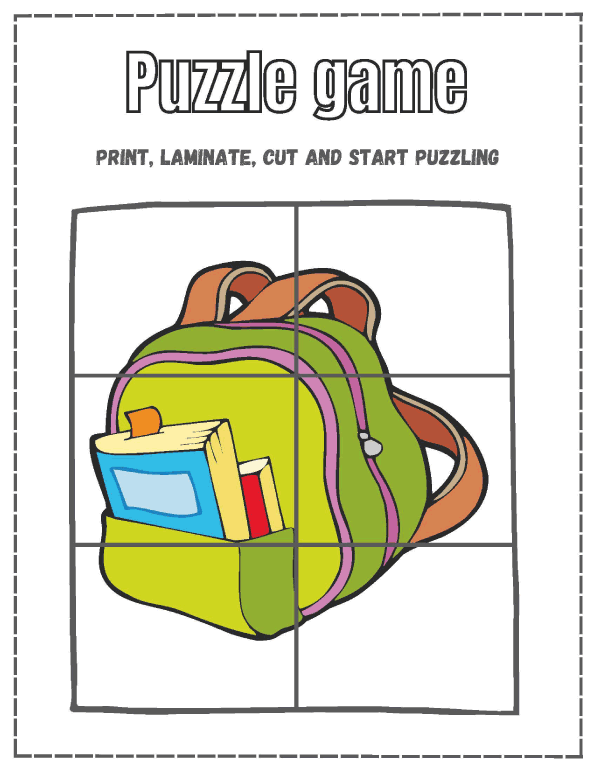
6. Digital vs. Physical: Why Hands-On Jigsaw Puzzles Win
With so many digital puzzle apps available, it’s easy to wonder if traditional jigsaw puzzles still matter. The answer is a resounding yes. Physical puzzles offer sensory experiences that screens can’t replicate.
When kids hold real puzzle pieces, they’re engaging multiple senses—touch, sight, and sometimes even sound as the pieces click into place. This tactile feedback helps reinforce memory and focus.
Moreover, physical jigsaw puzzles promote social interaction. Digital puzzles are often solitary, while traditional ones invite cooperation and communication.
Benefits of Physical Puzzles Over Digital Ones
- Enhances real-world problem-solving.
- Reduces screen fatigue and eye strain.
- Encourages family participation.
- Builds patience and concentration.
While digital puzzles can be educational, the jigsaw puzzle remains an irreplaceable classic that balances fun and learning in the most natural way.
7. DIY Jigsaw Puzzle Ideas for Creative Kids
You don’t always need to buy puzzles—making your own can be just as fun! DIY projects allow kids to personalize their puzzles while exercising creativity.
Simple DIY Steps
- Draw or print a favorite picture on sturdy paper or cardboard.
- Use a pencil to outline puzzle shapes on the back.
- Cut along the lines carefully to create pieces.
- Mix them up and start solving!
This hands-on activity gives children a deeper appreciation for how Puzzles works. They learn about design, precision, and creativity all at once.
Creative Variations
- Use family photos to make memory puzzles.
- Make seasonal puzzles (e.g., Christmas, Halloween, or birthday themes).
- Paint puzzles on wood for a lasting keepsake.
DIY puzzles also make thoughtful, personalized gifts for friends and family—especially when created by little hands.
Educational Puzzles That Make Learning Fun for Children
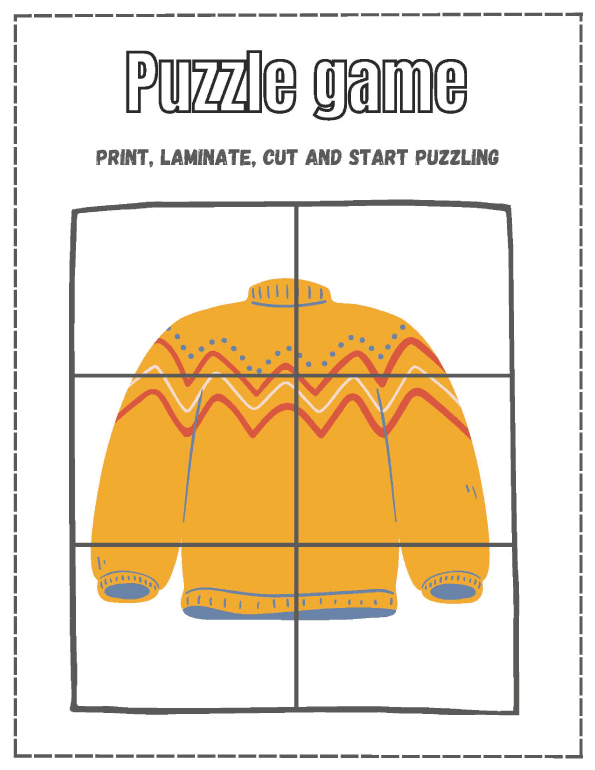
8. The Social and Family Benefits of Puzzles
Puzzle brings people together across generations. Grandparents, parents, and children can all share in the joy of solving one.
Family Bonding
Puzzles provide a calm, shared activity where everyone works toward a common goal. It encourages communication, patience, and laughter—without any screens involved.
Social Learning
When kids work on puzzles in groups, they learn cooperation, leadership, and negotiation. They discuss strategies, share discoveries, and celebrate victories together.
In an age of individual screen time, puzzles reminds families of the joy of togetherness.
9. How to Encourage a Lifelong Love of Puzzles
To keep children excited about puzzles, make the jigsaw puzzle a regular part of playtime. Introduce new challenges gradually and celebrate every success.
Tips for Parents and Educators
- Start with simple puzzles and increase complexity over time.
- Set aside “puzzle time” each week.
- Praise effort, not just completion.
- Combine puzzles with educational themes (math, geography, science).
When solving becomes a habit, the jigsaw puzzle becomes more than entertainment—it becomes a lifelong learning companion.
10. Where to Find the Best Jigsaw Puzzles for Kids
There’s no shortage of options when shopping for a jigsaw puzzle. Parents can find them at toy stores, bookstores, or online marketplaces.
Popular Brands and Sources
- Ravensburger – Known for durable, high-quality puzzles.
- Melissa & Doug – Great for wooden puzzles for younger kids.
- Mudpuppy – Offers creative, eco-friendly puzzle designs.
- Orchard Toys – Combines learning with fun themes.
You can also explore local artisan shops or educational stores for unique puzzles that align with your child’s interests.
Conclusion:
A jigsaw puzzle may look simple, but its impact on a child’s development is profound. It enhances cognitive skills, strengthens emotional intelligence, and builds family connections.
Every time a child fits two pieces together, they’re learning patience, logic, and perseverance. They’re also gaining confidence—knowing that even when things seem mixed up, persistence leads to clarity.
In a fast-paced, digital world, the jigsaw puzzle stands as a quiet reminder that the best learning often happens through play. So, bring out those colorful pieces, gather the family, and watch as your kids learn, laugh, and play—one puzzle piece at a time.
💡 Give your child fun and meaningful time with puzzle sheets designed to develop intelligence and creativity. (70 Pages) 💡