Table of contents
Bedtime stories have been a beloved tradition for generations, offering comfort, imagination, and bonding moments between children and caregivers. In today’s fast-paced world, where screens and schedules can overwhelm even the youngest minds, bedtime stories still stand as a gentle, timeless tool to bring calm and connection back into a child’s nighttime routine. This article explores why bedtime stories matter, how they help kids unwind, and how caregivers can use them to encourage creativity, emotional development, and lifelong learning. With practical tips, engaging examples, and a range of storytelling ideas, this guide is designed for parents, teachers, storytellers, and anyone wishing to turn nighttime into a magical adventure.

Why Bedtime Stories Are Essential for Kids
Bedtime stories are more than just cute tales told before sleep—they are a powerful developmental tool. When a child listens to bedtime stories, their brain becomes an active playground for imagination. This helps build vocabulary, boost creativity, and strengthen emotional understanding. Beyond cognitive benefits, bedtime stories also cultivate important social and bonding experiences.
1. Emotional Comfort and Security
Children find comfort in routines, and bedtime stories create a predictable, peaceful moment at the end of the day. Hearing a caregiver’s voice—calm, warm, and steady—helps reduce anxiety and prepares the mind for rest. Many kids associate bedtime stories with safety, love, and reassurance.
2. A Gateway to Imagination
Stories about magical forests, talking animals, and brave young heroes allow children to explore limitless worlds. Unlike visual media, which shows every detail, bedtime stories rely on imagination. Kids learn to picture characters, settings, and actions on their own, strengthening critical thinking and visualization skills.
3. Stronger Language and Literacy Skills
Research consistently shows that children exposed to bedtime stories develop stronger language comprehension and reading readiness. The flow of storytelling exposes them to new vocabulary, sentence structures, and expressive communication. Even short bedtime stories can spark immense growth in linguistic abilities.

The Role of Calm Bedtime Stories in a Healthy Sleep Routine
Calm bedtime stories are especially useful because they help slow down a child’s nervous system, shifting their mind away from excitement and overstimulation. Not all bedtime stories need to be thrillers filled with adventure; soft, sweet stories often work best at night.
How Calm Bedtime Stories Support Better Sleep
- They lower nighttime anxiety.
- They help children transition from active play to relaxation.
- They introduce predictable rhythms and gentle pacing.
- They encourage mindfulness and emotional regulation.
Soft bedtime stories featuring nature, friendship, or small experiences—like a bear preparing for winter or a star learning to shine—create a tone of tranquility.
Examples of Calm Themes
- A sleepy moon guiding the night sky
- A little turtle finding its cozy shell
- A kitten learning to purr
- Magical warm lights in a quiet forest
- A cloud floating peacefully across the sky
When these calm bedtime stories are combined with soft lighting, a comfortable blanket, and a quiet space, they become a powerful part of any child’s sleep routine.
A Happy Story for Kindergarten Kids: The Giggle Garden Mystery
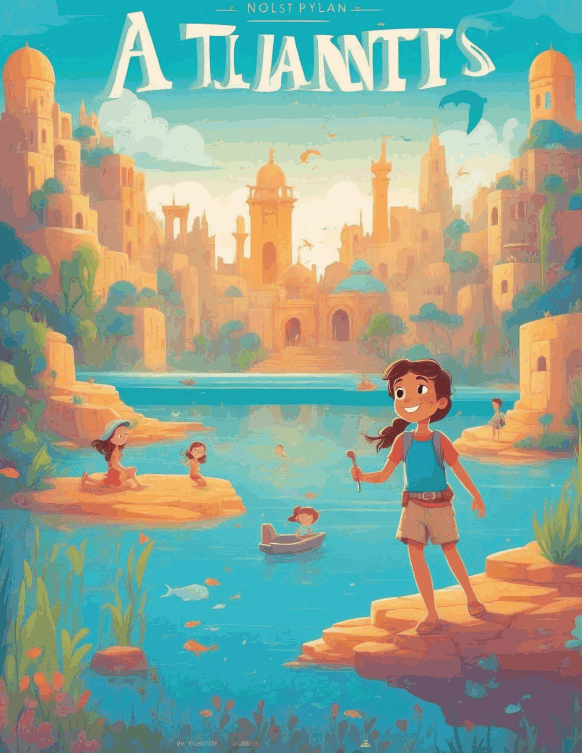
Cute Bedtime Stories: Engaging the Heart Through Gentle Fun
Kids love cute characters—soft animals, tiny magical creatures, or friendly robots. Cute bedtime stories have the unique ability to bring joy and laughter while still maintaining a peaceful tone.
What Makes a Bedtime Story “Cute”?
- Lovable, non-threatening characters
- Silly but gentle humor
- Relatable emotions (curiosity, bravery, kindness)
- Simple but imaginative plots
- Warm resolutions
Cute bedtime stories also help children explore big feelings through small, safe narratives. A shy bunny learning to hop or a tiny dragon practicing gentle fire-breathing can teach valuable lessons wrapped inside lovable adventures.
Benefits of Cute Storylines
- Create emotional warmth before sleep
- Encourage empathy toward characters
- Reduce fear of nighttime
- Make bedtime enjoyable rather than stressful
Cute bedtime stories aren’t just about fun—they’re comforting, disarming, and perfect for kids who prefer lighthearted tales at night.
Imaginative Bedtime Stories: Fueling Creativity While Winding Down
Imagination is the heart of childhood, and bedtime stories are the gateway. Imaginative bedtime stories help kids stretch the boundaries of creativity while remaining grounded enough to ease them into sleep.
Elements of Imaginative Bedtime Stories
- Unusual worlds (floating islands, tiny planets, underwater gardens)
- Magical elements (talking stars, time-bending feathers, invisible bridges)
- Unique creatures (whispering foxes, rainbow owls, cloud spirits)
- Gentle fantasy adventures (a treasure hunt guided by fireflies)
Unlike intense adventure fantasies, imaginative bedtime stories maintain a soft atmosphere. The magic exists, but not in a way that overstimulates a child before sleep.
How These Stories Support Development
- Expand creative thinking
- Improve problem-solving through story-based challenges
- Encourage curiosity and wonder
- Help children explore new possibilities in safe ways
Imaginative stories also provide a framework for positive dreams. By ending the night with wonder instead of worry, children drift into sleep with images that inspire and soothe.
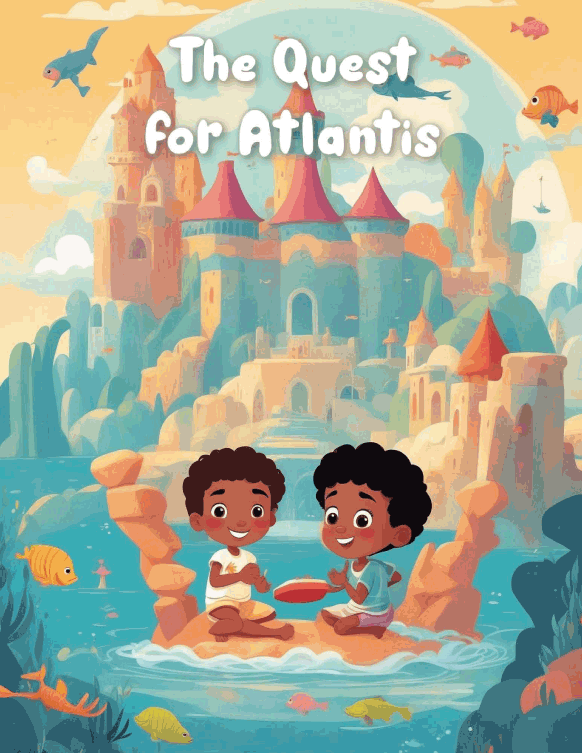
What Makes Great Stories? A Guide for Caregivers
Crafting stories doesn’t require writing skills or artistic talent—only intention and warmth. Whether you’re reading published bedtime stories or improvising your own, these elements can help you create meaningful nighttime tales.
Key Components of an Effective Bedtime Story
1. Simplicity
Kids don’t need complex plots at night. Simple bedtime stories with clear beginnings and endings work best.
2. Soft Tone
Use gentle words, soothing descriptions, and peaceful pacing.
3. Positive Emotions
Comforting themes—love, bravery, curiosity, kindness—promote relaxation.
4. Predictability
Children often prefer recurring structures:
- A problem
- A journey
- A solution
- A calm ending
5. Sensory Imagery
Use soft visuals:
- “The warm sun dipped behind the hills…”
- “The forest glowed with tiny lantern-like fireflies…”
6. A Cozy Ending
Every bedtime story should conclude in a peaceful, reassuring way.
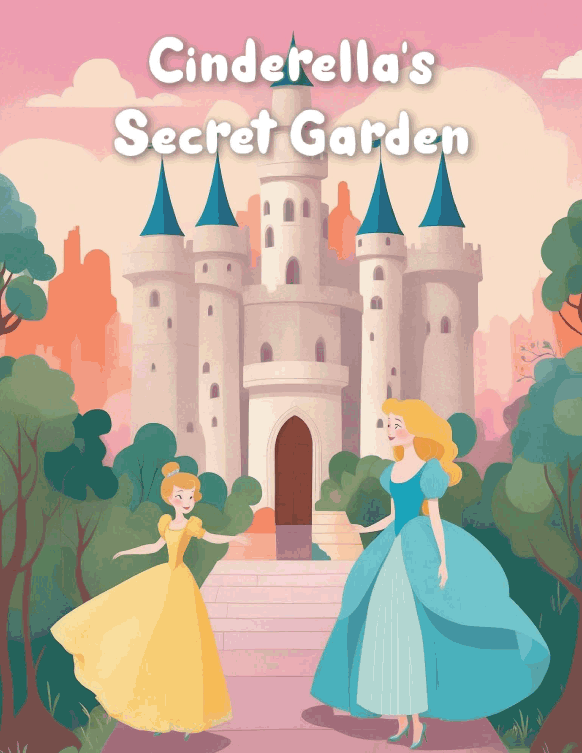
How to Choose the Best Stories for Different Age Groups
Different ages have different storytelling needs. Incorporating stories that match developmental stages ensures maximum engagement and benefit.
Toddlers (Ages 1–3)
- Prefer short, repetitive stories
- Enjoy familiar animals and routines
- Respond well to soothing sounds and simple rhythms
Great choices:
- Stories about bedtime routines
- Baby animals
- Soft rhyming tales
Preschoolers (Ages 3–5)
- Love imagination and humor
- Enjoy slightly longer bedtime stories
- Connect with characters who mirror their emotions
Great choices:
- Stories about friendship
- Magical mini-adventures
- Cute creatures learning small lessons
Early Readers (Ages 6–8)
- Enjoy more detailed worlds
- Appreciate story arcs and resolutions
- Start understanding moral themes
Great choices:
- Light fantasy bedtime stories
- Small quests with calm outcomes
- Stories about bravery, curiosity, and problem-solving
How to Read Stories in a Meaningful Way
The way you read stories impacts how a child absorbs the experience. A simple shift in tone or pace can turn an ordinary story into a cherished memory.
Tips for Effective Storytelling
- Slow down. Allow space for the child to imagine.
- Use a soft voice. Gentle tones promote relaxation.
- Add expression. Make characters come alive without exaggeration.
- Create eye contact. Helps build connection and trust.
- Pause for questions. Kids love to participate.
- Encourage predictions. Helps them build narrative understanding.
Reading stories shouldn’t feel rushed. The quieter, slower, and more intentional the experience, the more meaningful the moment becomes.
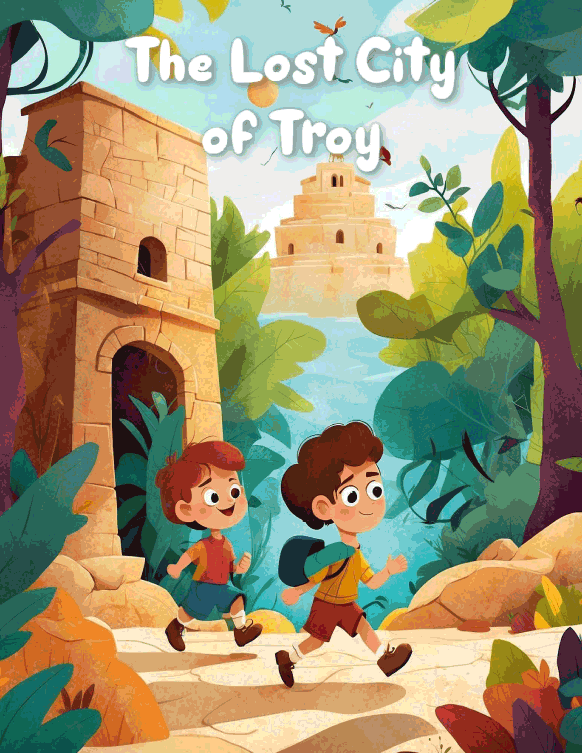
10 Quick Story Prompts for Parents and Educators
These prompts can help you create your own stories on the spot:
- A tiny star who wants to glow brighter learns that kindness makes it shine.
- A sleepy bear cub searches for the perfect bedtime hug.
- A talking leaf rides the wind around the world.
- A magical paintbrush brings soft colors to nighttime clouds.
- A penguin dreams of exploring warm beaches.
- A moonbeam helps guide lost fireflies home.
- A cat learns that sharing toys brings new friends.
- A gentle dragon teaches animals how to stay warm at night.
- A shy cloud discovers how to make rainbows.
- A kind fairy whispers sweet dreams into the forest.
Each prompt can be shaped into calm, cute, and imaginative stories tailored to your child’s preferences.
Conclusion:
Stories are more than words on a page—they are a gift. They shape imagination, support emotional well-being, strengthen vocabulary, and build deep connections between children and caregivers. Whether you prefer calm bedtime stories that soothe, cute bedtime stories that warm the heart, or imaginative bedtime stories that spark creativity, the simple act of storytelling transforms nighttime into a magical ritual.
In a world full of distractions, Stories give children something priceless: your voice, your attention, your love—and a doorway into dreams where anything is possible.
🌟 Here are 5 wonderful stories your child will love! 🌟