Table of contents
Early math learning should be simple, supportive, and confidence-building. addition for kindergarten is one of the first math concepts children encounter, and how it is introduced can shape their attitude toward math for years to come. When addition is taught through easy, hands-on practice, children understand numbers as meaningful quantities rather than abstract symbols.
Understanding the Concept of Addition in Early Childhood
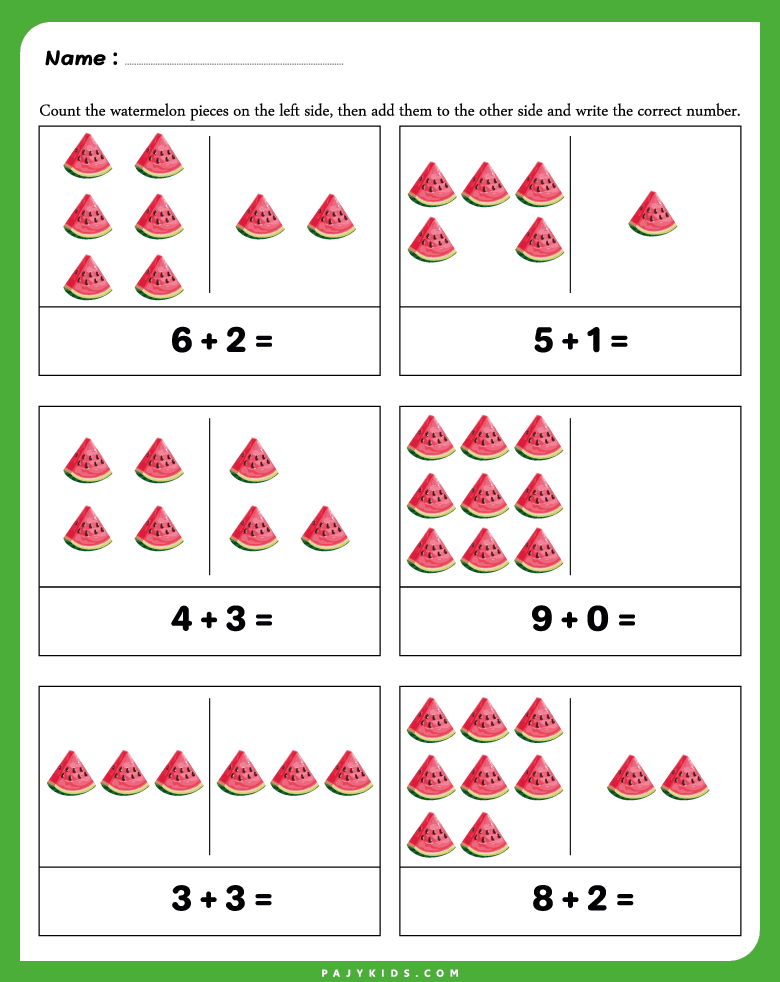
Before solving equations, children must understand what addition really means: putting groups together. Using real-life examples such as toys, snacks, or classroom objects helps children see how numbers increase. This concrete understanding makes addition for kindergarten more intuitive and reduces confusion when children later see written problems.
Addition for Kindergarten Using Visual and Hands-On Methods
Visual learning plays a crucial role at this age. Pictures, counters, blocks, and number lines allow children to see addition happening step by step. When addition for kindergarten is taught with visual aids, children are better able to follow the process, recognize patterns, and remember solutions without relying on memorization.
Building Fine Motor and Thinking Skills Together
Easy math practice often involves drawing, circling answers, or connecting objects, which strengthens fine motor skills alongside math understanding. These activities improve hand–eye coordination, focus, and pencil control. At the same time, children practice reasoning and sequencing through simple addition for kindergarten tasks.
Gradual Progression Builds Confidence
Successful learning starts with very small numbers and clear guidance. As children gain confidence, problems can gradually become more challenging. This step-by-step approach ensures that addition for kindergarten feels achievable rather than overwhelming, helping children develop a positive mindset toward math.
Learn Numbers in English: Creative Poster Activities to Help Children
Reinforcing Addition Skills at School and Home
Consistency across learning environments supports mastery. Teachers can introduce addition concepts in the classroom, while parents reinforce them at home using everyday moments like counting steps or adding toys. Regular exposure to addition for kindergarten in different contexts strengthens understanding and long-term retention.
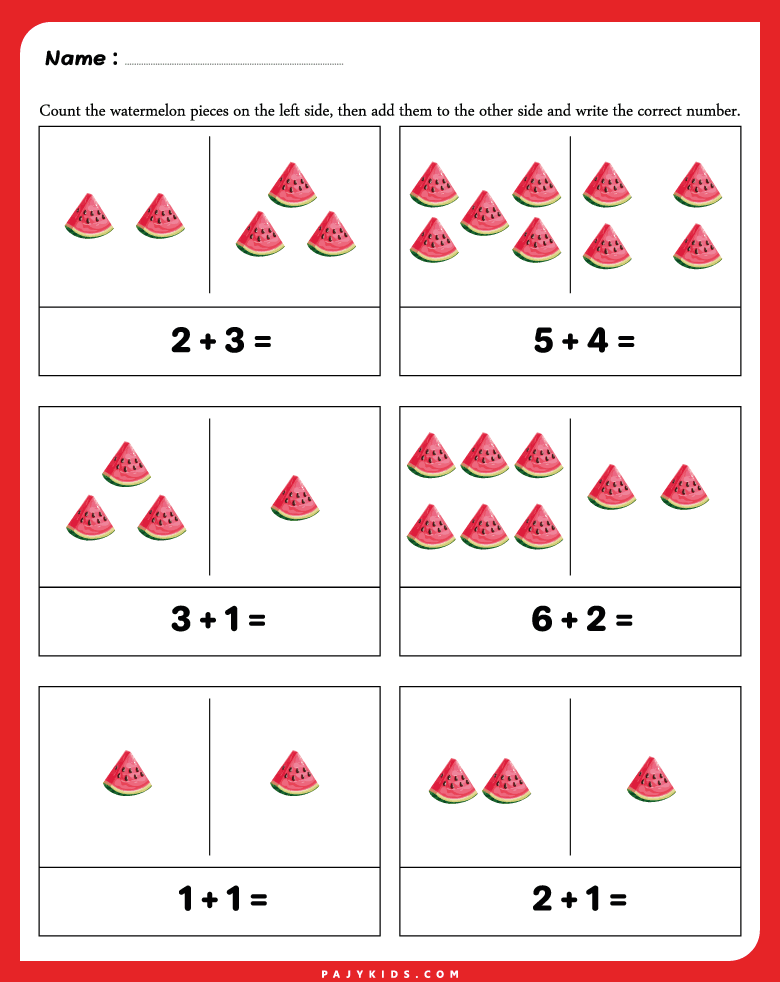
Easy math practice lays the foundation for lifelong learning. When taught through visuals, hands-on activities, and gradual progression, addition for kindergarten becomes an enjoyable and meaningful experience. These early successes build number sense, confidence, and curiosity, preparing children for future math concepts with a strong and positive start.