Table of contents
Helping children build a strong foundation in math starts with mastering simple addition. Early exposure to addition worksheets for kids allows children to develop confidence with numbers while practicing essential problem-solving skills. Structured activities like these provide a clear, repetitive format that supports learning and helps children gradually move from basic sums to more complex calculations.
The materials shown here present a comprehensive set of addition exercises, designed to guide children through consistent practice. With clear layouts, spaces for answers, and progressively challenging numbers, this type of activity is ideal for both home learning and classroom use.
What This Activity Teaches Children
Addition activities like these go beyond simply teaching children how to add numbers. They support a wide range of developmental and academic skills:
1. Number Recognition and Fluency
Children become familiar with multi-digit numbers as they repeatedly see and work with them. This improves their ability to recognize numbers quickly and accurately.
2. Mental Math and Calculation Skills
By solving repeated addition problems, children begin to internalize number patterns and develop mental math strategies, making calculations faster over time.
3. Problem-Solving Skills
Each equation encourages children to think critically about how numbers combine, fostering logical reasoning and analytical thinking.
4. Focus and Attention
The structured format multiple problems per page with designated answer spaces—helps children practice sustained attention and concentration.
5. Confidence in Math
As children complete more problems successfully, they gain confidence in their abilities, which is crucial for long-term academic success.
6. Preparation for Advanced Math
These exercises lay the groundwork for more advanced concepts such as subtraction, multiplication, and place value understanding.
How Parents Can Use This Activity With Their Child
Using addition worksheets effectively at home doesn’t require special training—just a thoughtful approach and consistency.
Step 1: Create a Calm Learning Space
Choose a quiet, comfortable place where your child can focus without distractions.
Step 2: Start with a Warm-Up
Begin with a few simple addition problems verbally to get your child’s mind ready.
Step 3: Work Through a Few Problems Together
Sit with your child and solve the first 1–2 problems together. Show them how to line up numbers and think through the solution.
Step 4: Encourage Independent Practice
Let your child complete the remaining problems independently, offering support only when needed.
Step 5: Review Answers Together
Go over the completed work, celebrating correct answers and gently correcting mistakes.
Step 6: Keep Sessions Short and Consistent
Daily practice of 10–15 minutes is far more effective than long, occasional sessions.
Tips to Make This Activity Fun
Even structured math practice can be engaging with the right approach.
Turn It Into a Game
Set a timer and challenge your child to complete a certain number of problems before time runs out—without sacrificing accuracy.
Use Rewards and Praise
Simple encouragement like stickers, stars, or verbal praise can motivate children to keep going.
Add Real-Life Connections
Relate addition problems to real-life situations, such as counting toys, snacks, or steps.
Alternate Roles
Let your child “be the teacher” and check your answers it boosts confidence and engagement.
Mix in Breaks
Short breaks between sets of problems help maintain focus and prevent frustration.
Fun Simple Addition and Subtraction Worksheets for Kids – PowerPoint
Activity Preview
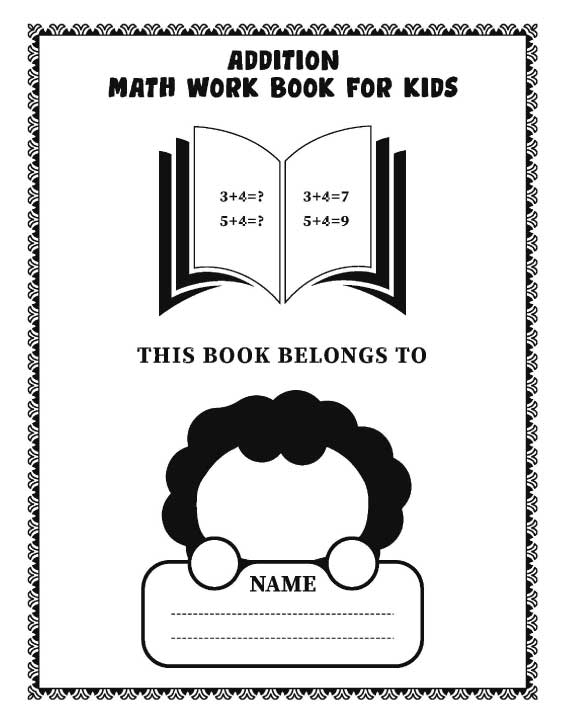
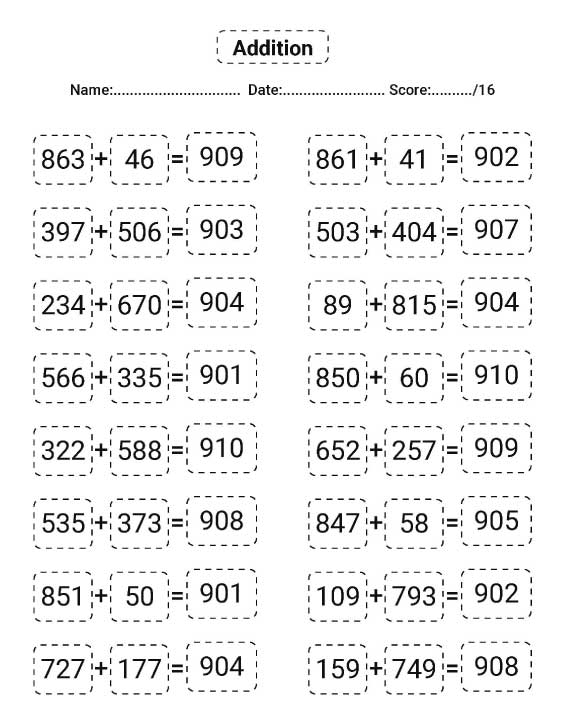
The materials present a structured and repetitive format that supports learning through practice. On the opening page, children see a friendly cover design with simple example equations like “3 + 4 = ?” alongside completed examples such as “3 + 4 = 7,” helping them understand expectations before starting.
Inside pages follow a consistent layout:
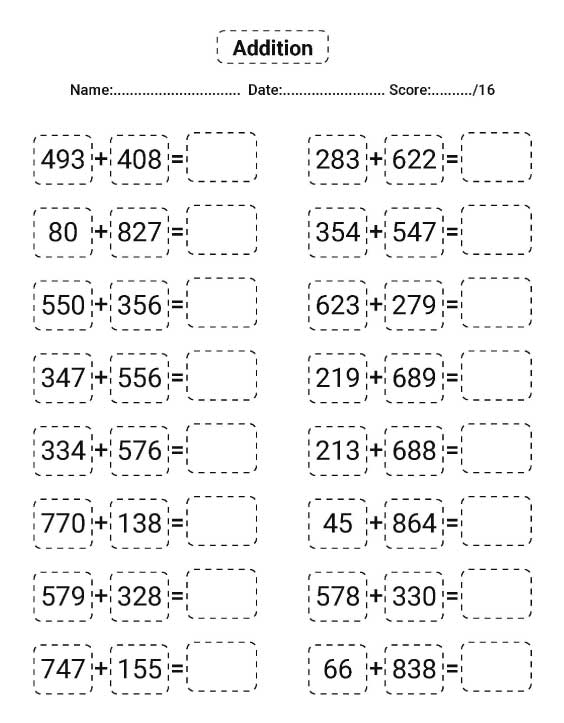
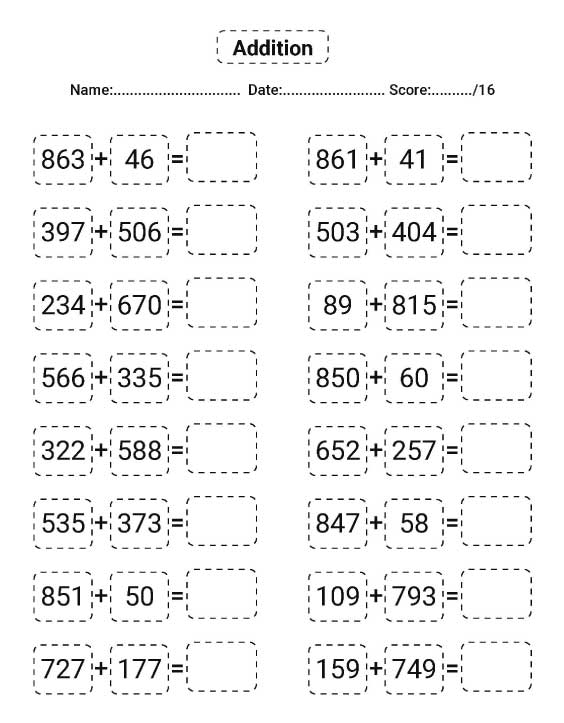
- Each page includes multiple addition problems arranged in rows
- Spaces are provided for children to write answers clearly
- Name, date, and score sections encourage accountability and tracking progress
- Numbers range from smaller values to larger multi-digit combinations, offering gradual progression
For example, one page presents pairs of numbers such as 493 + 408 or 80 + 827, guiding children to compute and write the correct sum.
This predictable structure helps children feel comfortable and focused, as they know exactly what to expect on each page.
Conclusion
Simple addition activities like these can have a powerful impact on your child’s learning journey. With consistent practice, patience, and encouragement, children not only improve their math skills but also develop confidence and a positive attitude toward learning. Whether used at home or in a classroom, structured addition worksheets provide a reliable and effective way to support early math development—one small step at a time.