Table of contents
Helping young children learn the alphabet is one of the most important early steps in their educational journey. Before children can read or write, they need to recognize letters, understand their sounds, and practice forming them correctly. That’s where alphabet tracing for kids becomes incredibly valuable.
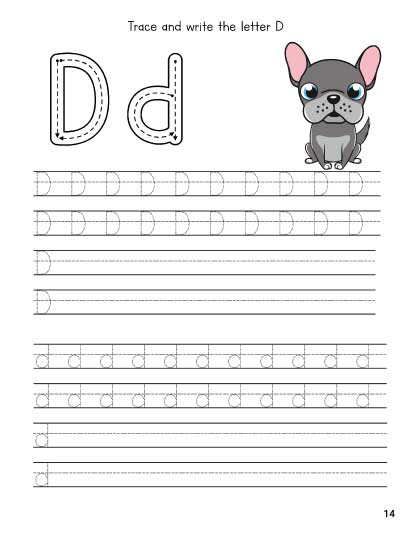
Through engaging, visual activities that combine tracing, coloring, and word association, children can build confidence while learning. The materials shown (see examples on page 1 and 2 ) introduce letters in a playful and structured way, making learning feel more like a fun game than a lesson.
Whether you’re a parent, homeschooler, or teacher, these activities provide a simple and effective way to support early literacy at home or in the classroom.

What This Activity Teaches Children
Alphabet tracing activities are much more than just writing practice. They support several essential developmental skills:
1. Letter Recognition
Children are introduced to both uppercase and lowercase letters in a clear, visual format. Seeing letters repeatedly helps them recognize shapes and distinguish between similar letters.
2. Handwriting Skills
Tracing dotted lines helps children learn how to correctly form each letter. Over time, they gain control and confidence in writing independently.
3. Fine Motor Development
Holding a pencil and following lines strengthens small hand muscles. This is crucial for writing, drawing, and everyday tasks like buttoning clothes.
4. Phonics and Vocabulary
Each letter is paired with a familiar word and image. For example:
- A is for Apple
- B is for Bear
- C is for Car
This helps children connect letters to sounds and real-world objects.
5. Focus and Attention
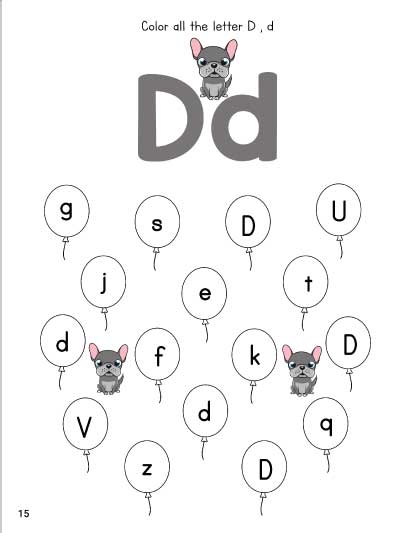
Activities like finding and coloring specific letters encourage concentration and attention to detail.
How Parents Can Use This Activity With Their Child
Using alphabet tracing activities at home can be simple and enjoyable. Here’s a step-by-step approach:
Step 1: Introduce One Letter at a Time
Start with a single letter, such as “A.” Show your child the letter and say its name and sound clearly.
Step 2: Explore the Image
Point to the picture associated with the letter (like an apple for A). Talk about it to build vocabulary.
Step 3: Practice Tracing
Guide your child as they trace the dotted lines. Encourage slow and careful movement.
Step 4: Independent Writing
After tracing, let your child try writing the letter on their own.
Step 5: Reinforce with a Fun Activity
Use coloring or a “find the letter” activity to reinforce learning in a playful way.
Fun Reading Comprehension Activities for Kids to Build Early Literacy Skills
Tips to Make This Activity Fun
Keeping children engaged is key to successful learning. Here are some simple tips:
- Use colorful pencils or markers to make tracing more exciting
- Celebrate small successes with praise and encouragement
- Turn it into a game, such as “Can you find all the A’s?”
- Keep sessions short (10–15 minutes) to match attention spans
- Use movement, like tracing letters in the air or on a table

Activity Preview
The activity pages are designed to guide children step by step through learning the alphabet.
- A colorful alphabet chart introduces all letters from A to Z, helping children see the full sequence of the alphabet
- Each letter has its own dedicated page with both uppercase and lowercase tracing lines
- Children follow dotted lines to trace letters repeatedly, building muscle memory
- Each letter is paired with a large, friendly illustration (like an apple, bear, or car) to support word association
- Additional activities include coloring pictures and identifying the correct letter among several options
For example, on one page, children trace the letter “A” multiple times, then practice writing it independently while looking at an apple illustration. On another page, they are asked to find and color all instances of the letter among different letters (see early activity examples ).
These varied activities keep children engaged while reinforcing learning through repetition and creativity.
Conclusion
Teaching children the alphabet doesn’t have to be complicated or stressful. With simple, engaging activities like alphabet tracing, children can learn at their own pace while having fun.
By combining tracing, visuals, and playful exercises, you’re not just teaching letters, you’re building the foundation for reading, writing, and lifelong learning. Small daily moments of practice can make a big difference, and your support as a parent or teacher is the most important part of that journey.