Table of contents
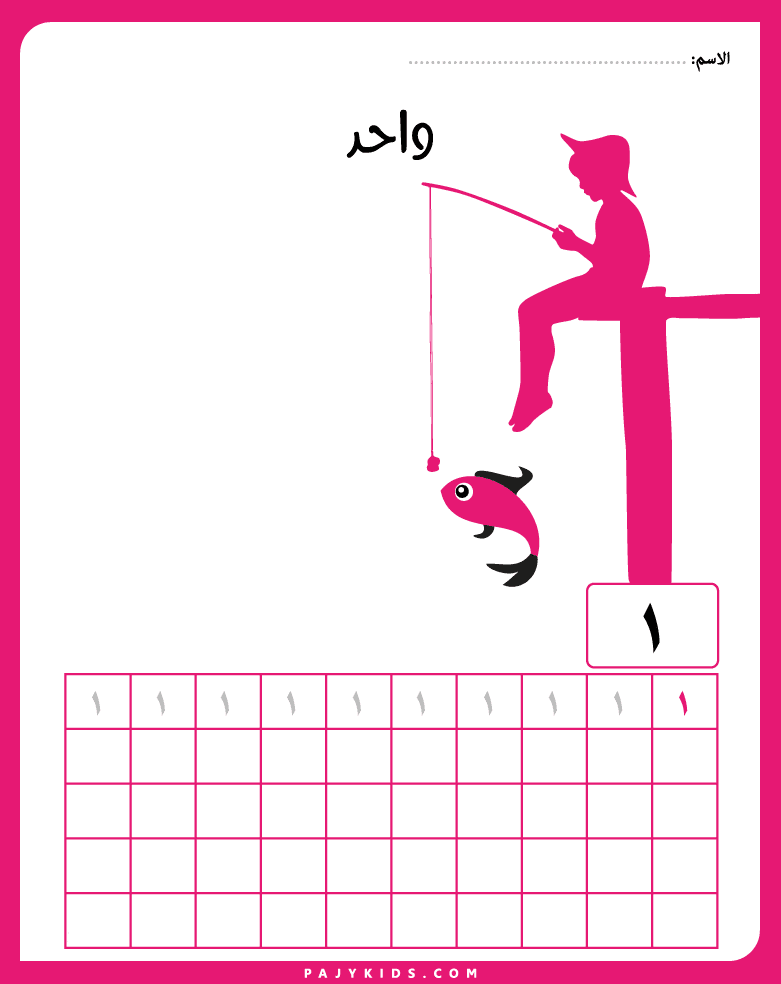
Learning how to write numbers is a critical milestone in early childhood education, and arabic digit tracing exercises play a central role in this process. At the kindergarten level, children are still developing fine motor skills, hand–eye coordination, and visual recognition. Tracing activities provide a structured yet gentle way to introduce number formation while building confidence and readiness for independent writing.
Arabic digit Tracing as a Foundation for Early Numeracy
Tracing numbers is not only a writing exercise; it is a foundational numeracy skill. When children trace an arabic digit, they begin to associate the visual shape of the number with its meaning and order. This repeated exposure strengthens number recognition and helps children understand sequencing, which is essential for counting, comparing quantities, and basic arithmetic in later stages.
Developing Fine Motor Skills Through Tracing Activities
Kindergarten children are still learning how to control pencils and crayons effectively. Tracing exercises gradually train small hand muscles and improve grip strength. Using dotted outlines, arrows, and guided paths allows children to practice movement without frustration. Over time, tracing an arabic digit becomes smoother, more accurate, and more natural, preparing children for freehand writing.
Arabic digit Tracing Worksheets and Visual Learning
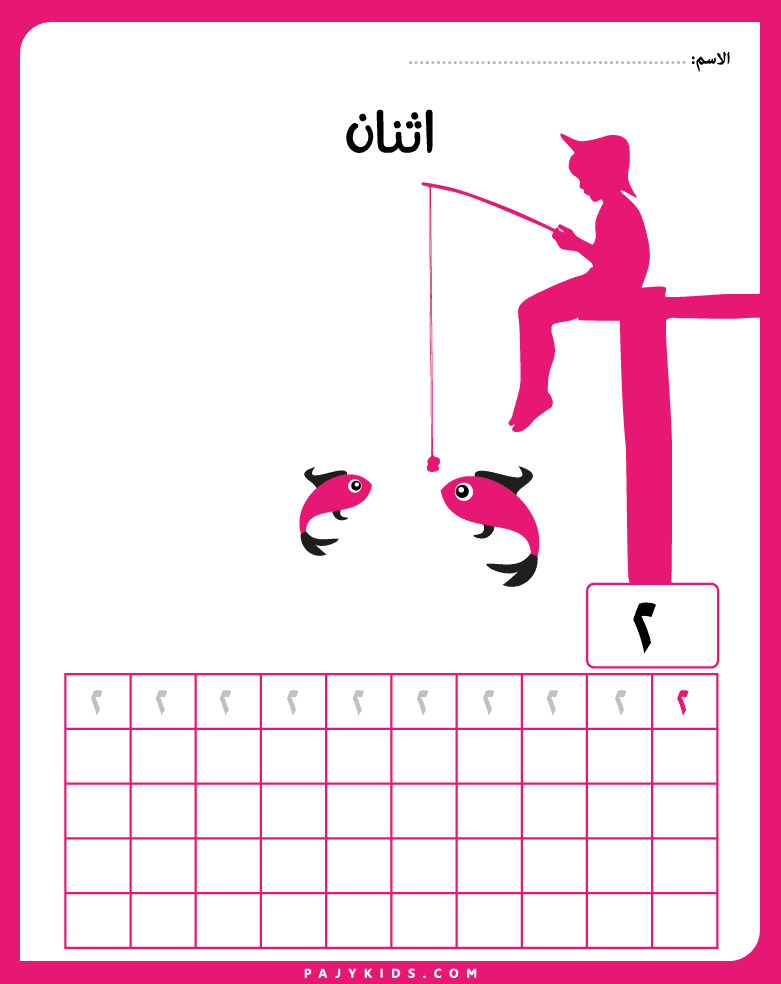
Well-designed tracing worksheets rely heavily on visual cues. Clear number shapes, directional arrows, and consistent starting points help children understand how each number is formed. Incorporating colors, images, and simple patterns alongside arabic digit tracing keeps learners engaged and reduces boredom, making practice sessions more productive and enjoyable.
Building Confidence Through Repetition and Progression
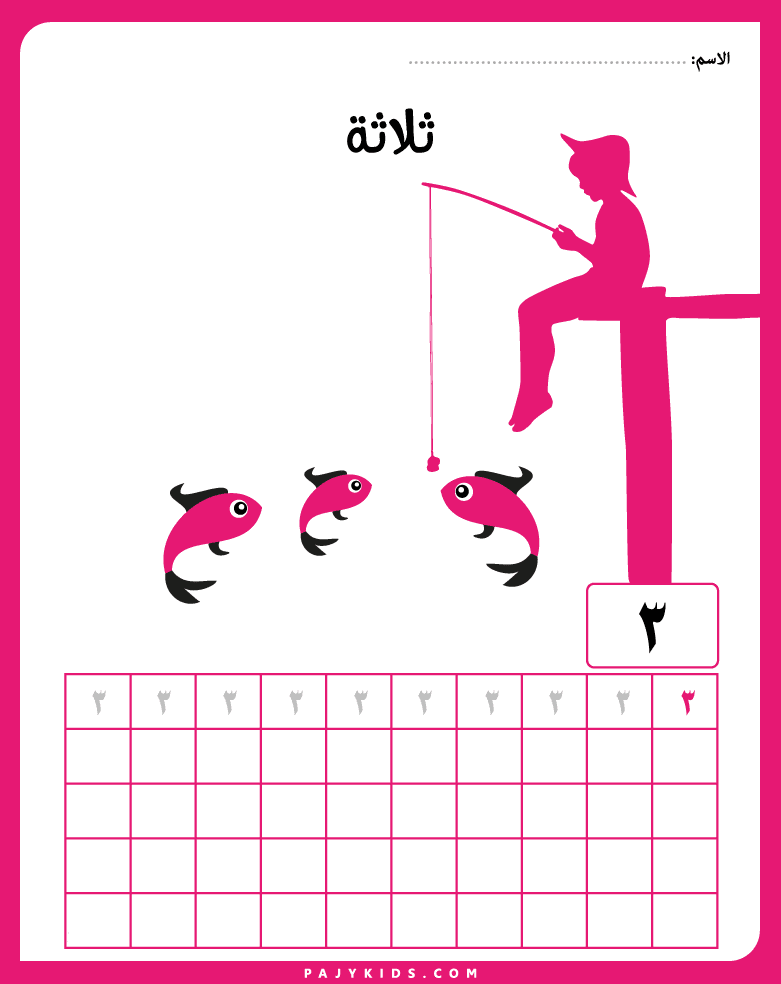
Repetition is essential in early learning, but it must be structured thoughtfully. Tracing activities often progress from large numbers to smaller ones, and from guided tracing to partial independence. This gradual increase in difficulty helps children experience success at each stage. As they repeatedly trace an arabic digit, their confidence grows, encouraging them to attempt writing numbers on their own.
Integrating Tracing Exercises at School and Home
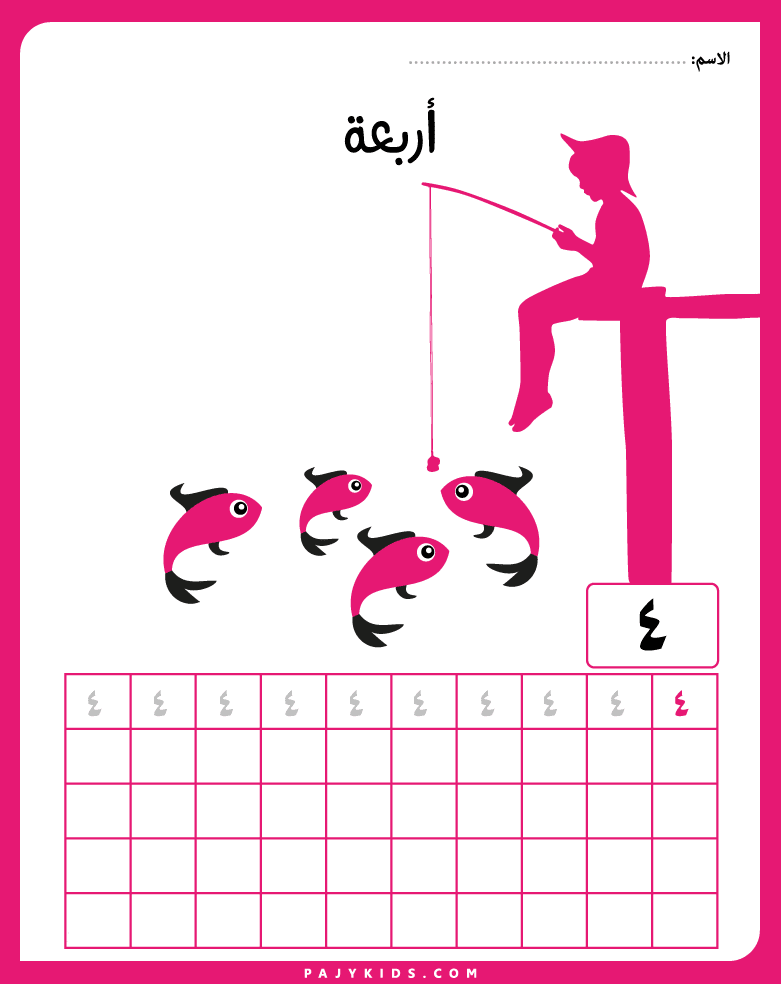
Consistency between classroom and home learning significantly enhances results. Teachers introduce tracing techniques in a structured environment, while parents can reinforce the same skills through short, relaxed practice sessions. When children regularly engage with arabic digit tracing in different settings, learning becomes more stable, familiar, and long-lasting.
Arabic Numeric Learning for Kindergarten
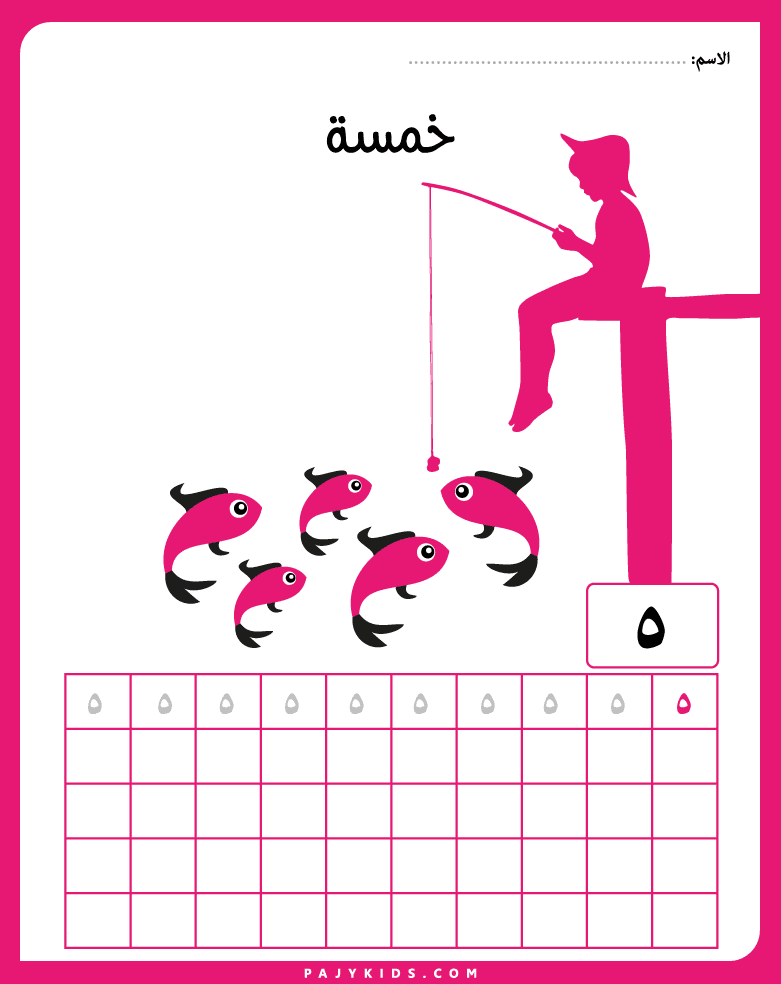
Tracing numbers is a powerful early learning tool that supports writing, numeracy, and motor development. When introduced correctly, arabic digit tracing exercises transform number learning into a positive and confidence-building experience. By combining clear instruction, engaging visuals, and consistent practice, educators and parents can help kindergarten children build strong foundations that support future academic success.