Table of contents
Early math learning focuses on helping children understand how numbers relate to one another in a clear and logical way. ascending number exercises introduce kindergarten learners to the concept of ordering numbers from the smallest to the largest through simple, engaging activities. When taught with visuals and hands-on practice, this skill strengthens number sense and builds confidence for future math learning.
Understanding Number Order in Early Childhood
Before children can order numbers correctly, they need to recognize that numbers have different values. Learning to compare which number is smaller or larger develops critical thinking and observation skills. Through guided practice, children begin to understand sequences and patterns, which are essential foundations for arithmetic and problem-solving later on.
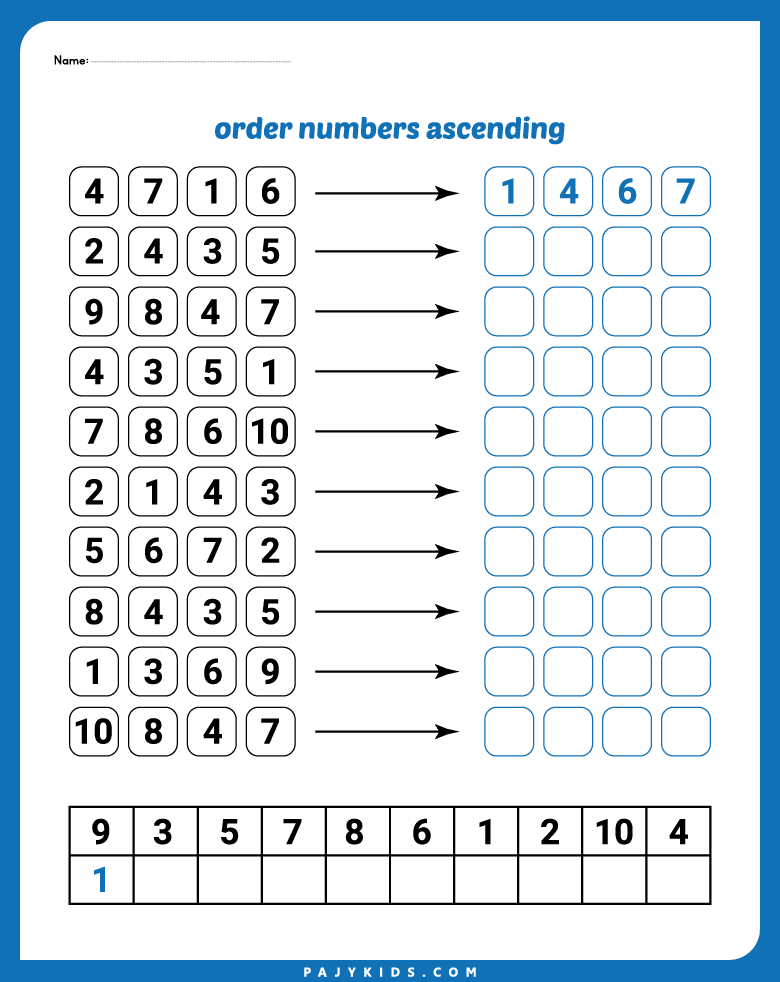
Ascending Number Activities Using Visual Comparisons
Visual comparison is one of the most effective ways to teach ordering. Number cards, pictures, and illustrated quantities allow children to see differences clearly. Working with ascending number tasks in this format helps children identify the smallest value first and continue the sequence accurately, reducing confusion and encouraging independent thinking.
Hands-On Materials to Support Learning
Kindergarten learners benefit greatly from tactile experiences. Using blocks, counters, or everyday objects allows children to physically arrange items from least to greatest. These concrete activities make abstract ideas more accessible and memorable. Practicing ascending number ordering with manipulatives keeps children engaged and supports deeper understanding.
Division for Kindergarten: Simple Strategies for Learning Math
Building Cognitive and Fine Motor Skills Together
Many ordering activities involve drawing lines, writing numbers, or placing items carefully, which supports fine motor development alongside math learning. As children complete ascending number exercises, they improve hand–eye coordination, focus, and attention to detail. These combined skills contribute to overall classroom readiness.
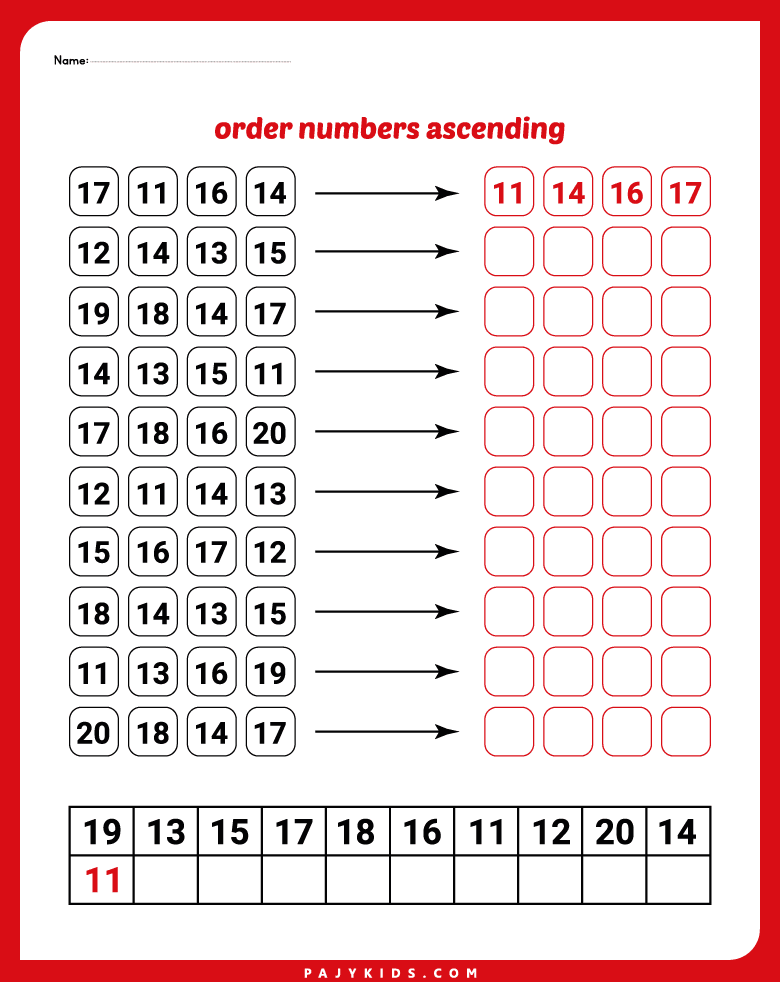
Reinforcing Skills at School and Home
Consistency strengthens learning outcomes. Teachers can introduce structured ordering activities during classroom lessons, while parents reinforce the same concepts at home using simple routines like arranging toys or counting steps. Regular practice with ascending number ordering in different environments helps children retain and apply what they learn.
Ordering numbers from smallest to largest is a key early math skill that supports logical thinking and number sense. When taught through clear visuals, hands-on materials, and gradual progression, ascending number exercises become both effective and enjoyable. These early experiences prepare kindergarten children for more advanced math concepts with confidence and enthusiasm.