Table of contents
Helping children connect with nature is one of the most meaningful learning experiences parents and teachers can provide. A classroom garden activity for kids is a simple but powerful way to introduce children to the wonders of plant growth, responsibility, and teamwork.
When children plant seeds, water them, and watch them grow, they learn that small actions can lead to big results. Gardening also encourages curiosity about the natural world and teaches patience, an essential life skill.
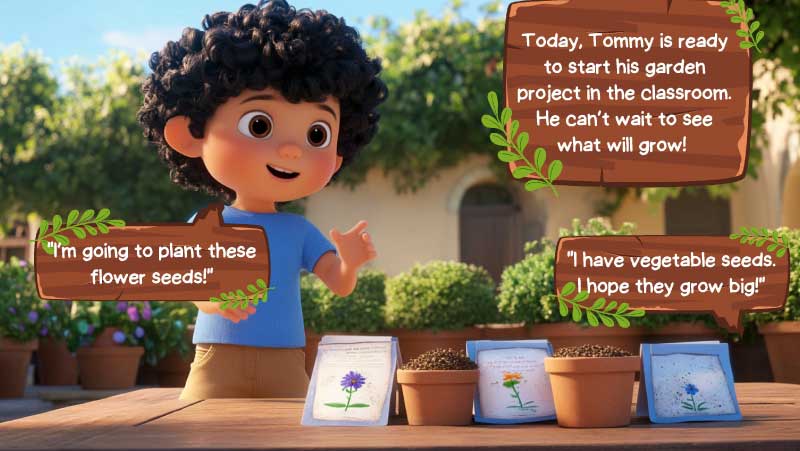
In the illustrated learning activity provided, children follow a story about young students who start their own garden project. They carefully plant seeds, water them, place them in sunlight, and celebrate as their plants grow strong. The activity demonstrates the step-by-step process of growing plants while keeping children engaged with colorful characters and simple storytelling.
This kind of hands-on experience makes learning about nature exciting and memorable for young learners.
What This Activity Teaches Children
A gardening activity may look simple, but it supports several important areas of early childhood development.
Understanding the Plant Life Cycle
Children discover how plants grow from seeds into living plants. The story shows kids planting seeds, watering them, and later seeing them sprout and grow taller. This introduces the basic plant life cycle in a visual and easy-to-understand way.
Young learners begin to understand that plants need specific conditions, soil, water, and sunlight to grow.
Responsibility and Care
When children take care of a plant, they learn that living things require attention and consistency.
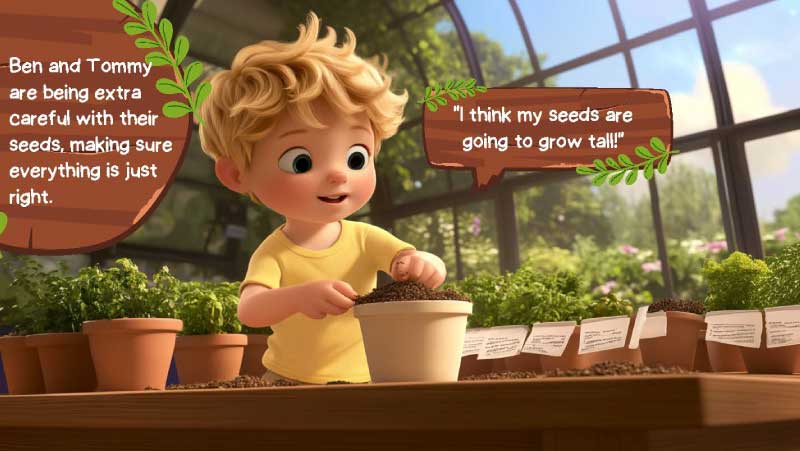
In the activity, the children carefully plant seeds, check on their pots, and water them regularly. These small tasks teach kids responsibility in a gentle and rewarding way.
Patience and Delayed Gratification
Gardening is a wonderful lesson in patience.
Children quickly realize that plants don’t grow overnight. They must wait and care for them daily. When the plants finally sprout, the sense of accomplishment is incredibly rewarding.
Fine Motor Skills
Planting seeds, scooping soil, and watering small pots all help children practice fine motor coordination.
These hands-on actions strengthen the muscles used for writing, drawing, and other classroom tasks.
Observation and Curiosity
Children naturally start asking questions during gardening activities:
- Why do plants need sunlight?
- How long does it take for seeds to grow?
- Why do some plants grow faster than others?
These questions spark curiosity and encourage scientific thinking.
Teamwork and Cooperation
In the activity story, the children work together to grow their garden. This encourages collaboration and sharing responsibility, skills that are valuable both in school and at home.
How Parents Can Use This Activity With Their Child
You don’t need a large garden to try this activity. A few small pots on a windowsill can create a wonderful learning experience.
Here is a simple way to guide your child through the activity.
Step 1: Introduce the Idea of Growing Plants
Start by explaining that plants grow from tiny seeds.
You might ask questions such as:
- “What do you think will happen if we plant this seed?”
- “What do plants need to grow?”
This builds curiosity before the activity begins.
Step 2: Prepare the Planting Materials
Gather simple supplies:
- Small pots or containers
- Soil or potting mix
- Seeds (flowers, herbs, or vegetables)
- A small watering can
Let your child help fill the pots with soil.
Step 3: Plant the Seeds
Show your child how to gently place seeds in the soil.
Encourage them to:
- Make a small hole
- Place the seed inside
- Cover it lightly with soil
Children enjoy this tactile experience.
Step 4: Water the Seeds
Explain that water helps the seeds grow.
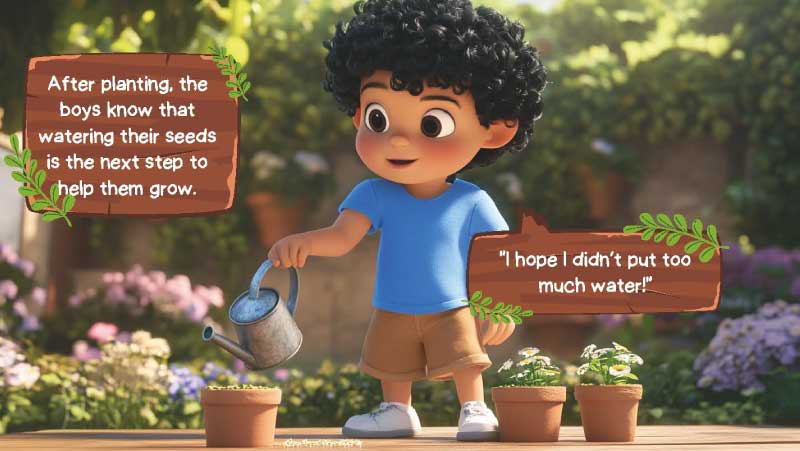
Let your child carefully water the soil without soaking it too much.
Step 5: Place the Plants in Sunlight
Just like the character on page 7 of the activity, who carefully places his plant near a sunny window, children learn that sunlight helps plants grow strong.
Choose a bright spot in your home.
Step 6: Observe and Care for the Plants
Encourage your child to check the plant every day.
You can ask questions like:
- “Do you see any tiny leaves yet?”
- “Is the plant taller today?”
Watching the progress makes the experience exciting.
Tips to Make This Activity Fun
Children learn best when activities feel like play.
Here are some ways to make the gardening experience even more engaging.
Let Kids Decorate Their Pots
Provide markers, stickers, or paint so children can personalize their plant containers.
This creates a sense of ownership.
Turn It Into a Daily Routine
Create a “plant check” time each day where your child waters the plant and observes its growth.
Consistency helps reinforce responsibility.
Create a Growth Chart
Measure the plant once a week and record the height.
Children love seeing visible progress.
Give Plants Names
Kids often enjoy naming their plants. It adds personality and excitement to the activity.
Read Stories About Plants
Pair the activity with books about nature and plant growth to deepen understanding.
Ways to Extend the Activity
Once your child enjoys the basic planting activity, you can expand the learning experience.
Start a Mini Indoor Garden
Add more plants over time to create a small indoor garden.
Children can compare how different plants grow.
Introduce Vegetable Gardening
Growing vegetables helps children understand where food comes from.
It also encourages healthier eating habits.
Create a Plant Journal
Ask your child to draw pictures of the plant as it grows.
This combines science with creativity.
Explore Outdoor Gardening
If space allows, try planting in a backyard or community garden.
Outdoor gardening provides even more opportunities for discovery.
Learn About Pollinators
Introduce children to bees, butterflies, and other pollinators that help plants grow.
This expands their understanding of ecosystems.
Activity Preview
In this engaging learning activity, children follow a story about a group of kids who begin a classroom gardening project.
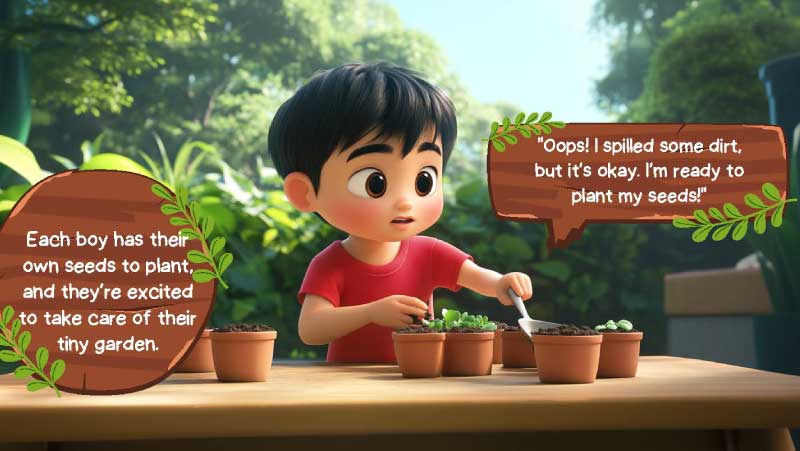
The story begins with a child excited to plant flower and vegetable seeds. Small pots are filled with soil, and each child carefully plants their own seeds.
As shown in the illustrated scenes, the children sometimes make small mistakes, like spilling soil, but they continue learning and trying again.
Next, they water their plants and place them where sunlight can help them grow. Over time, the seeds sprout into small green plants.
Later scenes show the children proudly observing their growing plants and celebrating the results of their patience and care.
The story concludes with the children realizing that gardening takes time, teamwork, and responsibility, but the reward is seeing something beautiful grow from their efforts.
Simple Ways to Try This Activity Today
- Choose a few easy-to-grow seeds and small pots.
- Help your child plant the seeds and gently water them.
- Place the pots near a sunny window.
- Check the plants daily and talk about any changes you notice.
- Celebrate when the first sprouts appear.
Even a single plant can create an exciting learning moment.
Conclusion
Children learn best through experiences that combine curiosity, creativity, and hands-on exploration. A simple gardening activity can teach patience, responsibility, and an appreciation for nature.
By planting seeds and caring for them each day, children witness the magic of growth right before their eyes. These small moments, watering a plant, noticing new leaves, celebrating the first sprout—create lasting memories and valuable life lessons.
With just a few simple materials and a little time, parents and teachers can turn an everyday activity into a meaningful learning adventure that children will always remember.