Table of contents
Coloring is one of the simplest yet most powerful activities you can offer your child. While it may look like just a fun pastime, coloring plays a crucial role in early childhood development. With engaging coloring pages for kids, especially those featuring cute animals and familiar shapes, children can learn, explore, and grow in a relaxed and enjoyable way.
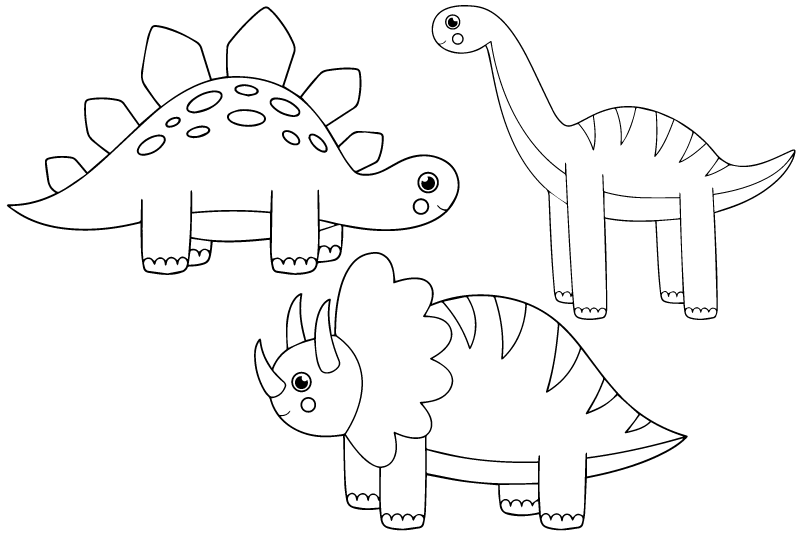
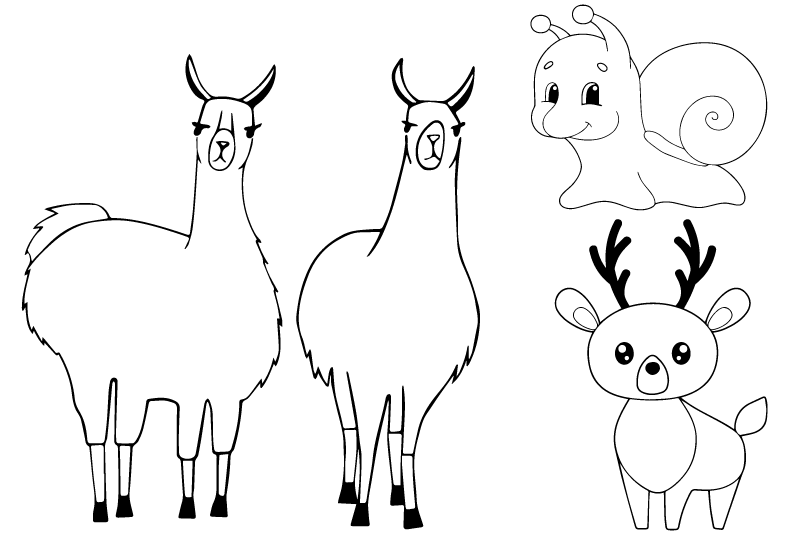
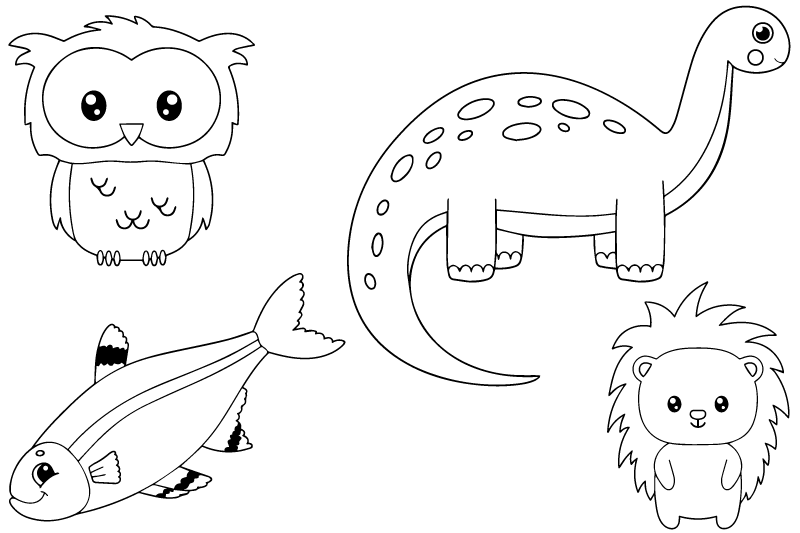
The materials provided showcase a wide variety of adorable animal illustrations, from deer and llamas to dinosaurs, fish, and friendly cartoon animals. These kinds of images naturally attract children’s attention and encourage them to participate enthusiastically.
In this article, we’ll explore how parents and educators can turn simple coloring activities into meaningful learning experiences.
What This Activity Teaches Children
Coloring activities offer much more than entertainment. They support multiple areas of development in young children.
Fine Motor Skills Development
When children hold crayons, markers, or colored pencils, they strengthen the small muscles in their hands and fingers. This is essential for writing, cutting, and other everyday tasks.
Hand-Eye Coordination
Coloring within lines helps children coordinate what they see with how they move their hands, improving precision and control.
Creativity and Self-Expression
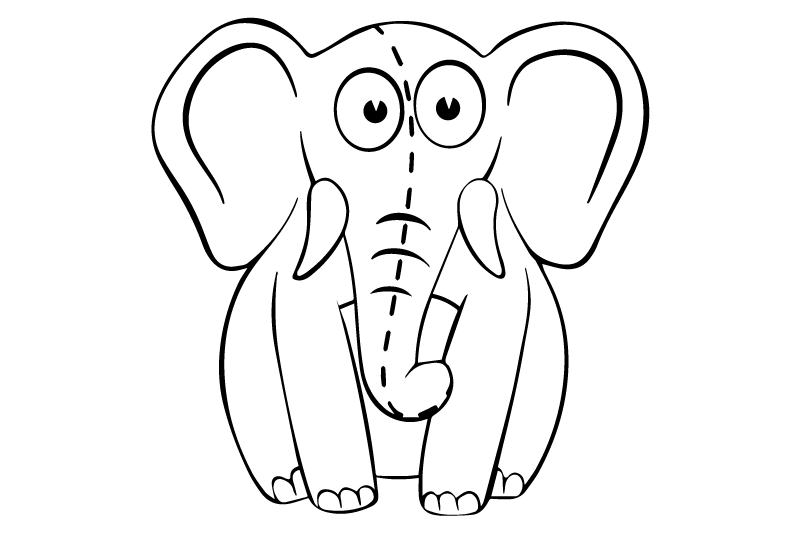
Children are free to choose colors and experiment. A purple elephant or a rainbow fish is not “wrong”—it’s creativity in action.
Focus and Concentration
Completing a coloring page requires attention and patience. Over time, this helps children build longer attention spans.
Animal Recognition and Awareness
With a variety of animals included—such as lions, owls, whales, and dinosaurs—children become familiar with different creatures and can begin learning their names and habitats.
Early Learning Skills
Coloring can also support early academic concepts like identifying shapes, patterns, and even storytelling when combined with conversation.
How Parents Can Use This Activity With Their Child
Turning coloring into a meaningful learning moment doesn’t require complicated preparation. Here’s a simple approach:
Step 1: Set Up a Comfortable Space
Choose a quiet, well-lit area with a flat surface. Make sure all coloring tools are within reach.
Step 2: Let Your Child Choose
Offer a few different animal coloring pages and allow your child to pick their favorite. This builds independence and excitement.
Step 3: Start with a Conversation
Before coloring begins, talk about the image:
- “What animal is this?”
- “Where do you think it lives?”
- “What color could it be?”
Step 4: Encourage Without Controlling
Let your child color freely. Avoid correcting their choices. The goal is expression, not perfection.
Step 5: Celebrate the Finished Work
Display their artwork on the wall or fridge. This boosts confidence and pride in their effort.
Tips to Make This Activity Fun
Keeping children engaged is key to making the most of coloring activities.
- Use a variety of coloring tools: crayons, markers, and even watercolor paints
- Play soft background music to create a calming environment
- Color together to model enthusiasm and build connection
- Turn it into a game: “Let’s find three different colors for this animal!”
- Create a reward system: not for perfection, but for effort and focus
Coloring Pages for Kids: A Simple Activity That Builds Focus, Creativity, and Confidence
Ways to Extend the Activity
Once your child enjoys basic coloring, you can expand the activity to deepen learning.
1. Storytelling Time
Ask your child to create a story about the animal they colored.
Example: “Where is this dinosaur going today?”
2. Learn Animal Facts
Introduce simple facts:
- “A whale lives in the ocean.”
- “Owls are awake at night.”
3. Add Craft Elements
Enhance the page with:
- cotton for fluffy animals
- glitter for underwater scenes
- stickers for decoration
4. Practice Colors and Vocabulary
Use the activity to teach color names and descriptive words like “big,” “soft,” or “fast.”
5. Movement Activities
After coloring, ask your child to imitate the animal’s movement or sound. This adds a physical learning element.
Activity Preview
The activity includes a wide range of simple, child-friendly illustrations designed specifically for easy coloring.
Children will see:
- Cute animals with large eyes and simple shapes
- Dinosaurs with rounded edges and minimal detail
- Sea creatures like fish and whales
- Forest animals such as deer and foxes
Each image has bold outlines and clear spaces, making it easy for young children to color within the lines. The task is straightforward: choose colors and fill in the shapes. However, the possibilities for creativity are endless.
Simple Ways to Try This Activity Today
- Choose one animal coloring page and set aside 15 minutes for a focused coloring session
- Let your child pick their favorite colors without guidance
- Talk about the animal while your child colors
- Join your child and color together for bonding time
- Display the finished artwork to celebrate their effort
Conclusion
Coloring may seem like a small activity, but it carries big benefits for your child’s development. Through simple coloring pages for kids, children build essential skills while enjoying a calm and creative experience.
By taking a few moments each day to engage in this activity with your child, you’re not only supporting their learning—you’re also creating meaningful memories together. Sometimes, the most powerful learning happens through the simplest moments.