Table of contents
Early math success begins with simple, meaningful activities that help children understand numbers in real contexts. counting is the foundation that allows kindergarten learners to grasp the idea of addition naturally, by seeing how quantities grow when objects are combined. When exercises are designed to be visual, hands-on, and age-appropriate, children develop confidence and curiosity toward math from an early age.
The Role of Counting in Understanding Addition
Before children can solve addition problems, they need a clear sense of quantity. Through counting, children learn that numbers represent real amounts, not just symbols on a page. This understanding helps them see addition as the process of combining groups, rather than memorizing equations. Simple activities such as counting toys or classroom objects make addition meaningful and easy to grasp.
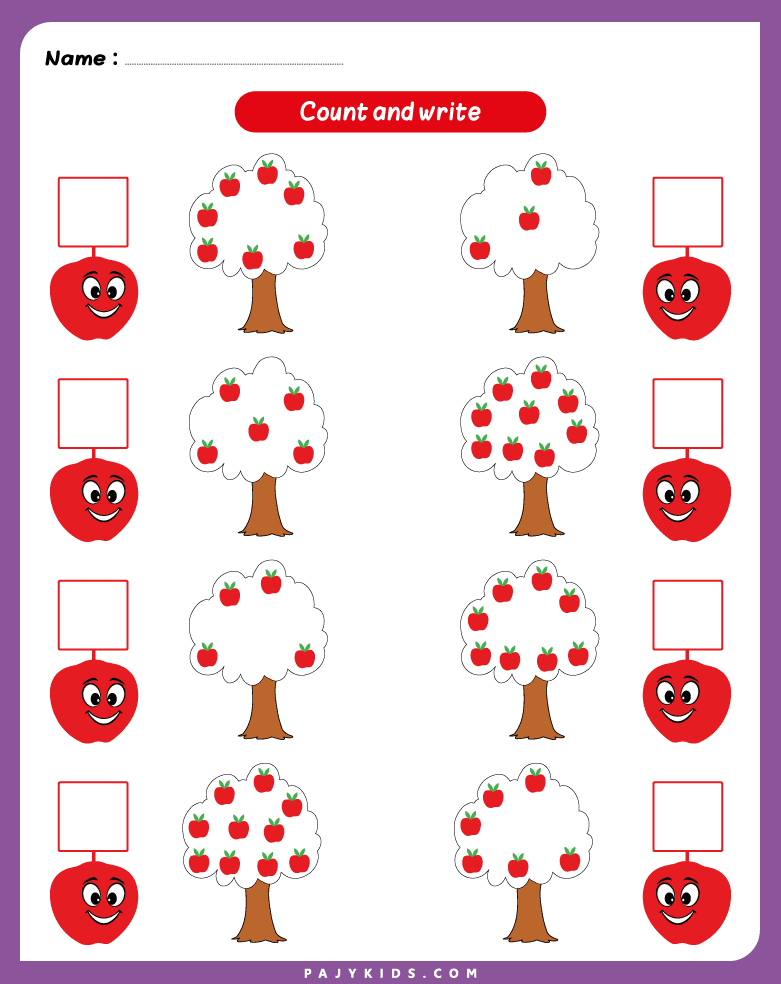
Hands-On Exercises That Build Number Sense
Kindergarten learners benefit greatly from tactile activities. Using counters, blocks, or everyday items allows children to touch, move, and group objects while practicing addition. These exercises strengthen counting skills and help children visually track quantities as they increase. Hands-on learning keeps children engaged and supports deeper understanding.
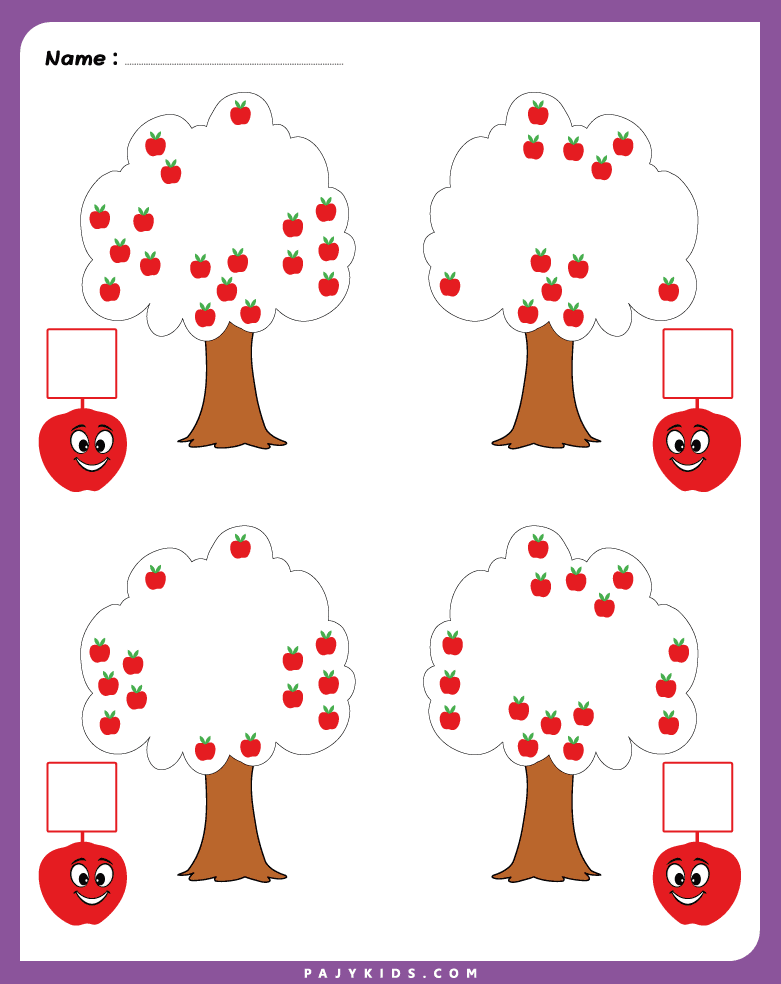
Visual Tools That Support Early Math Learning
Pictures, number lines, and illustrated worksheets play an important role in early math education. Visual tools help children follow steps clearly and reduce confusion. When addition exercises are paired with counting visuals, children can see each step of the process, making learning more structured and less intimidating.
Building Fine Motor and Cognitive Skills Together
Many addition activities require drawing, circling, or matching, which supports fine motor development alongside math learning. As children write numbers or mark answers, they improve hand–eye coordination and focus. At the same time, counting exercises strengthen memory, attention, and logical thinking in a balanced way.
Division for Kindergarten: Simple Strategies for Learning Math
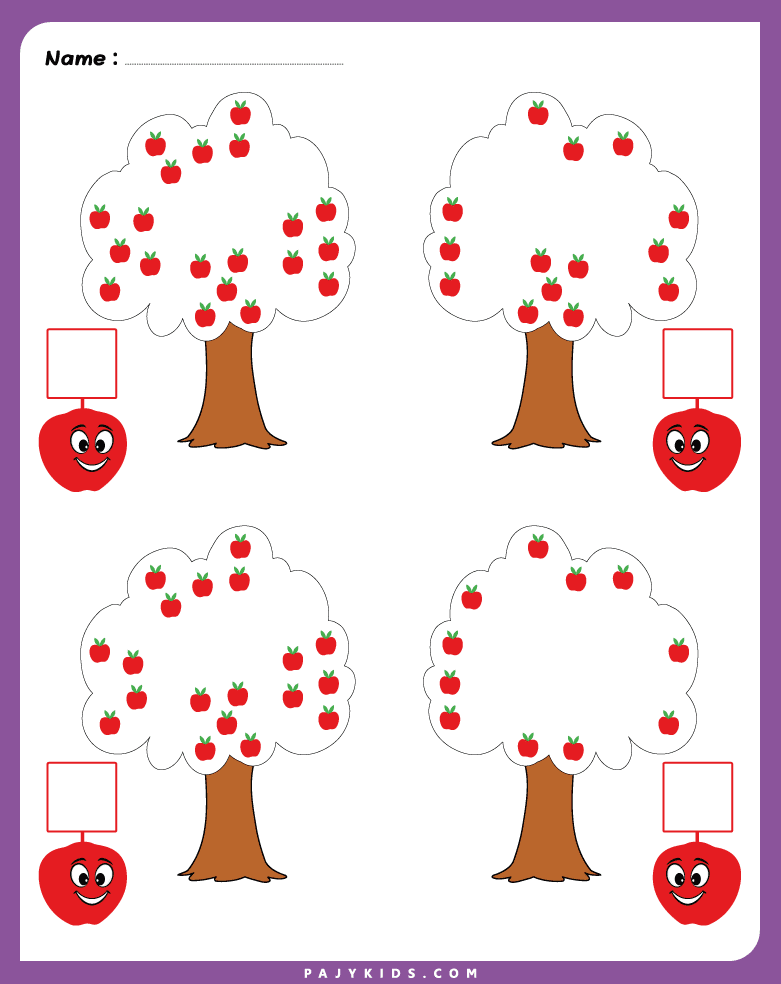
Reinforcing Learning Through Daily Practice
Consistency helps young learners retain new skills. Short daily activities at school and home allow children to practice addition in familiar settings. Integrating counting into everyday routines, such as setting the table or sorting toys, reinforces learning naturally and makes math part of daily life.
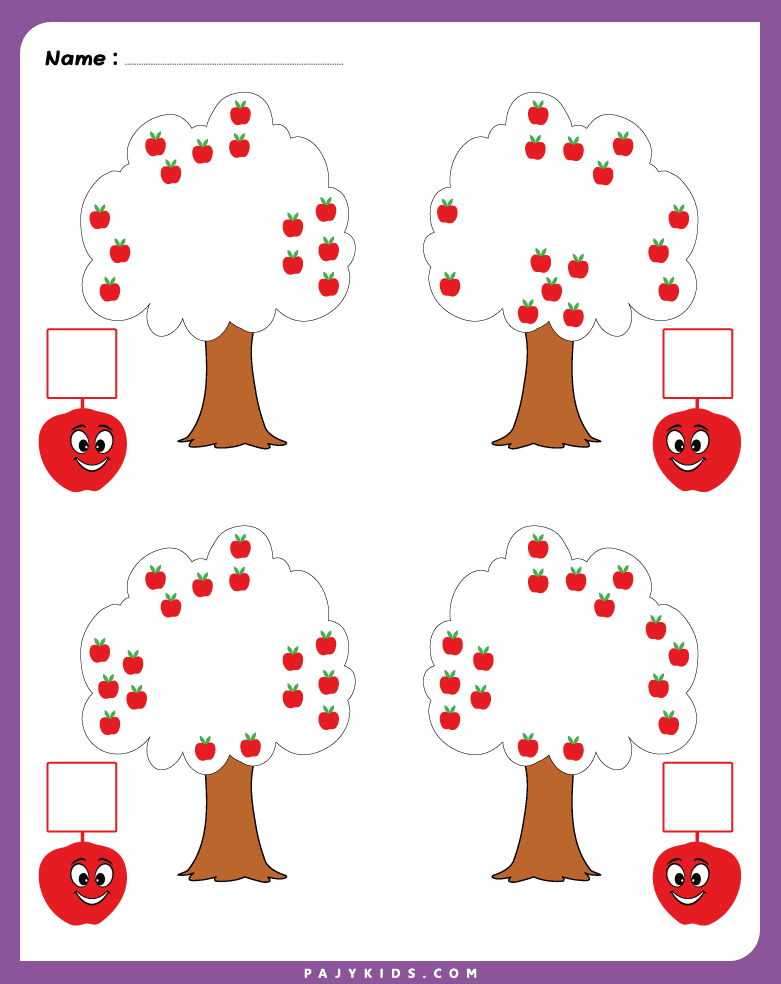
Effective kindergarten math instruction relies on simplicity, repetition, and engagement. When addition exercises are built on strong counting foundations, children develop number sense, confidence, and problem-solving skills. These early experiences create a positive relationship with math and prepare young learners for more advanced concepts in the years ahead.