Table of contents
Directions for Kindergarten: Learning basic directions is a fundamental skill for young children, as it helps them develop spatial awareness and navigate their environment with confidence. The provided document offers a clear visual guide to key directional concepts. These visuals are a helpful resource for teaching directions for kindergarten, covering both simple movements and the cardinal points of a compass. This resource can be used in a variety of educational settings to make learning directions fun and effective.
Directions for Kindergarten: Up, Down, Left, and Right
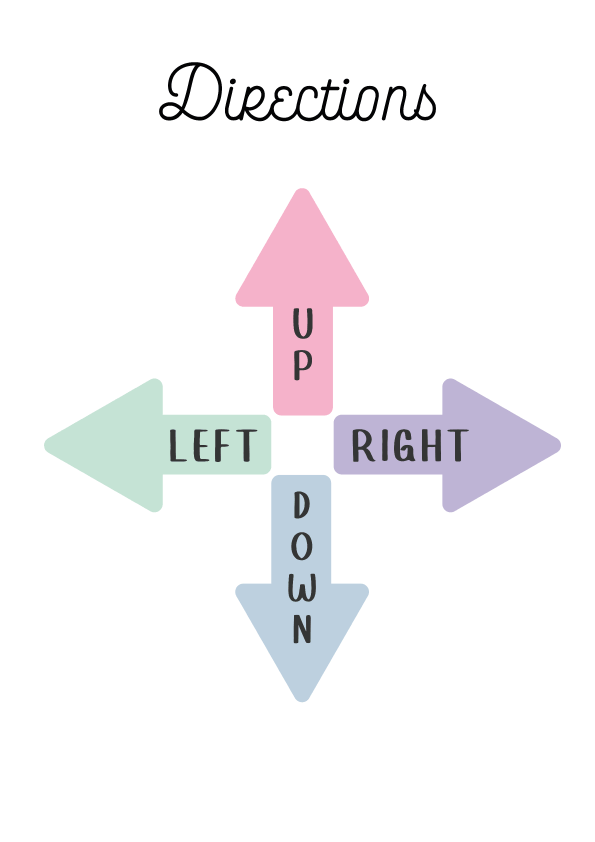
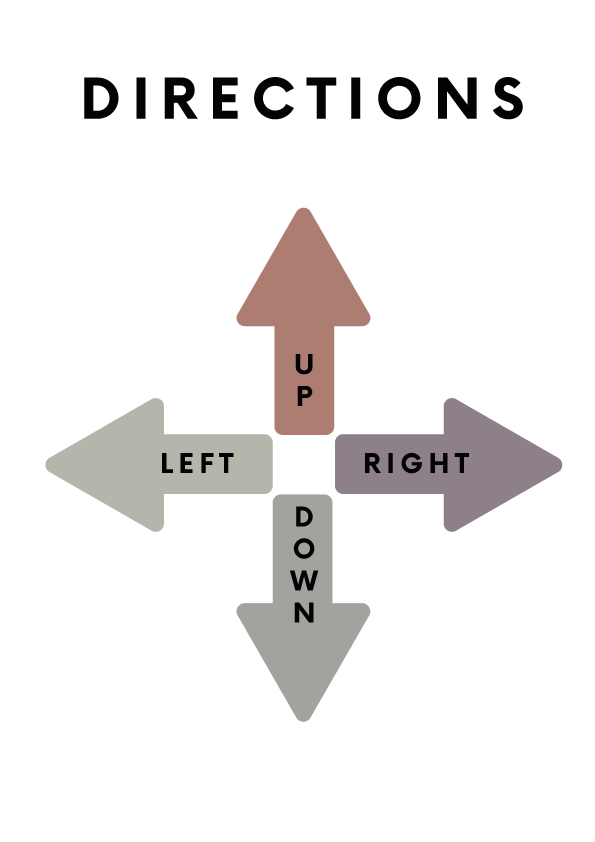
The most basic directions for kindergarten are up, down, left, and right. The document illustrates these concepts with simple, clear arrows. Teaching these four directions helps children understand how to move within a space. For example, a child can follow instructions like “walk two steps up” or “turn left at the door.” This builds a foundation for more complex directional understanding and can be a fun activity using their own bodies.
Directions for Kindergarten: Introducing the Compass Rose
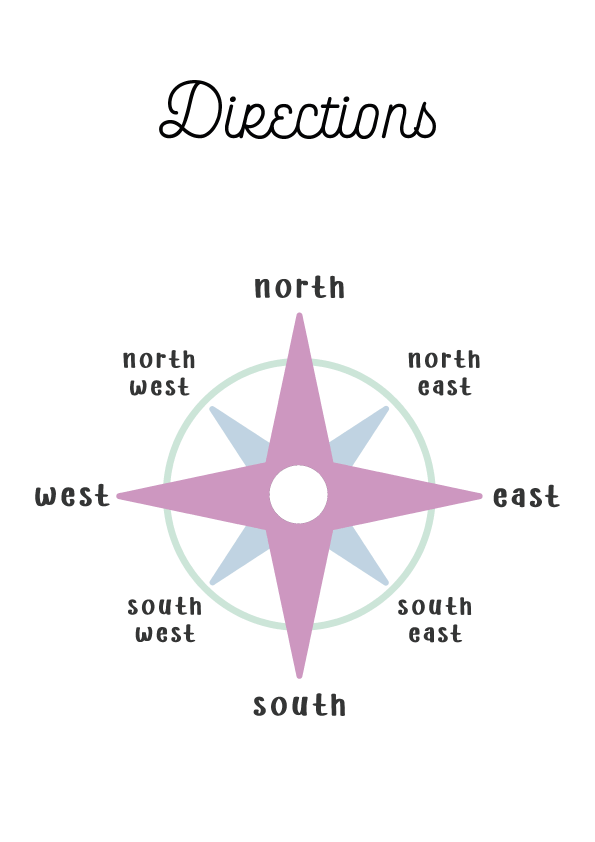
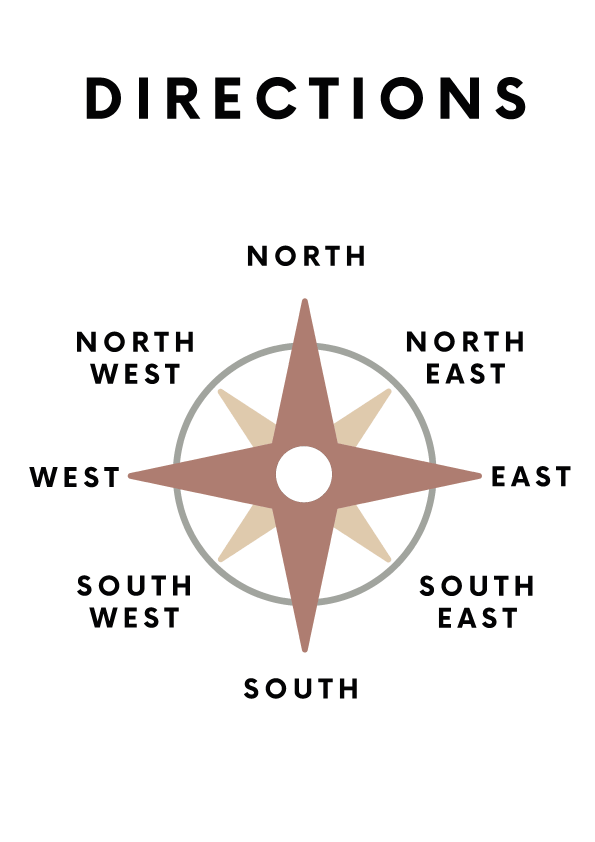
The document introduces the cardinal directions: North, South, East, and West. This concept is presented using a compass rose. Introducing the compass rose is a great way to show children how different directions relate to each other. This is an important step in teaching directions for kindergarten, moving beyond simple movements to a broader understanding of how we locate places in the world.
Directions for Kindergarten: Learning Intermediate Directions
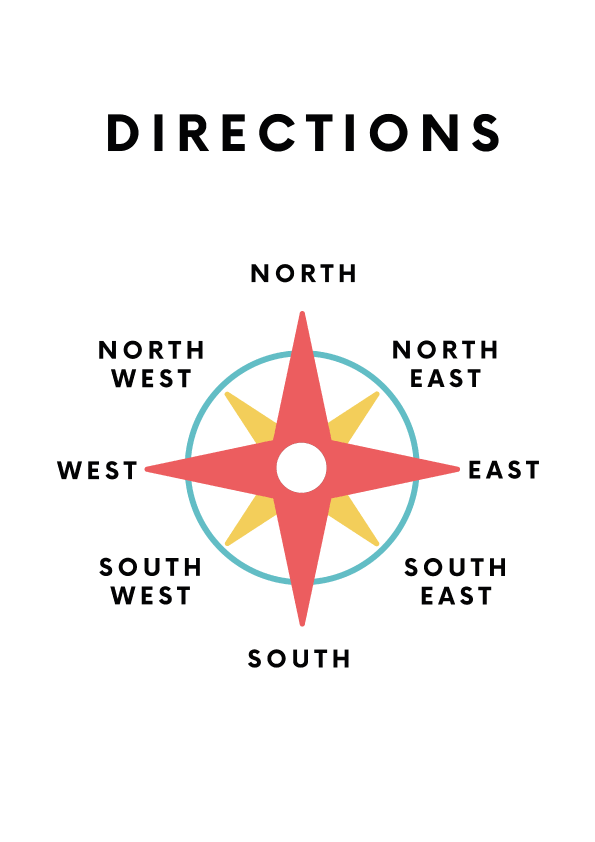
In addition to the main cardinal points, the document also shows the intermediate directions: Northeast, Northwest, Southeast, and Southwest. This can be a more advanced concept, but the clear visual representation makes it accessible. These visuals make it easier to teach directions for kindergarten and show children how to describe a location with more detail. For example, they can learn to say “the park is to the northeast of my house.”
Directions for Kindergarten: The Importance of Visual Aids
The use of bright, simple illustrations in the document is a key educational strategy. Visual aids are essential when teaching directions for kindergarten as they help children make a concrete connection between a word and its meaning. By repeatedly seeing the words “up” and “down” paired with corresponding arrows, they can quickly grasp the concepts. Similarly, seeing the compass rose helps them visualize and remember where each direction is located.
Directions for Kindergarten: Building Real-World Skills
Learning directions goes beyond the classroom and is a crucial life skill. A solid understanding of directions for kids helps children follow instructions, navigate a playground, or even understand simple maps. This document provides a fantastic starting point for building these skills. By learning these concepts early, children will be better equipped to understand their surroundings and interact with the world around them.
Affirmation Cards for School and Kindergarten Learners