Table of contents
Kindergarten work sheets are one of the best tools parents and teachers can use to support early learning. In a world where young children are surrounded by screens, colorful and engaging printable worksheets offer a hands-on, creative way to learn essential skills. Whether it’s practicing letters, counting numbers, identifying colors, or tracing shapes, kindergarten work sheets make learning enjoyable and effective — right from the comfort of home.
In this article, we’ll explore the benefits of kindergarten work sheets, the subjects they cover, how to use them effectively, and where to find the best free printable resources. By the end, you’ll have a complete guide to turning everyday learning into an exciting experience your child will love.
Why Kindergarten Work Sheets Are Essential for Early Learning
Children in kindergarten are at a critical stage of brain development. They learn best through play, repetition, and hands-on experiences. Kindergarten work sheets combine all of these in one simple format.
Here’s why these worksheets are so valuable for early learners:
- Structured Learning at Home – Worksheets help parents create a routine that mirrors classroom learning, ensuring continuity even outside school.
- Skill Reinforcement – Each worksheet targets specific learning outcomes such as phonics, counting, or fine motor development.
- Confidence Building – Completing worksheets independently gives children a sense of accomplishment and pride.
- Visual Learning – Bright pictures and clear instructions help visual learners grasp new concepts quickly.
- Screen-Free Time – Kindergarten work sheets encourage learning through touch, drawing, and writing instead of digital devices.
Types of Kindergarten Work Sheets
Kindergarten work sheets come in many forms, each designed to develop a different set of skills. Below are the main categories every parent or teacher should include in their collection.
1. Alphabet and Phonics Worksheets
Alphabet worksheets help children recognize letters, practice handwriting, and build phonemic awareness. Activities often include tracing uppercase and lowercase letters, matching letters to pictures, and finding letters in simple words.
For example:
- Trace and color the letter “A.”
- Circle pictures that start with the letter “B.”
- Match lowercase letters to their uppercase partners.
Phonics kindergarten work sheets take it further by introducing the sounds letters make, preparing kids for reading and spelling.
2. Math Worksheets
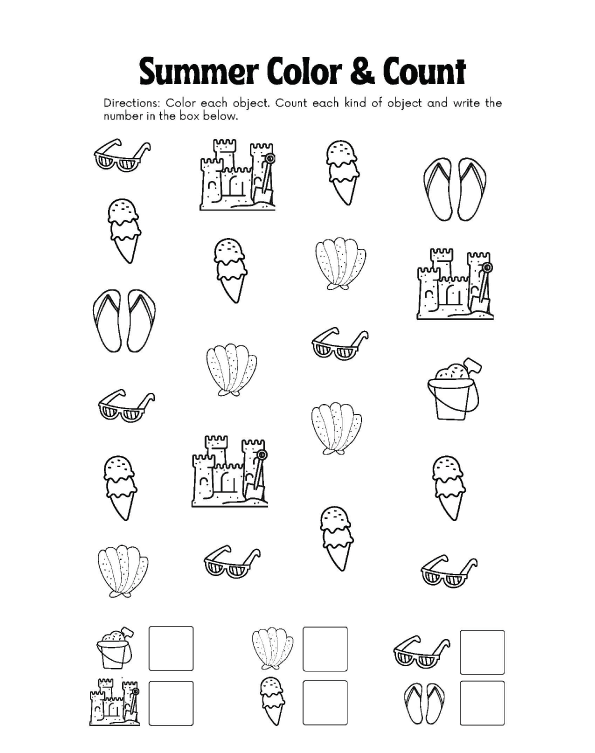
Math is one of the most popular subjects for kindergarten work sheets. These worksheets teach foundational skills such as number recognition, counting, addition, and subtraction.
Examples include:
- Counting objects up to 20.
- Simple addition using pictures.
- Number tracing for 1–100.
- Learning shapes and patterns.
The best math worksheets combine fun visuals — like animals or toys — with clear instructions that guide children step-by-step.
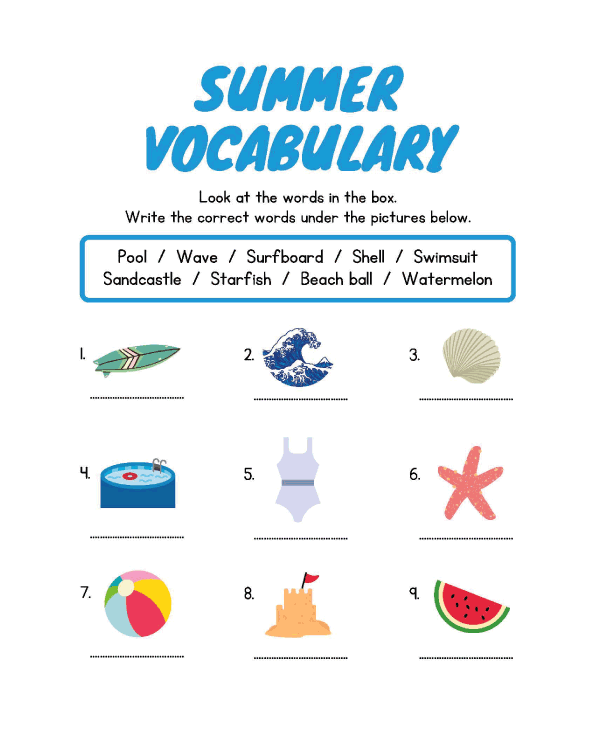
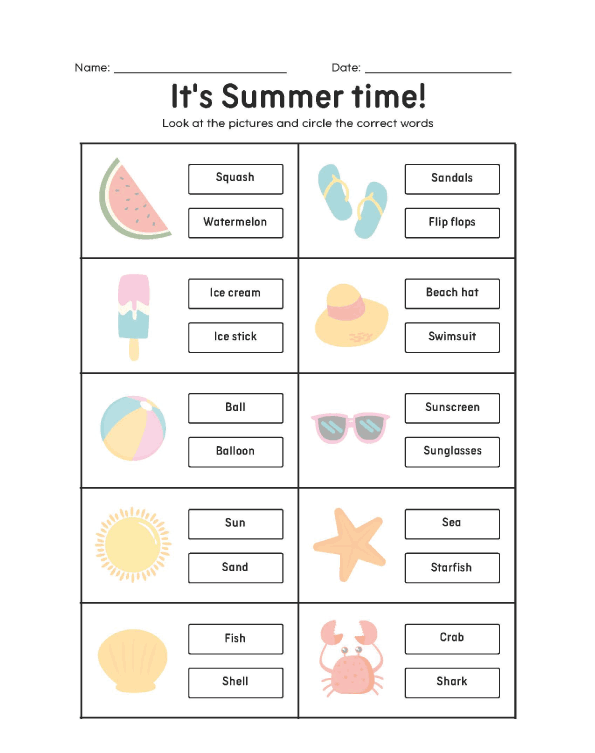
3. Reading and Sight Word Worksheets
Reading readiness is a cornerstone of kindergarten education. Reading worksheets help children build vocabulary, comprehension, and sight word recognition.
Examples:
- Circle the sight word “the” in a sentence.
- Match pictures to their corresponding sight words.
- Fill in missing letters to complete simple words.
When kids use kindergarten work sheets for reading, they gradually move from recognizing letters to reading short sentences confidently.
4. Writing and Tracing Worksheets
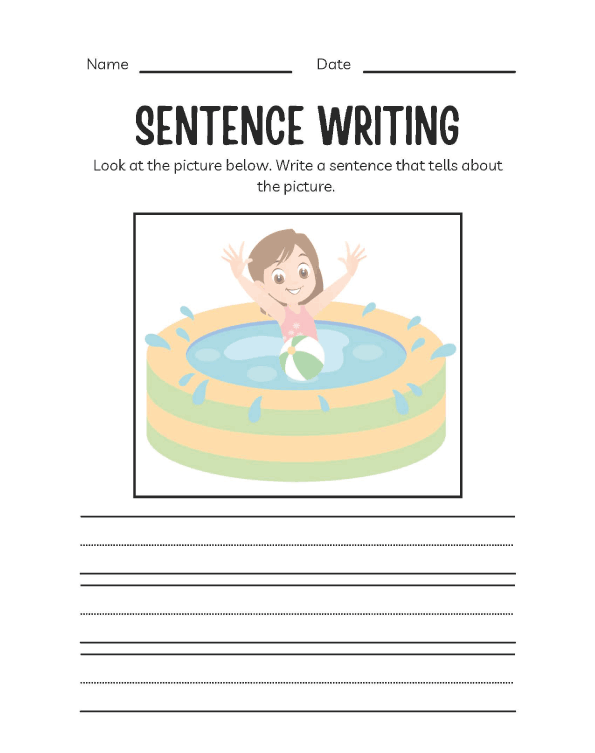
Developing fine motor skills is crucial at this age. Writing and tracing kindergarten work sheets guide children to form letters, numbers, and shapes correctly.
Activities include:
- Tracing dotted lines to complete pictures.
- Practicing handwriting on ruled lines.
- Writing their name, simple words, or short sentences.
These worksheets not only teach writing but also improve concentration, grip, and hand-eye coordination.
5. Science Worksheets
Even at the kindergarten level, kids can start exploring science concepts. Science kindergarten work sheets introduce the basics of nature, weather, plants, animals, and the human body in simple terms.
Examples:
- Label parts of a plant.
- Match animals to their habitats.
- Sort pictures into “living” and “non-living” categories.
These activities build curiosity and help kids understand the world around them.
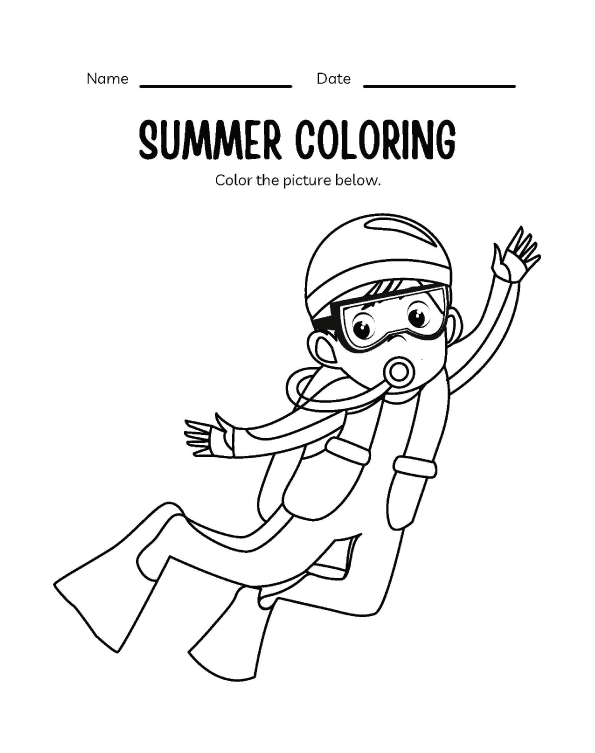
6. Art and Coloring Worksheets
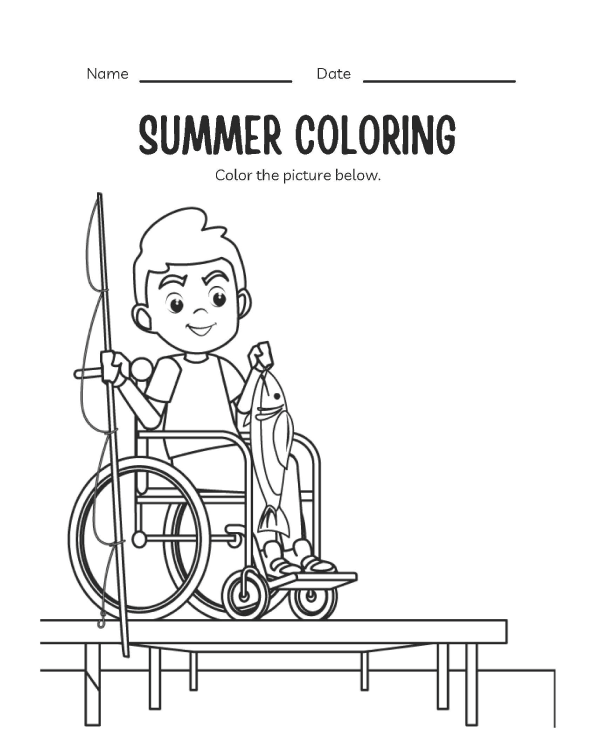
Creativity is essential for early development. Art-based kindergarten work sheets let kids color, draw, and express themselves freely while learning about shapes, colors, and patterns.
Coloring worksheets also:
- Improve focus and patience.
- Encourage decision-making (choosing colors, filling patterns).
- Strengthen hand control for future writing skills.
7. Social Studies and Emotional Learning Worksheets
Beyond academic subjects, kindergarten work sheets can teach life skills and emotional awareness. Social studies worksheets help children understand community roles, holidays, and good manners. Emotional learning worksheets introduce feelings, empathy, and self-regulation.
Examples:
- Match pictures of emotions (happy, sad, surprised).
- Identify helpers in the community (firefighter, doctor, teacher).
- Color a “kindness chart” showing good behavior.
Benefits of Using Kindergarten Work Sheets at Home
Using kindergarten work sheets at home transforms ordinary moments into meaningful learning experiences. Here are the biggest benefits:
1. Learning Becomes Playful
Kids love coloring, drawing, and solving puzzles. Worksheets turn these fun activities into lessons that teach literacy, numeracy, and reasoning.
2. Promotes Parent-Child Interaction
Completing kindergarten work sheets together helps parents understand their child’s progress and learning style. It also strengthens emotional bonds through shared activities.
3. Builds Independence
Over time, children learn to complete worksheets on their own — fostering self-discipline, focus, and confidence.
4. Adapts to Every Learning Style
Whether your child learns better visually, through touch, or repetition, kindergarten work sheets can be tailored to fit. Printable resources can also be adjusted to suit different difficulty levels.
5. Affordable and Accessible
Many websites offer free downloadable worksheets. With just a printer and crayons, parents can provide quality education without expensive materials or subscriptions.
How to Use Kindergarten Work Sheets Effectively
Having great worksheets is only part of the equation. Using them strategically helps maximize their educational impact.
1. Create a Daily Routine
Set aside 15–30 minutes each day for worksheets. Consistency helps kids view learning as a normal part of life. Rotate between subjects — math one day, phonics the next.
2. Keep Sessions Short and Fun
Kindergartners have short attention spans. Use kindergarten work sheets that include playful elements like coloring, stickers, or games to keep them engaged.
3. Combine Worksheets with Real-Life Learning
Reinforce worksheet concepts with real-world examples. For instance:
- Count apples during snack time (math).
- Identify letters on signs (reading).
- Observe clouds after doing a weather worksheet (science).
4. Offer Praise and Rewards
Positive reinforcement motivates children. Praise effort, not just results, and occasionally reward them with stickers or small treats for completing worksheets.
5. Store and Track Progress
Keep a folder of completed kindergarten work sheets. Reviewing past work helps parents and teachers see growth over time and identify areas needing more attention.
Where to Find Free Kindergarten Work Sheets
The internet is full of excellent free resources for parents and educators. Here are some trusted sites that provide kindergarten work sheets for every subject:
- Education.com – Offers interactive and printable worksheets for literacy, math, and science.
- K5 Learning – High-quality free PDF worksheets for reading, writing, and math.
- Teachers Pay Teachers (TPT) – Free and paid resources created by real teachers.
- Twinkl – Professionally designed worksheets with colorful illustrations.
- Super Teacher Worksheets – Great for structured, curriculum-based materials.
- ABCmouse (Free Trial) – Offers digital worksheets and learning games.
- Pinterest – A treasure trove of creative and themed kindergarten work sheets uploaded by educators and parents alike.
Always preview worksheets before printing to ensure they match your child’s skill level and interests.
Tips for Making Worksheets More Engaging
Even the best worksheets can become dull if used repetitively. Try these ideas to keep learning exciting:
- Add Art Supplies: Use markers, stickers, and stamps to make worksheets colorful and tactile.
- Create Learning Games: Turn worksheets into mini-competitions (“Let’s see how many shapes we can find!”).
- Laminate for Reuse: Use dry-erase markers so worksheets can be reused multiple times.
- Mix Paper with Play: After a math worksheet, play with counting blocks or draw related pictures.
- Theme It Up: Choose worksheets based on holidays, animals, or favorite stories to match your child’s interests.
These small changes can make a huge difference in engagement and retention.
Free Printable Mini Crossword Puzzles for Kids — Easy and Educational!
Common Mistakes to Avoid
When using kindergarten work sheets, parents sometimes make unintentional errors that can reduce their effectiveness. Avoid the following:
- Overloading Kids: Too many worksheets at once can cause frustration or boredom.
- Ignoring Play-Based Learning: Worksheets should complement, not replace, play and exploration.
- Skipping Guidance: Young children still need help understanding instructions.
- Expecting Perfection: Focus on effort and improvement, not flawless results.
- Using Worksheets as Punishment: Worksheets should always be associated with positive learning experiences.
Printable Kindergarten Work Sheets You Can Try Today
If you’re ready to begin, start with a simple weekly plan using these worksheet ideas:
Monday: Alphabet tracing (letters A–E)
Tuesday: Counting objects up to 10
Wednesday: Color-by-number picture
Thursday: Short vowel sound matching
Friday: Fun science worksheet about weather
By mixing subjects and keeping sessions short, your child will look forward to “worksheet time” each day.
Conclusion:
Kindergarten work sheets are more than just papers filled with exercises — they’re tools that shape early learning habits. When used thoughtfully, they nurture curiosity, strengthen core academic skills, and inspire a lifelong love of learning.
Whether you’re a parent teaching at home, a teacher planning classroom activities, or a caregiver looking for fun learning options, free printable kindergarten work sheets offer an accessible, enjoyable, and effective way to help every child grow.
With the right mix of creativity, patience, and routine, you can transform everyday learning into a joyful adventure your child will cherish for years to come.
🧠 Download worksheets now and enjoy moments of learning, thinking, and fun with your children. (52 Pages) 🧠