Table of contents
Laughter is one of the most powerful tools in a child’s learning journey. When children giggle at a silly joke or pause to think through a clever riddle, they are doing much more than just having fun—they are developing essential cognitive and language skills. Simple joke-and-riddle activities offer a wonderful way for parents, homeschoolers, and teachers to engage children in meaningful learning without it feeling like work.
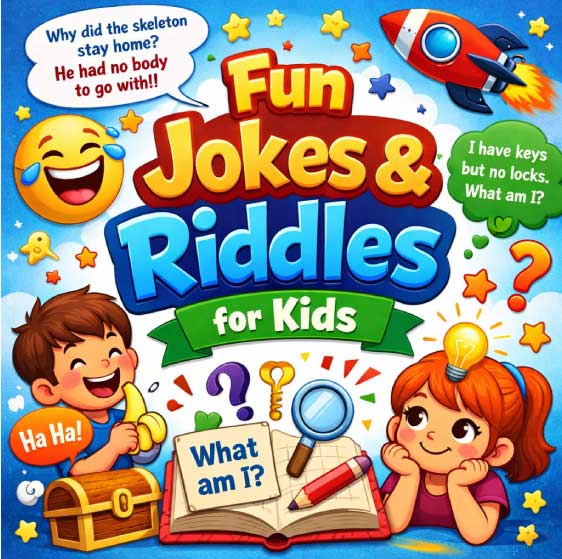
The materials provided in showcase a delightful collection of jokes and riddles designed specifically for children. These playful prompts encourage curiosity, imagination, and problem-solving, all while creating joyful bonding moments between adults and kids.
What This Activity Teaches Children
Jokes and riddles may seem simple on the surface, but they support multiple areas of early childhood development.
1. Language and Vocabulary Development
Children are exposed to new words, sentence structures, and wordplay. Puns like “nacho cheese” or creative phrases help children understand how language can be flexible and fun.
2. Critical Thinking Skills
Riddles require children to think beyond the obvious. For example, questions like “I have keys but no locks” encourage children to analyze clues and connect ideas logically.
3. Problem-Solving Abilities
Children learn to break down information step by step. They begin asking themselves questions like:
- What clues are important?
- What could this describe?
- Does my answer make sense?
4. Listening and Comprehension
Carefully listening to the full joke or riddle is essential. This strengthens attention span and comprehension skills.
5. Creativity and Imagination
Jokes often rely on unexpected twists. This helps children think creatively and appreciate humor in surprising connections.
6. Social and Emotional Development
Sharing jokes builds confidence and encourages social interaction. Children love making others laugh, which boosts self-esteem and communication skills.
How Parents Can Use This Activity With Their Child
Using jokes and riddles at home is simple and requires no preparation. Here’s a step-by-step approach:
Step 1: Start With Simple Jokes
Begin with easy, silly jokes that children can quickly understand. This builds confidence and interest.
Step 2: Read Aloud Together
Read each joke or riddle clearly. Pause before revealing the answer to give your child time to think.
Step 3: Encourage Guessing
Let your child guess freely. Avoid correcting immediately this is about exploration, not perfection.
Step 4: Explain When Needed
If a joke or riddle is confusing, gently explain the meaning or wordplay. This helps deepen understanding.
Step 5: Switch Roles
Let your child read or tell jokes to you. This builds speaking confidence and memory skills.
Step 6: Repeat Favorites
Children enjoy repetition. Revisiting favorite jokes helps reinforce learning and builds fluency.
Activity Preview
In this activity, children are presented with a mix of lighthearted jokes and thought-provoking riddles.
They will encounter:
- Silly question-and-answer jokes like why a banana might visit a doctor
- Wordplay-based humor that relies on sounds and meanings
- Riddles that describe objects indirectly, such as something that has “keys but no locks”
- Brain teasers that require careful thinking, like identifying something that grows stronger the more it is fed
Children are expected to:
- Listen carefully to each prompt
- Think about possible answers
- Make guesses based on clues
- Enjoy the humor in the final answer
The combination of humor and thinking creates a balanced activity that keeps children both entertained and mentally engaged.
Easy STEM Quiz for Kids: Fun Learning Activity for Home and Classroom
Conclusion
Simple activities like jokes and riddles can have a powerful impact on a child’s development. They spark laughter, encourage thinking, and create meaningful moments of connection between parents and children. You don’t need complicated materials or long lessons just a few minutes of playful interaction can help build confidence, language skills, and creativity. By making learning fun, you are giving your child a strong foundation that will support them for years to come.