Table of contents
Children learn best when they are actively engaged, curious, and having fun. That’s why interactive learning experiences especially games are such powerful tools for early education. A kids quiz game activity is a wonderful way to combine play and learning, helping children absorb new information without feeling overwhelmed.
This type of activity is especially effective for teaching topics like geography. Instead of memorizing facts, children participate in a playful question-and-answer format that encourages thinking, recall, and excitement. Whether used at home or in a classroom, quiz-based activities can transform learning into an enjoyable adventure.
What This Activity Teaches Children
A quiz-style activity may seem simple, but it supports a wide range of developmental skills:
1. Knowledge of Geography
Children are introduced to continents such as Asia, Africa, Europe, Australia, North America, South America, and Antarctica. Over time, they begin to recognize names and understand the structure of the world.
2. Memory and Recall Skills
Repeated exposure to questions and answers strengthens memory. Children learn to retrieve information quickly, which is an essential academic skill.
3. Critical Thinking
When children hear a question, they must think, compare options, and choose the best answer. This builds early problem-solving abilities.
4. Confidence Building
Answering questions correctly gives children a sense of achievement. Even when they make mistakes, they learn in a supportive environment.
5. Social Interaction
If played in a group, children practice taking turns, listening, and cooperating with others.
How Parents Can Use This Activity With Their Child
You don’t need complex tools or preparation to bring this activity to life. Here’s a simple approach:
Step 1: Prepare Questions
Create a set of simple questions about continents or general knowledge. For example:
- “Which continent is Egypt in?”
- “Where can we find Antarctica?”
Step 2: Assign Numbers or Choices
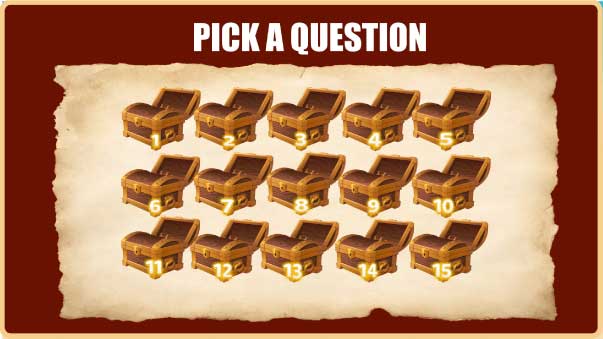
Each question can be linked to a number or option. Children can pick a number randomly to reveal a question.
Step 3: Ask and Pause
Read the question aloud and give your child time to think before answering.
Step 4: Reveal the Answer
After the child responds, share the correct answer and briefly explain it.
Step 5: Repeat and Rotate
Continue the activity with different questions, keeping the pace light and enjoyable.
Ways to Extend the Activity
Once your child becomes familiar with the basic format, you can expand the activity in creative ways:
Add Visual Learning
Introduce a world map and ask your child to point to the correct continent after answering.
Include Real-Life Connections
Talk about animals, weather, or famous landmarks from each continent.
Increase Difficulty Gradually
Start with simple recognition questions, then move to more detailed ones.
Turn It Into a Story
Create a storyline where your child travels around the world answering questions to “unlock” new places.
Use Role Play
Let your child become the teacher or host of the quiz game.
Fun Simple Addition and Subtraction Worksheets for Kids – PowerPoint
Activity Preview
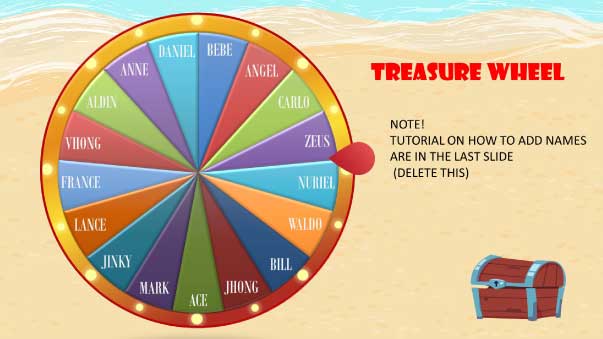
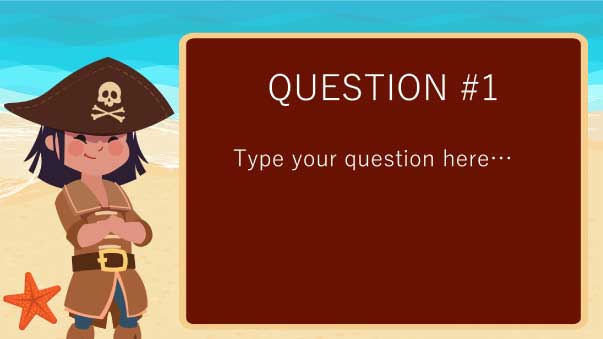
In this activity, children are presented with a selection system such as numbers, names, or a spinning wheel that determines which question they will answer. Each selection leads to a question, followed by a clearly presented answer.
The questions focus on identifying continents and geographical knowledge. For example, a child may choose a number and then be asked about a specific continent. After responding, they see the correct answer, reinforcing learning through repetition and engagement.
Conclusion
Learning doesn’t have to feel like a chore. With a simple kids quiz game activity, you can turn everyday learning into a joyful and memorable experience. By combining curiosity, play, and interaction, children not only gain knowledge but also develop confidence and a love for learning.
Small, consistent activities like this can make a big difference in your child’s educational journey one question at a time.