Table of contents
Children don’t naturally understand abstract values like compassion, empathy, or responsibility — they learn them through experiences. Stories are one of the most powerful ways to help children grasp these ideas because they allow kids to see emotions, consequences, and choices in action.
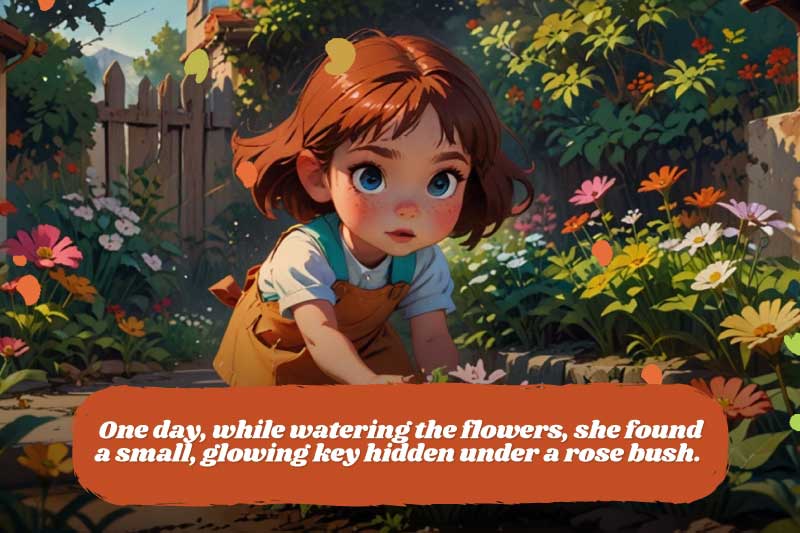
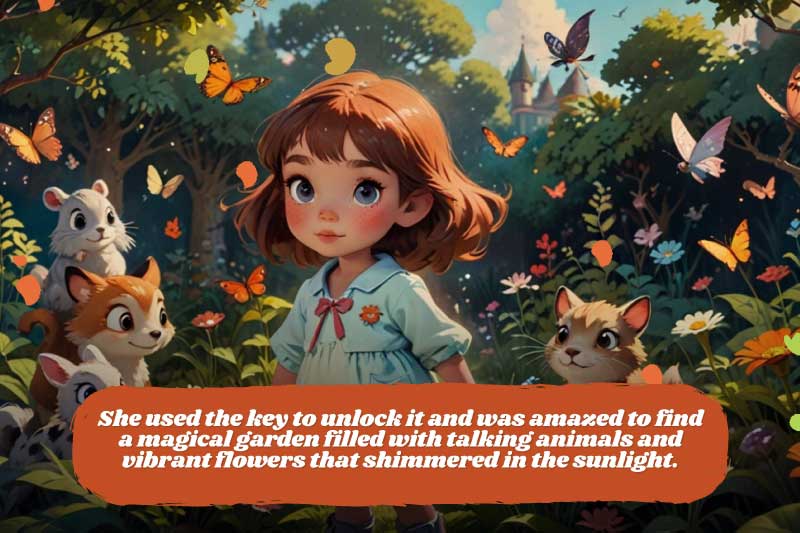
The story of Lily discovering a magical garden and saving it through care and kindness shows how nurturing actions can change outcomes. Through her journey, children witness how small acts — watering plants, helping others, showing concern — can make a real difference.
When parents use stories like this intentionally, they help children connect emotions to actions. Over time, this builds empathy, problem-solving skills, and a sense of responsibility toward others.

What This Story Activity Teaches Children
Emotional awareness and empathy
Lily notices something is wrong in the garden and chooses to help. Children learn to recognize when others need support and how their actions affect the world around them.
Responsibility and persistence
Lily doesn’t fix the problem instantly. She spends days caring for the tree. This reinforces the idea that meaningful change often requires patience and commitment.
Kindness as a powerful force
The story emphasizes that love, attention, and gentle care can transform situations. Children begin to understand that kindness is not just polite behavior — it’s something that shapes relationships and environments.
Imagination linked to real-life lessons
Magical elements capture attention while grounding the message in everyday behavior. Kids stay engaged, which helps the lesson stick.
Step-by-Step Guide: How to Use This Story With Your Child
Step 1: Read the story slowly together
Take time to pause at key moments — when Lily finds the key, meets the animals, and cares for the tree. Ask your child what they think is happening.
Step 2: Ask feeling-focused questions
Try prompts such as:
- “How do you think the animals felt when the tree was losing its glow?”
- “Why do you think Lily wanted to help?”
- “Have you ever helped someone like that?”
This connects the story to real emotions.
Step 3: Connect the story to daily life
After reading, talk about ways your child can show kindness at home or school. This helps translate the message into action.
Step 4: Do a follow-up activity
Invite your child to draw their own magical garden or write about someone they helped. Creative responses deepen understanding.
Step 5: Reinforce the message later
When your child shows kindness during the week, gently reference the story. This helps build memory connections between behavior and values.
Tips to Make It Fun
Use voices and sound effects
Give each animal a different voice or tone. Storytime becomes immersive and memorable.
Let your child act out scenes
They can pretend to plant seeds, water the tree, or talk to the animals. Physical play helps younger children process ideas.
Create a “kindness garden” chart
Draw a garden on paper and add a flower each time your child does something caring. Visual progress encourages repetition.
Turn the story into a bedtime tradition
Repeating the story over several nights allows children to internalize the lessons gradually.
Ways to Extend the Activity
Create a real-world kindness project
Plant flowers together, help a neighbor, or donate toys. Connecting story themes to action strengthens learning.
Write your own sequel
Ask your child what happens next in the magical garden. Story creation builds creativity and moral reasoning.
Introduce other kindness-focused stories
Using multiple stories reinforces the concept from different angles.
Use role-play scenarios
Practice situations like comforting a friend or sharing with a sibling. Rehearsal increases confidence in real moments.
Easy Stories for Kindergarteners to Read: 6 Short Tales to Enjoy
Simple Ways to Try This Activity Today
1. Read the story together tonight
Focus on emotions rather than speed.
2. Ask one reflective question afterward
For example: “What kind thing did Lily do that you liked most?”
3. Choose one small kindness goal
Help your child pick a simple act they can do tomorrow.
4. Celebrate effort, not perfection
Praise the attempt to be kind, even if it’s small.
5. Revisit the story in a few days
Ask what your child remembers. Memory reinforces meaning.
Stories like Lily’s magical adventure do more than entertain — they help children understand how their actions shape the world. When parents turn storytime into a gentle conversation about empathy, responsibility, and kindness, they nurture skills that last far beyond childhood.
By pairing storytelling with reflection and small real-life actions, you help your child see that compassion isn’t just part of a story. It’s something they can practice every single day.