Table of contents
Helping children understand kindness is one of the most meaningful lessons parents and teachers can share. Simple stories and activities can introduce powerful values such as empathy, generosity, and compassion. When children see examples of kindness in action, they begin to understand how their own small actions can make a big difference.
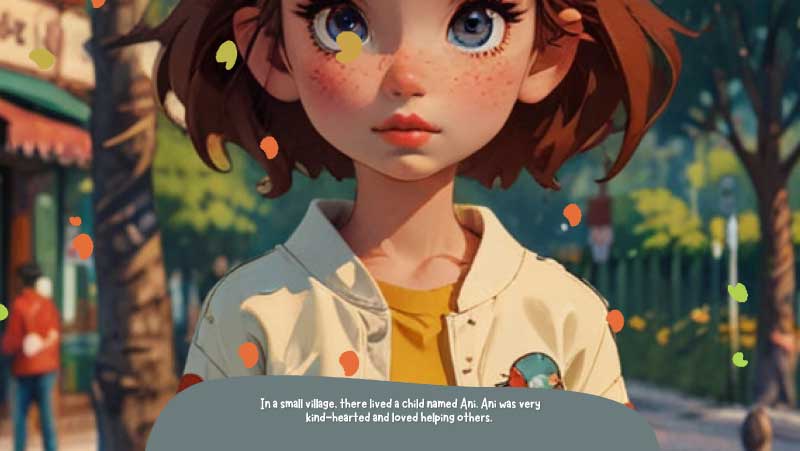
One wonderful way to teach this lesson is through a gentle storytelling activity that follows the journey of a kind child who learns that good deeds can spread happiness throughout an entire community. The story presented in the learning material shows a young child named Ani who discovers the power of kindness through helping others in her village.
Through colorful illustrations and simple storytelling, children are encouraged to think about how kindness affects others and how their own actions can brighten someone’s day.
What This Activity Teaches Children
Stories about kindness are more than just entertainment. They help develop essential emotional and social skills that children need for healthy relationships and personal growth.
1. Empathy and Compassion
As children follow the story of a child helping someone in need, they begin to imagine how others feel. This builds empathy — the ability to understand and care about another person’s feelings.
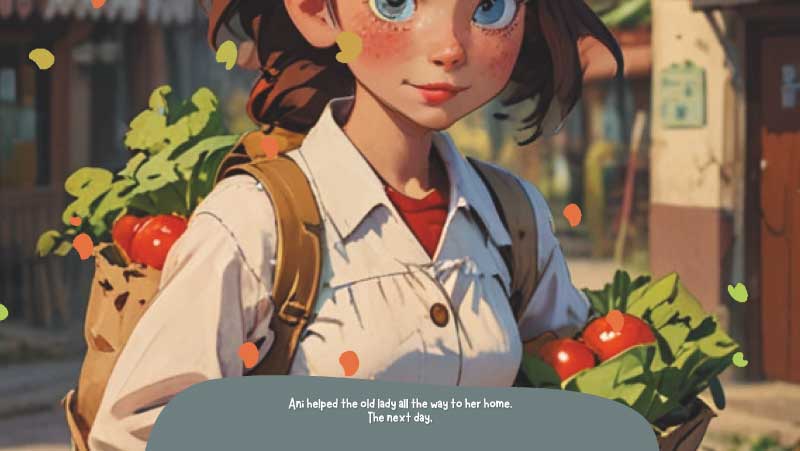
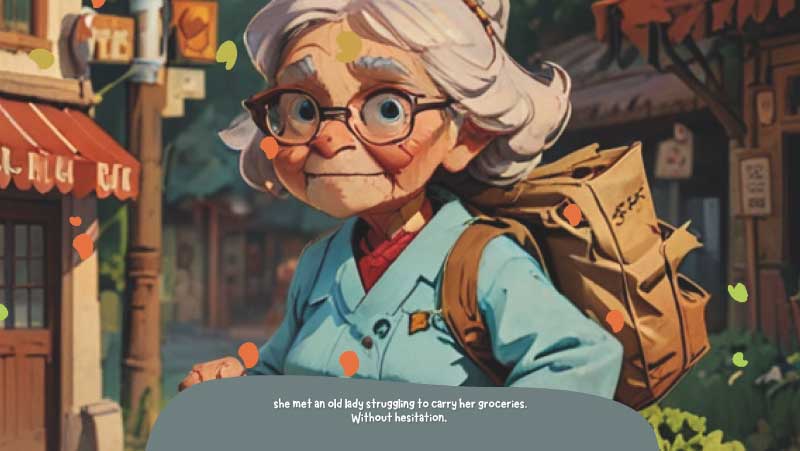
In the story, the main character notices an elderly woman struggling with groceries and immediately offers help. This moment encourages children to notice when someone might need assistance.
2. Social and Emotional Learning
Social emotional learning helps children recognize emotions, manage feelings, and build positive relationships.
Through this story activity, children learn:
- how kindness affects others
- how helping someone creates positive feelings
- how small actions can lead to bigger changes
These lessons form the foundation for strong character development.
3. Moral Reasoning
Stories allow children to explore right and wrong in a safe and engaging way. By seeing a positive outcome from kind behavior, children begin to understand the importance of making thoughtful choices.
In the story, the child receives a magical book after helping someone — symbolizing that kindness often brings unexpected rewards.
4. Listening and Comprehension Skills
Story-based activities also support early literacy development. Children practice:
- listening carefully
- following a sequence of events
- understanding cause and effect
This strengthens both language and cognitive skills.
How Parents Can Use This Activity With Their Child
This storytelling activity can easily be turned into a meaningful learning moment at home.
Step 1: Read or Tell the Story Together
Begin by showing the images and describing what is happening in each scene. Tell the story slowly and clearly so your child can follow the events.
Encourage your child to look closely at the pictures and ask questions such as:
- What do you think is happening here?
- How do you think the characters feel?
Step 2: Talk About the Kind Action
Pause when the main character helps the elderly woman. Ask your child what they would do in that situation.
This helps children connect the story to real life.
Step 3: Explain the Magic of Kindness
In the story, the child receives a magical book that glows whenever a kind deed is done. Explain that while we may not have a magical book, kindness can still create wonderful changes in the world.
Ask your child:
- How does kindness make people feel?
- Can kindness spread from one person to another?
Step 4: Reflect on the Ending
At the end of the story, the village becomes a happier place because of the child’s actions. Discuss how one person’s kindness can inspire others.
Children begin to understand that even small acts can create a positive chain reaction.
Tips to Make This Activity Fun
Children learn best when activities feel playful and engaging. Here are some ways to make this storytelling activity even more exciting.
Use Voices and Expressions
Give different characters unique voices or expressions. This helps bring the story to life and keeps children interested.
Ask Predictive Questions
Before turning to the next scene, ask:
- What do you think will happen next?
- How will the character solve this problem?
This encourages imagination and critical thinking.
Create a “Kindness Game”
After the story, challenge your child to complete one kind action during the day. At night, talk about what they did and how it made someone feel.
Draw Kindness Moments
Invite your child to draw a picture of a kind thing they did or something kind someone did for them.
This helps reinforce the message of the story.
Ways to Extend the Activity
Once your child understands the story, you can expand the learning in creative ways.
Create a Family Kindness Journal
Every time someone in the family does something kind, write it down together. Over time, children will see how kindness grows.
Role-Play Kind Situations
Pretend different scenarios where someone might need help, such as:
- helping a friend who fell
- sharing toys
- comforting someone who feels sad
This builds real-life problem-solving skills.
Start a Kindness Challenge
Choose a small kindness challenge for the week, such as:
- saying thank you more often
- helping clean up
- giving compliments
Celebrate each success.
Write Your Own Kindness Story
Encourage your child to invent their own story about kindness. They can create characters and imagine how kindness changes the world.
Activity Preview
The learning material presents a short illustrated story about kindness that unfolds across several scenes.
At the beginning, children see a peaceful village where a kind child named Ani lives. The next scenes show Ani noticing an elderly woman struggling to carry groceries and immediately offering help.
Later, the woman rewards the child with a magical book that glows whenever a kind deed is performed. As the child continues helping others, the glowing book symbolizes the growing power of kindness.
In the final scenes, the child becomes a role model for others, and the entire village becomes a happier and more caring place.
Each image helps children visualize how kindness spreads from one person to another.
Conclusion
Teaching kindness does not require complicated lessons or long explanations. Sometimes the most powerful learning comes from simple stories that show how one thoughtful action can brighten someone’s day.
Activities like this help children understand that kindness is not just a nice idea — it is something they can practice every day. When children see how their actions affect others, they begin to develop empathy, compassion, and confidence.
Over time, these small lessons grow into lifelong habits of caring for others. And just like in the story, a single act of kindness can inspire many more.