Table of contents
Child rearing in the modern world blends long-standing parental instincts with a rapidly expanding body of developmental science. As researchers deepen our understanding of how children grow cognitively, emotionally, and socially, parents today have access to evidence-based methods that can significantly improve long-term outcomes. Modern child rearing is no longer defined solely by tradition or personal intuition; instead, it incorporates neuroscience, psychology, and behavioral research to promote healthier developmental pathways. This article explores core principles and practical techniques that support effective, science-backed child rearing for families of all backgrounds.

The Shift Toward Evidence-Based Child Rearing
In previous generations, child rearing practices were often rooted in cultural norms and personal experience rather than systematic study. Today, developmental science provides parents with more clarity on what actually supports healthy growth. This shift includes:
- Emphasis on emotional intelligence over blind obedience.
- Use of positive reinforcement rather than punitive discipline.
- Awareness of brain development stages and age-appropriate expectations.
- Recognition of environmental and relational factors affecting behavior.
The result is a more informed approach to child rearing, where parents understand why certain strategies work, not just how.
The Science Behind Early Brain Development
A major driver of modern rearing strategies is neuroscience. Research consistently shows that early childhood is a critical period in which experiences shape neural connections that influence behavior, emotional regulation, and learning capacity.
Key Scientific Insights Shaping Child Rearing
- Neural Plasticity
Young brains form millions of neural pathways rapidly. Stimulating, responsive environments strengthen these connections and promote adaptive development. - Impact of Stress Hormones
Toxic stress—chronic stress without adequate support—can impair cognitive development. Child rearing approaches that emphasize emotional safety help reduce these risks. - Social Learning Theory
Children model behavior they observe. Consistency in parental actions is essential; children learn more from what parents do than what they say. - Attachment Theory
Strong, secure attachments with caregivers support self-esteem, resilience, and emotional well-being. rearing strategies that prioritize responsiveness help form these bonds.
By grounding child rearing in these principles, parents can create environments that nurture long-term mental and emotional stability.
Modern Child Rearing and Emotional Intelligence
Emotional intelligence (EQ) has emerged as a critical predictor of success in life. Unlike IQ, which is largely stable, EQ is highly influenced by early experiences. Effective child rearing helps children recognize, name, and manage emotions appropriately.
Techniques That Build Emotional Intelligence
- Emotion Labeling
Parents narrate feelings (“It looks like you feel disappointed”) to help children build emotional vocabulary. - Co-Regulation
Adults guide children through calming techniques such as deep breathing, grounding methods, and verbal reassurance. - Modeling Empathy
Demonstrating patience, understanding, and compassion teaches children these same skills. - Validating Emotions
Acknowledging feelings without judgment strengthens trust and emotional resilience.
These practices align child rearing with developmental research showing that emotionally secure children exhibit better academic performance, social stability, and stress management.

Discipline in Modern Child Rearing: What Science Recommends
Traditional discipline methods, particularly physical punishment, have been widely discredited by research. Developmental science demonstrates that punitive approaches may produce short-term compliance but weaken long-term emotional health and problem-solving skills.
Evidence-Backed Discipline Strategies
- Positive Reinforcement
Highlighting and rewarding good behavior encourages repetition. - Natural and Logical Consequences
These help children understand the real-world results of their actions (e.g., if a toy is misused, it is temporarily unavailable). - Consistency and Predictability
Clear expectations and predictable responses prevent confusion and anxiety. - Time-In Instead of Time-Out
Instead of isolating the child, the parent stays nearby to support emotional regulation. - Calm Parental Responses
Neuroscience shows that children mirror emotional cues; calm discipline promotes self-control.
Science-based child rearing focuses on teaching, not punishing. This builds internal motivation and a stronger parent-child relationship.
28,000 Baby Names:The Definitive Guide to Choosing the Perfect Baby Names
Communication Strategies for Effective Child Rearing
Communication—both verbal and non-verbal—is foundational in modern child rearing. Children rely on cues from adults to understand their environment and gauge their own reactions.
Key Communication Guidelines
- Use Age-Appropriate Language
Simplified explanations help children process instructions and emotions. - Active Listening
Giving full attention communicates respect and fosters openness. - Open-Ended Questions
Encouraging conversation helps develop critical thinking. - Non-Verbal Signals
Eye contact, posture, and tone of voice influence how children perceive messages.
Strong communication in child rearing encourages cooperative behavior and reduces power struggles.
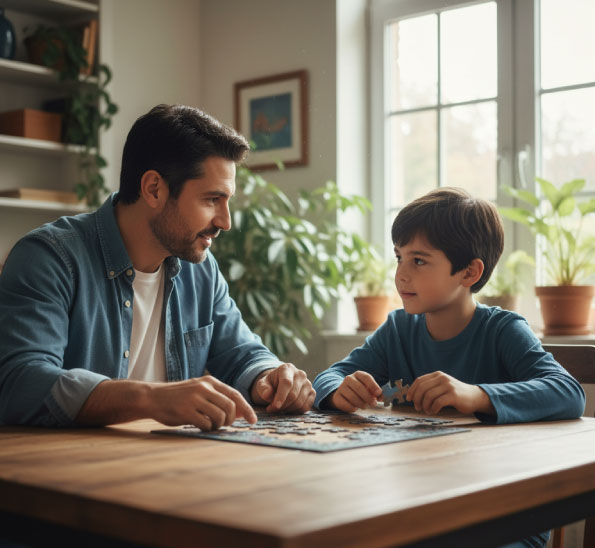
Encouraging Cognitive Development Through Evidence-Based Child Rearing
Cognitive growth is significantly influenced by home environments. Modern child rearing integrates developmental science into everyday routines that foster curiosity and learning.
Science-Supported Cognitive Enrichment Methods
- Reading Together Daily
Improves vocabulary, comprehension, and emotional bonding. - Open-Ended Play
Blocks, art materials, and nature-based play promote problem-solving and creativity. - Structured Routines
Predictability supports executive function skills such as planning and time management. - Limit Screens
Excessive screen time is linked to attention difficulties; developmental guidelines recommend balanced use. - Encouraging Questions
Allowing children to explore and inquire strengthens cognitive pathways.
Child rearing that integrates these practices builds the foundation for lifelong learning.
Social Development and Peer Interaction in Child Rearing
Children learn critical social skills through interactions with peers, siblings, and adults. Modern child rearing emphasizes proactive socialization supported by developmental research.
Strategies for Social Skill Building
- Cooperative Play Activities
Board games and group tasks teach negotiation, patience, and teamwork. - Role-Playing Scenarios
Practicing social situations develops empathy and conflict resolution. - Supervised Problem Solving
Instead of intervening immediately, guide children to resolve disputes with support. - Exposure to Diverse Groups
Interacting with individuals from various backgrounds broadens cultural awareness.
Socially focused child rearing empowers children with essential interpersonal tools.
Building Independence and Responsibility
A key objective of effective child rearing is preparing children for the responsibilities and challenges of adulthood. Developmental research underscores the importance of gradually increasing autonomy.
Evidence-Backed Approaches for Fostering Independence
- Age-Appropriate Tasks
Assigning responsibilities builds competence and confidence. - Choice Architecture
Offering controlled choices (e.g., two meal options) supports decision-making skills. - Encouraging Safe Risk-Taking
Climbing, sports, and new experiences promote resilience and adaptability. - Teaching Problem-Solving Frameworks
Guiding children through steps of identifying problems, brainstorming solutions, and evaluating outcomes strengthens executive function.
Independence-based child rearing prepares children for academic, social, and personal success.
The Role of Parents’ Mental Health in Effective Child Rearing
Research clearly connects parental well-being to child outcomes. Stress, anxiety, and burnout can negatively influence parenting quality, making self-care a crucial component of modern child rearing.
Strategies for Maintaining Parental Well-Being
- Setting Boundaries
Managing work-life balance prevents exhaustion. - Seeking Social Support
Friends, family, or community groups can reduce stress and provide perspective. - Practicing Mindfulness or Relaxation Techniques
Reduces reactivity and increases emotional availability. - Professional Assistance When Needed
Therapists or counselors can support mental health during difficult periods.
Healthy parents are more capable of providing nurturing, stable child rearing environments.
Technology and Modern Child Rearing
Technology now plays a central role in family life. Developmental science does not recommend eliminating technology but suggests balanced, intentional use.
Best Practices for Tech-Aligned Child Rearing
- Co-Viewing Educational Content
Increases learning retention. - Setting Clear Time Limits
Helps prevent overstimulation and sleep disruption. - Encouraging Digital Literacy
Teaching children online safety and critical thinking prepares them for a modern world. - Prioritizing Real-World Exploration
Outdoor play and hands-on learning remain essential for development.
Intentional tech integration ensures child rearing remains holistic and grounded in real-world experiences.
Cross-Cultural Perspectives in Modern Child Rearing
Developmental science highlights universal human needs, yet acknowledges the influence of cultural values in child rearing. Effective strategies can be adapted to honor cultural identities while incorporating evidence-based practices.
Balancing Culture and Science
- Celebrating traditions while integrating modern communication styles.
- Respecting family roles but avoiding harmful disciplinary norms.
- Encouraging bilingualism and cultural storytelling to support cognitive flexibility.
A culturally respectful approach ensures that rearing remains meaningful and relevant for diverse families.
Conclusion:
Modern child rearing informed by developmental science offers a powerful opportunity to nurture healthier, more resilient generations. By understanding how children think, feel, and learn, parents can make informed choices that support long-term well-being. Whether through emotionally responsive communication, positive discipline, cognitive enrichment, or balanced technology use, evidence-based rearing equips families with strategies that are both compassionate and effective.
As research continues to evolve, parents can expect even more insights into how early experiences shape lifelong outcomes. What remains constant, however, is the core principle that underlies all effective rearing, children thrive in environments of love, stability, and respect. By integrating these science-backed techniques, families of all backgrounds can build strong foundations for their children’s futures.
🎁 Here are 10 wonderful and beneficial books worth reading 🎁