Table of contents
Early number learning is most effective when children interact with numbers in a clear, structured, and engaging way. numbers for kindergarten tracing exercises from 1 to 20 provide young learners with a strong starting point for understanding number shapes, order, and basic writing skills. By combining visual guidance with hands-on practice, these activities help children gain confidence while developing essential early math foundations.
Why Tracing Numbers Is Important in Kindergarten
Tracing numbers is more than a writing activity; it is a key step in helping children recognize and remember number forms. When children trace numbers repeatedly, they build a connection between what they see and how they write it. This process supports number recognition, sequencing, and readiness for simple math operations. Tracing also reduces frustration by guiding children step by step instead of expecting free writing too early.
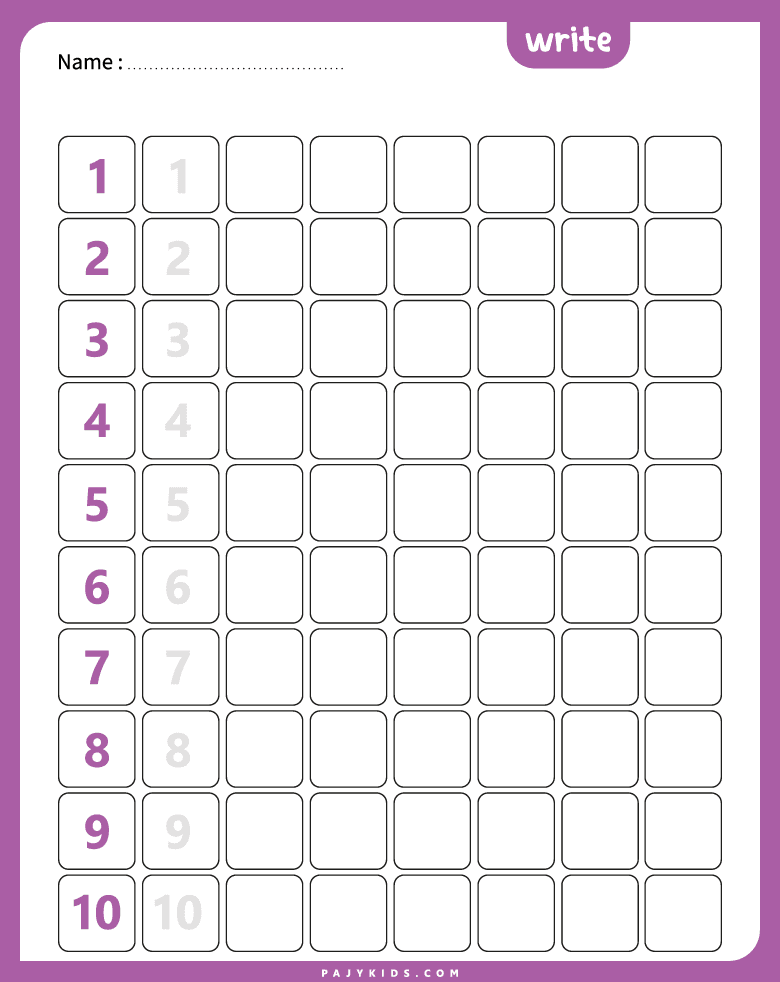
Numbers for Kindergarten Through Visual and Guided Practice
Visual support plays a major role in successful tracing activities. Clear dotted lines, arrows, and consistent number formation help children understand where to start and how to move their pencil. With numbers for kindergarten tracing worksheets, children learn correct directionality and spacing, which prevents the formation of writing habits that may be difficult to correct later.
Developing Fine Motor Skills Alongside Number Learning
Kindergarten learners are still strengthening the small muscles in their hands and fingers. Tracing numbers helps improve pencil grip, hand–eye coordination, and control. As children work through tracing activities from 1 to 20, they gradually gain better precision and endurance. These fine motor improvements support not only number writing but also future handwriting tasks.
Division for Kindergarten: Simple Strategies for Learning Math
Numbers for Kindergarten and Gradual Skill Progression
Effective tracing exercises follow a gradual progression. Children typically begin with larger numbers and heavier guidelines, then move toward smaller numbers and lighter support. This progression allows learners to experience success at every stage. Working with numbers for kindergarten in a structured sequence builds confidence and encourages independence as children become more comfortable writing numbers on their own.
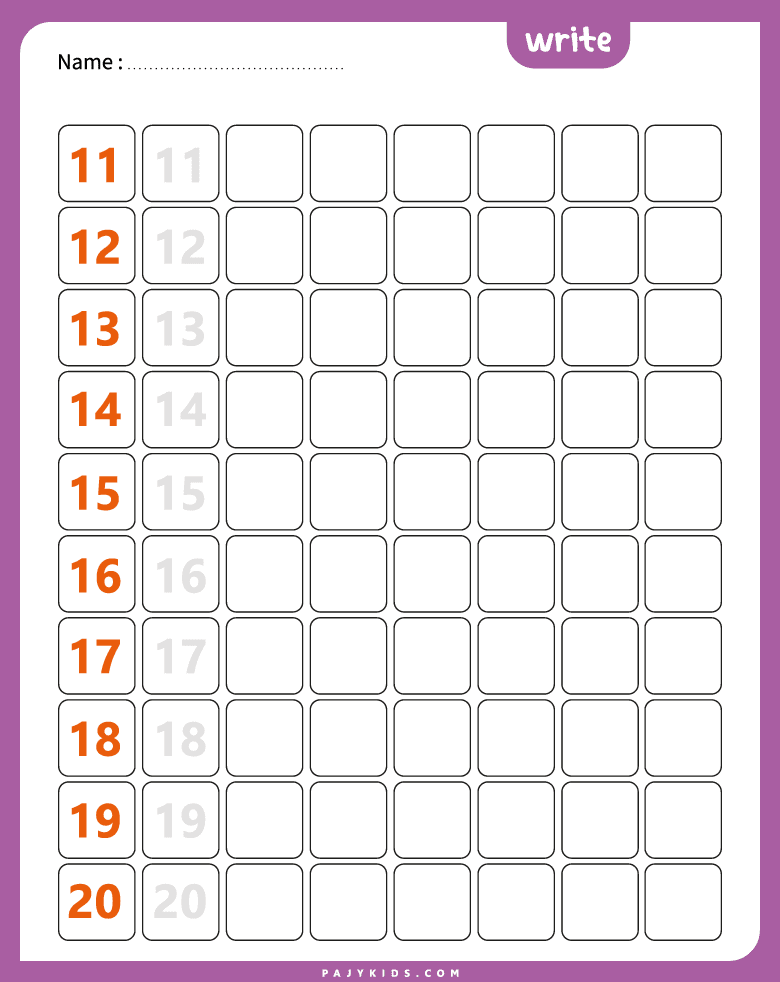
Using Tracing Exercises at School and Home
Consistency between classroom and home practice strengthens learning outcomes. Teachers can introduce tracing exercises during guided lessons, while parents reinforce the same skills through short, relaxed practice sessions at home. When children regularly work with numbers for kindergarten across different environments, learning becomes more stable and long-lasting.
Tracing numbers from 1 to 20 is a foundational activity that supports early math readiness and writing development. When thoughtfully designed and used consistently, numbers for kindergarten tracing exercises help children build number recognition, fine motor control, and confidence. These early experiences create a solid base for future learning and encourage a positive attitude toward math from the very beginning.