Table of contents
Understanding place value is a key milestone in early math learning, and ones and tens activities help children grasp how numbers are built. When young learners recognize that numbers are made of smaller units grouped in meaningful ways, math becomes clearer and less intimidating. Easy, well-structured exercises allow children to explore this concept through observation, counting, and hands-on practice.
Building Number Awareness Through Place Value
Early math success depends on helping children see numbers as more than symbols. Learning place value strengthens number sense by showing how quantities relate to one another. When children understand how numbers grow and change, they become better prepared for counting, comparing, and basic operations later on. This foundation supports logical thinking and boosts confidence in math activities.
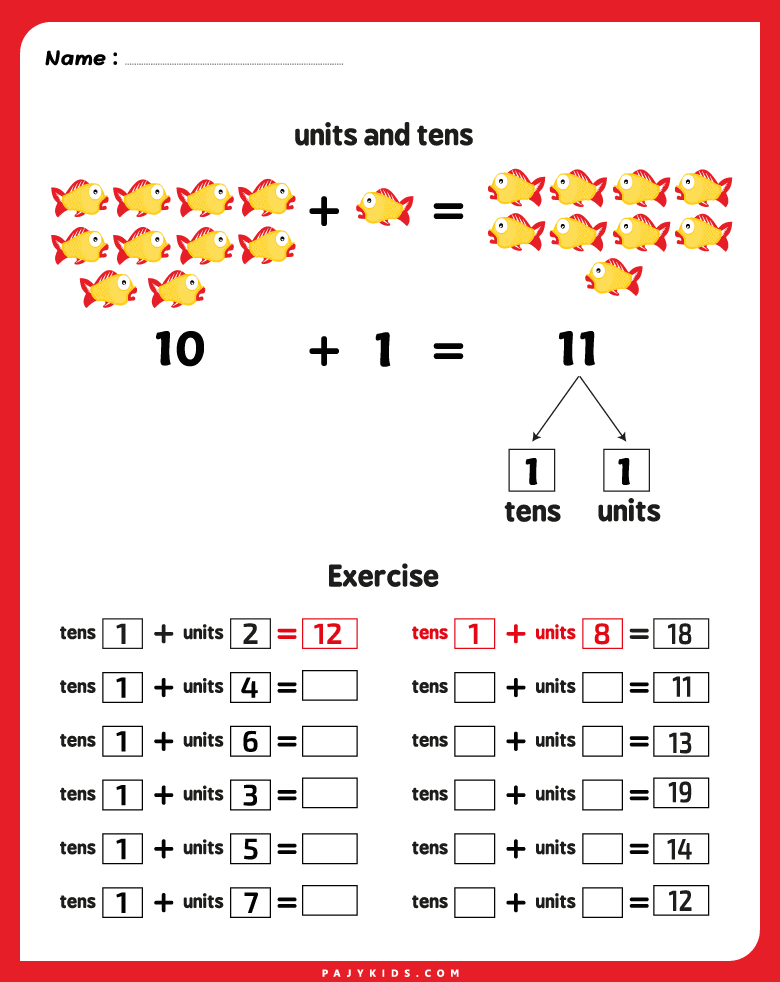
Ones and Tens Using Counting and Grouping Activities
Counting and grouping are among the most effective ways to teach place value. Children begin by counting single items, then grouping them into sets of ten. This practical approach makes ones and tens visible and meaningful, allowing learners to see how individual units combine to form larger values. Physical interaction helps reinforce understanding and memory.
Hands-On Materials That Support Learning
Manipulatives such as blocks, beads, or counters transform abstract ideas into concrete experiences. When children move objects to represent quantities, learning becomes active and engaging. These tools also encourage exploration and curiosity, helping children discover patterns and relationships independently while practicing early math skills.
Ones and Tens Through Visual and Interactive Exercises
Visual activities such as coloring, matching, and sorting help children focus on number structure. Using different colors or sections to represent units and groups makes ones and tens easier to identify. Interactive exercises maintain attention and make repetition enjoyable, which is essential for mastering early concepts.
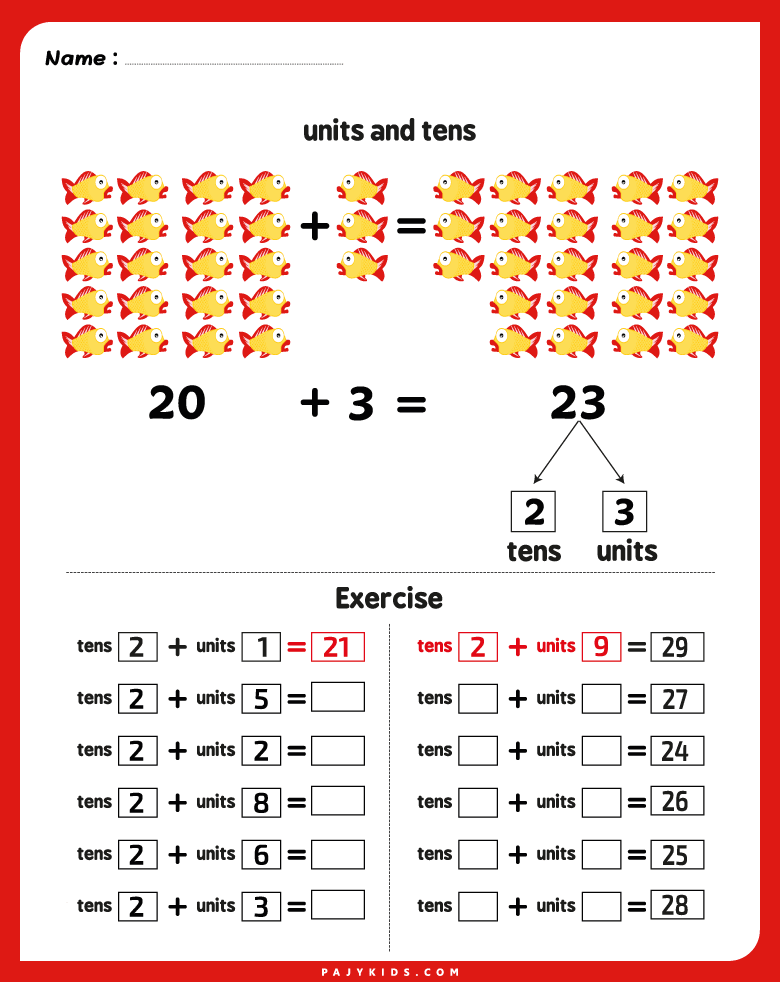
Developing Fine Motor and Thinking Skills Together
Many place value activities involve tracing, drawing, or organizing items, which strengthens fine motor skills. At the same time, children practice focus, sequencing, and problem-solving. This combination supports overall school readiness by developing both physical coordination and cognitive abilities through purposeful play.
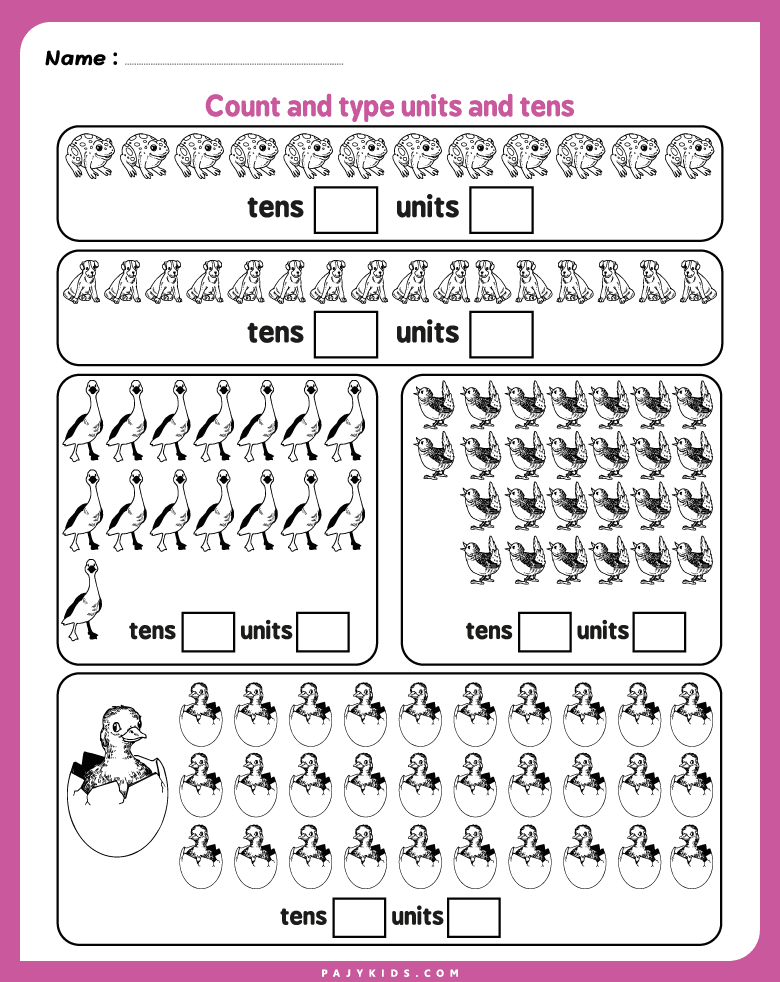
Shapes Posters: A Teacher’s Resource for Kindergarten and School
Easy early math exercises play a vital role in shaping how children understand numbers. When ones and tens are taught through clear visuals, hands-on materials, and engaging activities, children build strong place value awareness and confidence. These early experiences create a solid foundation for future math learning and encourage a positive attitude toward numbers from the very beginning.