Table of contents
Helping young children learn doesn’t have to be complicated. In fact, some of the most effective tools are simple, colorful, and engaging. Preschool learning charts are a wonderful way to introduce foundational concepts like numbers, colors, animals, and emotions in a way that feels natural and fun.
These types of visual learning materials provide children with consistent exposure to important ideas. When children see and interact with these charts daily, they begin to recognize patterns, build vocabulary, and develop confidence in their learning. Whether you are a parent, homeschooler, or kindergarten teacher, incorporating these charts into your routine can make a meaningful difference in your child’s development.
What This Activity Teaches Children
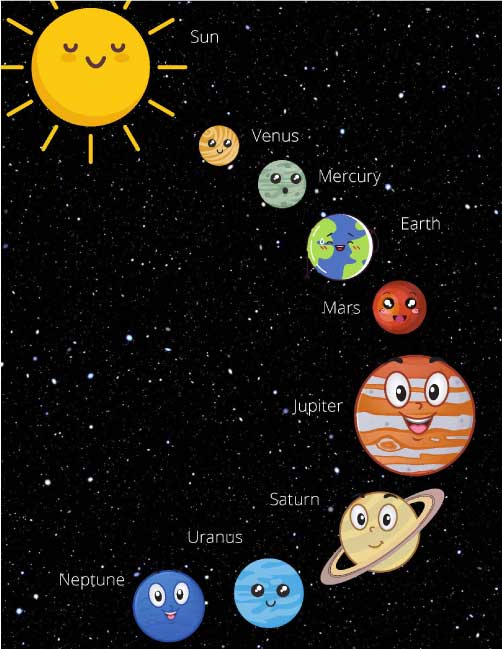
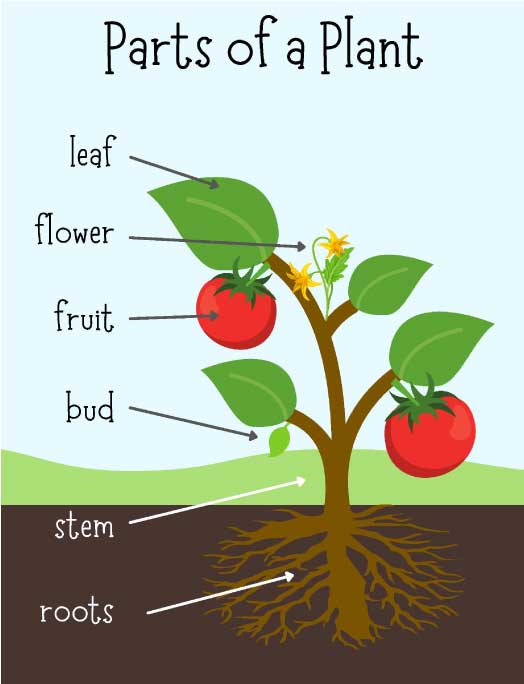
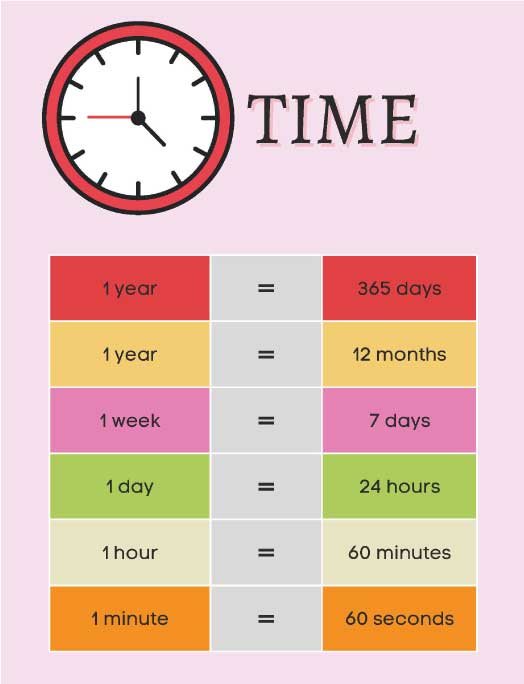
Preschool learning charts support a wide range of early childhood skills. The materials shown in include topics like numbers, parts of a plant, the solar system, days of the week, colors, feelings, animals, and more making them a comprehensive learning resource.
Here are some of the key developmental areas children benefit from:
Early Math Skills
Charts that display numbers from 1 to 100 help children recognize number patterns, count confidently, and begin understanding sequences. This builds a strong foundation for future math learning.
Language and Vocabulary Development
With labeled images such as animals, vegetables, and musical instruments, children expand their vocabulary naturally. They begin to associate words with images, improving both comprehension and communication.
Science Awareness
Topics like the solar system and parts of a plant introduce children to basic science concepts. These visuals spark curiosity about the world around them and encourage questions.
Emotional Intelligence
The feelings chart helps children identify emotions like happy, sad, angry, and excited. This supports emotional regulation and helps children express themselves more clearly.
Time and Routine Understanding
Days of the week and time concepts help children understand daily structure. This is especially helpful for building routines and reducing anxiety around transitions.
Visual Learning and Memory
Bright colors, simple layouts, and engaging illustrations strengthen visual memory and attention span, which are essential for early learning success.
How Parents Can Use This Activity With Their Child
Using preschool learning charts is simple, but consistency is key. Here’s a step-by-step approach to make the most of them:
Step 1: Choose a Focus Area
Start with one chart at a time. For example, you might begin with colors or numbers to avoid overwhelming your child.
Step 2: Introduce the Chart Together
Sit with your child and explore the chart. Point to each item and say it out loud. Encourage your child to repeat after you.
Step 3: Ask Simple Questions
Engage your child by asking questions like:
- “Can you find the number 5?”
- “What color is this?”
- “How does this face feel?”
Step 4: Practice Daily
Spend a few minutes each day reviewing the chart. Repetition helps children retain information more effectively.
Step 5: Connect to Real Life
Relate what your child sees on the chart to everyday experiences. For example:
- Point out vegetables during meals
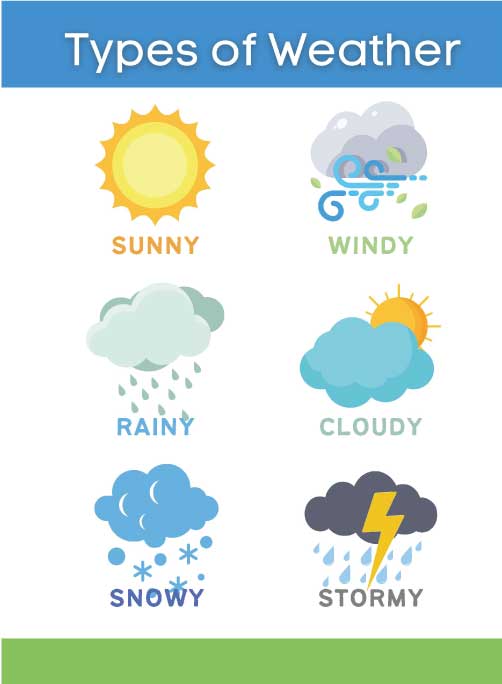
- Talk about the weather
- Identify animals in books or outside
Tips to Make This Activity Fun
Keeping children engaged is essential for effective learning. Here are some practical ways to make learning with charts enjoyable:
Turn It Into a Game
Play “find and point” games. Ask your child to quickly locate a specific item on the chart.
Use Movement
Encourage your child to jump, clap, or spin when they identify the correct answer. Physical movement boosts engagement and memory.
Sing and Repeat
Turn concepts like days of the week or colors into simple songs. Music helps children remember information more easily.
Rotate Charts
Switch charts every few days to keep things fresh and exciting. This prevents boredom and maintains curiosity.
Celebrate Progress
Praise your child when they recognize something new. Positive reinforcement builds confidence and motivation.
Monster-Themed Tracing Worksheets for Preschool and Kindergarten Learning
Activity Preview
This collection of preschool learning charts presents a wide variety of essential topics in a visually engaging way. Children are introduced to numbers arranged in clear sequences, colorful representations of the rainbow, labeled diagrams of plants, and friendly illustrations of animals. Each chart is designed with simplicity in mind, making it easy for young learners to focus on one concept at a time without feeling overwhelmed.
Children are encouraged to observe, identify, and repeat what they see. For example, they might trace numbers with their fingers, name colors out loud, or point to different emotions shown through expressive faces. The inclusion of diverse subjects from musical instruments to weather and seasons ensures that children are exposed to a well-rounded set of foundational ideas. This variety not only keeps learning interesting but also supports multiple areas of development simultaneously.
Conclusion
Preschool learning charts are a simple yet powerful tool for early childhood education. They provide children with visual, engaging, and consistent exposure to important concepts that build the foundation for lifelong learning. By spending just a few minutes each day exploring these charts together, you can support your child’s development in a meaningful and enjoyable way.
Remember, learning doesn’t have to be perfect it just needs to be consistent, playful, and encouraging. Small moments of connection and curiosity can lead to big growth over time.