Table of contents
Coloring may look like a quiet, simple pastime, but for children it’s powerful learning in disguise. When kids sit down with fun images like animals, vehicles, and playful characters, they’re not just filling spaces with color — they’re developing fine motor skills, focus, creativity, and emotional expression.
Printable coloring pages featuring friendly creatures, cars, boats, and imaginative scenes provide an easy, low-stress activity parents can use at home, in waiting rooms, or during quiet afternoons. With just crayons or markers, children can explore colors, practice control, and feel proud of something they’ve created on their own.

What Coloring Activities Teach Children
Fine Motor Control
Holding crayons, staying inside lines, and choosing colors strengthens hand muscles and coordination. These are the same skills children later use for handwriting, cutting, and buttoning clothes.
Focus and Patience
Coloring encourages children to slow down and finish what they start. Even a simple picture like a bee or car requires sustained attention.
Creativity and Decision-Making
Kids choose colors, invent stories about the pictures, and personalize each page. This builds independence and confidence in their ideas.
Emotional Expression
Coloring can be calming and therapeutic. Children often express feelings through their color choices and the way they decorate images.

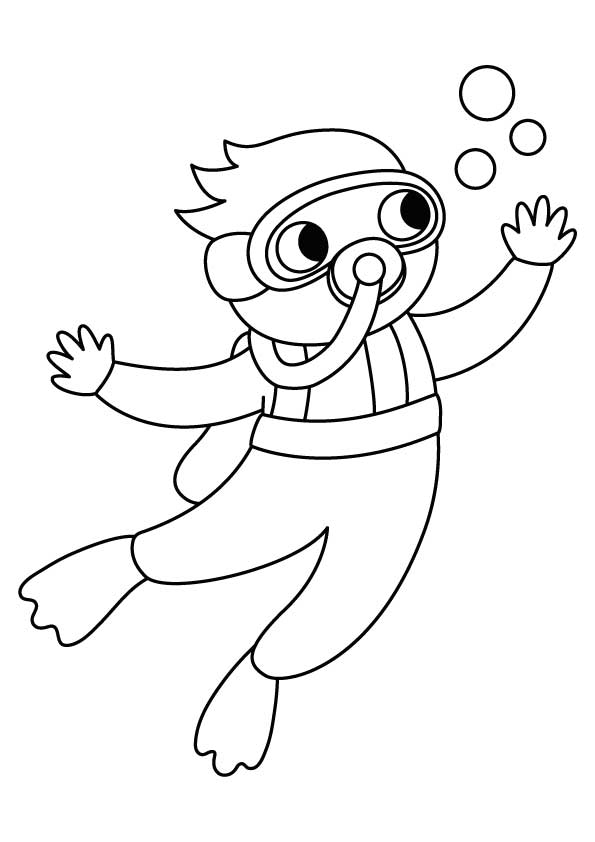
Step-by-Step Guide to Using Coloring Pages With Children
Step 1: Choose Engaging Images
Select pages that match your child’s interests. For example:
- Animals like camels or hippos spark curiosity
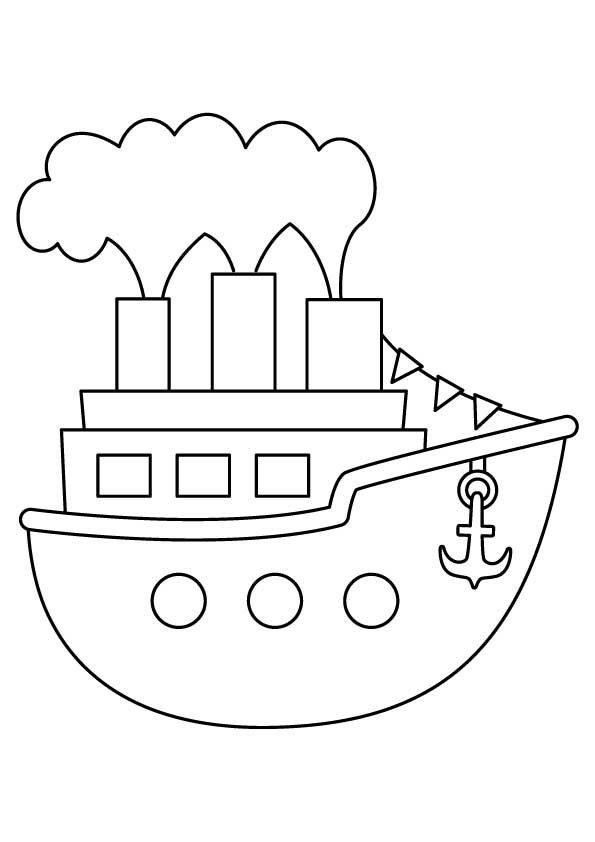
- Vehicles such as cars or boats attract kids who love movement
- Friendly characters help younger children feel comfortable
Letting children choose the page increases motivation and ownership.
Step 2: Prepare a Simple Coloring Space
You don’t need anything fancy. A clean table, crayons, colored pencils, or markers work perfectly. Consider placing the materials in a small basket so kids can access them independently.
Step 3: Introduce the Activity Gently
Instead of saying, “Color this correctly,” try:
“Let’s see what colors you imagine for this picture.”
This removes pressure and encourages creativity.
Step 4: Sit Nearby, Not Over Them
Children benefit from your presence, but constant correction can reduce confidence. Offer encouragement like:
“I love how you chose bright colors.”
Step 5: Celebrate the Finished Work
Display completed pages on the fridge or a wall. This shows children their effort matters and boosts pride in their work.
Tips to Make It Fun
Add Storytelling
Ask questions such as:
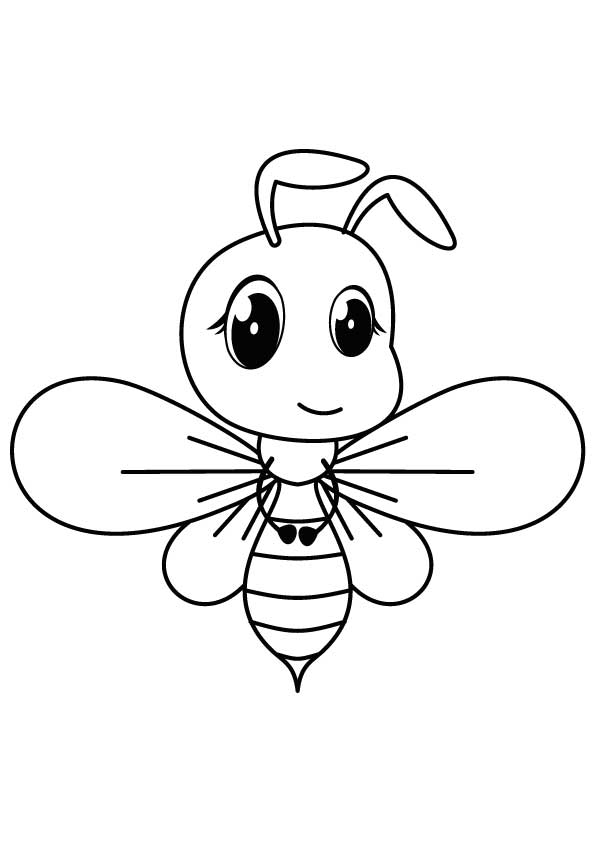
“What is this bee doing today?”
“Where is the car going?”
This turns coloring into a language and imagination activity.
Use Color Challenges
Try fun prompts like:
- Use only warm colors
- Create a rainbow animal
- Color the background first
These playful challenges encourage experimentation.
Play Music or Audiobooks
Soft music can make coloring time relaxing. Stories or audiobooks keep kids engaged longer and build listening skills.
Color Together
Children love when parents participate. Sit down and color your own page to model creativity and relaxation.

Common Mistakes to Avoid
Correcting Too Much
When adults insist on realistic colors or staying perfectly in lines, kids may lose confidence. Coloring should be expressive, not judged.
Choosing Pages That Are Too Hard
Very detailed images can frustrate younger children. Start with bold, simple outlines and increase complexity gradually.
Turning It Into a Competition
Comparing siblings’ pages or pushing for perfection removes the joy from the activity. Focus on effort and enjoyment instead.
Limiting Color Choices
Providing only one or two crayons reduces creativity. Offer a range of colors when possible.
Ways to Extend the Activity
Turn Pages Into Learning Tools
Use animal pages to discuss habitats, sounds, or diets.
Use vehicle pages to talk about transportation and safety.
Create a Coloring Book
Staple finished pages into a homemade book. Kids love seeing their work turned into something permanent.
Use the Pages for Crafts
Cut out colored characters and glue them onto cardboard to create puppets or decorations.
Practice Writing Skills
Ask children to write the name of the object or animal at the bottom of the page. Even tracing letters builds early literacy.
Introduce Simple Art Techniques
Show children how to:
- Blend colors lightly
- Add patterns like stripes or dots
- Color backgrounds to complete scenes
These techniques build artistic confidence.
Alphabet Coloring Pages for Preschool and Kindergarten
Simple Ways to Try This Activity Today
1. Print or Choose One Page
Let your child pick a favorite image to color today.
2. Set a 15-Minute Quiet Time
Short sessions work well for younger children and help build routine.
3. Offer Three Color Choices First
Too many options can overwhelm. Start simple, then expand.
4. Display the Finished Page
Hang it up or take a photo to show appreciation.
5. Ask One Fun Question
Encourage imagination by asking about the story behind the picture.
Coloring is one of the simplest activities parents can offer, yet it supports a wide range of developmental skills. With engaging images and a relaxed approach, coloring time becomes more than just filling shapes — it becomes a chance for children to focus, express themselves, and feel proud of their creativity.
By incorporating printable coloring pages into your routine, you’re giving your child a quiet, screen-free activity that builds skills they’ll use for years to come.