Table of contents
Tracing for kindergarten is one of the most effective ways to help young children develop essential early writing skills. By engaging children in tracing activities, parents and educators can support the development of fine motor skills, hand-eye coordination, and letter recognition. These foundational skills are critical as children prepare to transition from guided writing to independent writing in the classroom. Printable tracing worksheets offer a structured, fun, and accessible method for children to practice these skills at home or in school, making learning enjoyable and interactive.
This article will explore the benefits of tracing for kindergarten, provide tips for effective tracing activities, highlight different types of worksheets, and offer strategies for maximizing learning through printable tracing resources.
Why Tracing for Kindergarten is Important
Tracing is more than just a fun activity—it lays the groundwork for writing success. At the kindergarten level, children are still developing the coordination needed to form letters and numbers accurately. Tracing activities provide a guided approach that helps children:
- Develop fine motor skills: Holding and controlling a pencil or crayon while tracing strengthens the small muscles in the hands and fingers.
- Improve hand-eye coordination: Following lines and shapes helps children coordinate their vision with their hand movements.
- Learn letter formation: Tracing letters reinforces proper writing techniques and helps children memorize the shapes of letters and numbers.
- Enhance concentration and patience: Completing tracing worksheets encourages children to focus on detail and practice patience while finishing tasks.
- Build confidence: Successfully tracing letters, numbers, and shapes boosts a child’s confidence, making them more willing to try independent writing.
With these benefits in mind, it is clear that tracing for kindergarten is not just an activity but a crucial step in early childhood education.
Types of Tracing for Kindergarten Worksheets
Printable tracing for kindergarten comes in many varieties, each designed to target specific skills. Using a mix of worksheets ensures children develop a well-rounded set of early writing abilities.
1. Letter Tracing Worksheets
Letter tracing worksheets focus on teaching children the alphabet. These worksheets usually include both uppercase and lowercase letters, guiding children to follow dotted lines or arrows to form each letter correctly. This helps with letter recognition, formation, and early reading skills.
2. Number Tracing Worksheets
Number tracing worksheets are essential for introducing children to mathematics. Children practice writing numbers from 0 to 9 (and beyond), reinforcing counting skills and numerical order while developing the fine motor control needed for writing.
3. Shape Tracing Worksheets
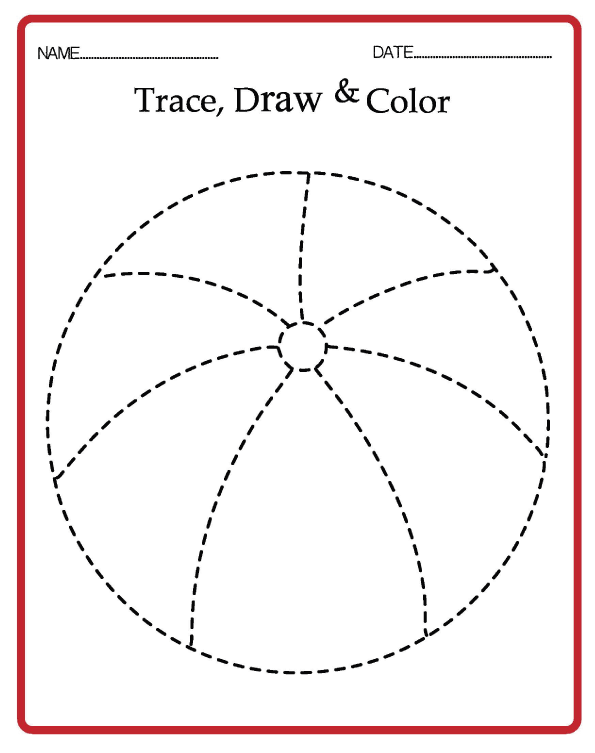
Shapes are a fundamental part of early learning. Shape tracing worksheets allow children to practice circles, squares, triangles, and other common shapes. This not only improves motor skills but also helps children recognize geometric forms, an important math foundation.
4. Pattern and Line Tracing Worksheets
Pattern tracing activities involve following lines, curves, and simple designs. These worksheets strengthen hand control and prepare children for more complex writing tasks, such as cursive letters or connected writing.
5. Themed Tracing Worksheets
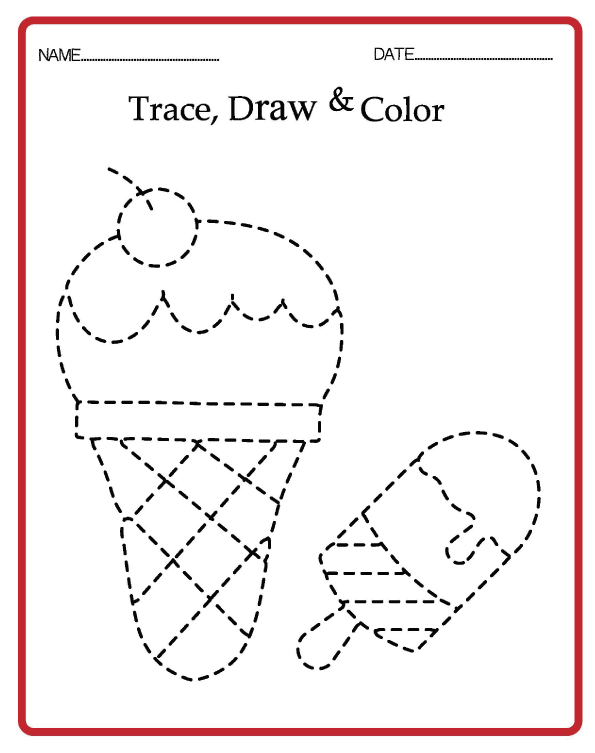
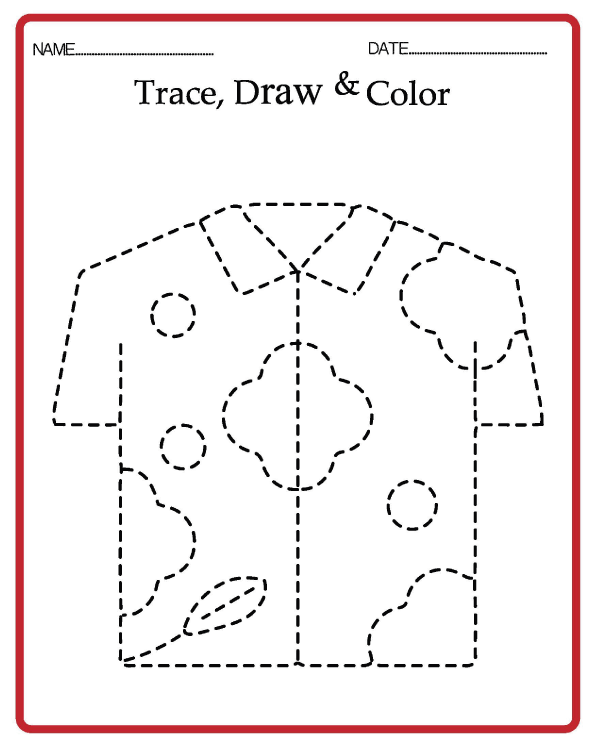
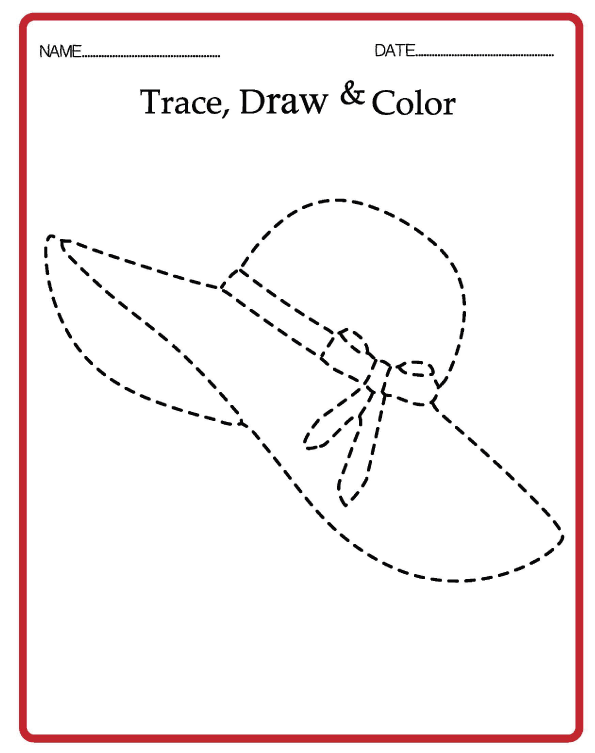
Themed worksheets make tracing even more engaging by incorporating popular subjects like animals, vehicles, or seasonal themes. When children trace fun shapes related to their interests, they are more likely to remain focused and motivated.
How to Use Tracing for Kindergarten Effectively
While tracing worksheets are valuable, their effectiveness depends on how they are used. Here are some strategies to get the most out of printable tracing for kindergarten:
1. Create a Routine
Set aside a consistent time each day for tracing activities. Regular practice reinforces skills and helps children develop a habit of focused learning. Even 10–15 minutes per day can make a significant difference over time.
2. Use the Right Tools
Provide children with pencils, crayons, or markers that are comfortable to hold. Thick crayons or triangular pencils are ideal for little hands, offering better control and reducing frustration.
3. Encourage Proper Grip and Posture
Teach children to hold writing tools correctly and maintain good posture. Proper hand positioning and seating help prevent fatigue and support better handwriting development.
4. Combine Tracing with Fun Activities
Make tracing interactive by combining it with coloring, stickers, or games. For example, children can trace a letter and then draw an object that starts with that letter. This approach strengthens memory retention and makes learning enjoyable.
5. Praise Effort, Not Just Accuracy
Focus on effort rather than perfection. Positive reinforcement encourages children to continue practicing without fear of making mistakes, fostering a growth mindset.
tracing for kindergarten – How to Use Tracing for Kindergarten Effectively
Benefits Beyond Writing
Tracing for kindergarten has far-reaching benefits that extend beyond writing proficiency. By incorporating tracing into a child’s daily routine, parents and educators support multiple areas of development:
- Cognitive development: Following lines and shapes requires children to think critically and plan their movements.
- Visual-motor integration: Tracing helps children connect what they see with how they move their hands.
- Preparation for reading: Recognizing letters and numbers through tracing supports early literacy and numeracy skills.
- Creativity and imagination: Themed tracing worksheets allow children to explore art and creativity while learning foundational writing skills.
By understanding these broader benefits, adults can appreciate tracing activities as a multifaceted educational tool rather than just a writing exercise.
Free Printable Kindergarten Activity Sheets for Fun Learning at Home
Printable Tracing for Kindergarten: Where to Find Resources
Finding high-quality printable tracing worksheets is easier than ever. Many websites offer free and paid resources designed specifically for preschool and kindergarten learners. Some key options include:
- Educational websites: Sites like Education.com, Twinkl, and Teachers Pay Teachers provide extensive collections of tracing worksheets.
- Teacher blogs and activity pages: Many educators share free printables tailored to different skill levels.
- Apps and digital resources: Interactive tracing apps can complement physical worksheets, allowing children to practice digitally.
When choosing resources, look for worksheets that are visually appealing, age-appropriate, and gradually increase in complexity to match a child’s progress.
Tips for Making Tracing Fun and Engaging
Tracing doesn’t have to be boring. Here are some creative ways to make tracing for kindergarten more enjoyable:
- Add Colors and Patterns: Allow children to use multiple colors while tracing letters or shapes.
- Incorporate Movement: Trace letters in the air or on large sheets of paper to combine physical activity with learning.
- Use Rewards and Stickers: Celebrate completed worksheets with small rewards to motivate consistent practice.
- Story-Based Tracing: Pair tracing letters with simple stories or objects that start with that letter.
- Collaborative Tracing: Encourage siblings or classmates to trace together, making it a social and interactive activity.
By turning tracing into a game or a creative activity, children are more likely to engage deeply and retain what they learn.
Conclusion:
Tracing for kindergarten is a vital tool for developing early writing skills. Printable tracing worksheets offer a structured, flexible, and fun way for children to practice letters, numbers, shapes, and patterns. Beyond writing, tracing activities strengthen fine motor skills, hand-eye coordination, cognitive abilities, and early literacy and numeracy skills.
By selecting high-quality resources, establishing a consistent practice routine, and making tracing enjoyable, parents and educators can give children a strong foundation for success in school and lifelong learning. Incorporating tracing for kindergarten into daily learning routines ensures that children not only master essential writing skills but also build confidence, creativity, and a love for learning.
With the right approach, tracing is more than just an activity—it’s a stepping stone toward academic achievement and personal growth for every young learner.
🎉 Enjoy a variety of tracing paper activities that combine learning and fun. (15 Pages) 🎉