Table of contents
Helping children build a strong foundation in math doesn’t have to be complicated. In fact, simple and engaging activities can make a big difference in how children understand numbers and problem-solving. Early exposure to basic arithmetic like addition and subtraction supports logical thinking, boosts confidence, and prepares children for more advanced math later on.
The learning material provided focuses on practicing simple addition and subtraction through structured examples. These types of exercises are ideal for young learners who are beginning to explore numbers and mathematical relationships in a meaningful way.
What This Activity Teaches Children
This activity introduces children to essential early math skills in a clear and approachable format. Here’s what your child will gain from it:
1. Understanding Addition and Subtraction
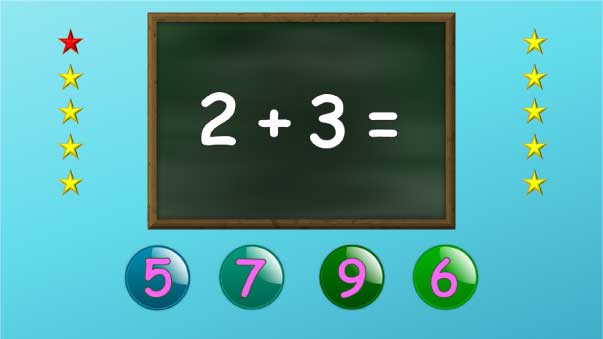
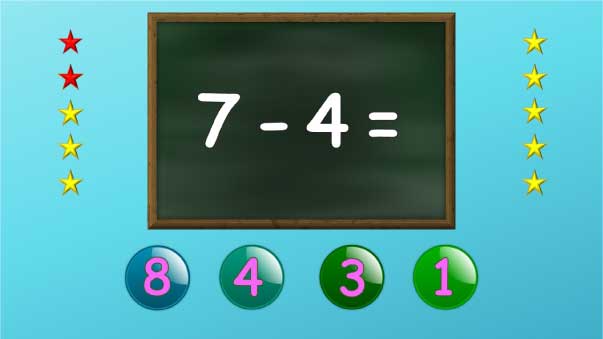
Children learn how numbers combine and separate. By solving problems like “2 + 3” or “7 – 4,” they begin to grasp the concept of quantity and change.
2. Number Recognition and Sequencing
The activity includes various numbers arranged in patterns, helping children recognize digits and understand their order.
3. Problem-Solving Skills
Each example encourages children to think critically about how to reach the correct answer. This builds logical reasoning step by step.
4. Mental Math Development
Repeated exposure to simple equations helps children start solving problems mentally, improving speed and confidence.
5. Focus and Attention
Working through structured math problems strengthens concentration and persistence skills that benefit all areas of learning.
How Parents Can Use This Activity With Their Child
You don’t need any special tools just a supportive approach and a little time.
Step 1: Start With Observation
Sit with your child and look at the numbers together. Ask simple questions like, “What number is this?” or “Can you count these?”
Step 2: Explain the Symbols
Introduce the meaning of “+” (adding) and “–” (taking away). Use real-life examples, such as adding toys or removing snacks.
Step 3: Solve One Example Together
Work through the first problem as a team. Say your thinking out loud:
“Let’s start with 2, then add 3 more… now we have 5!”
Step 4: Let Your Child Try
Encourage your child to attempt the next problems independently, while you gently guide if needed.
Step 5: Celebrate Effort
Focus on effort rather than perfection. Praise your child for trying, thinking, and improving.
Tips to Make This Activity Fun
Math becomes much more engaging when it feels like play rather than work.
Use Everyday Objects
Count blocks, fruits, or toys to physically demonstrate addition and subtraction.
Turn It Into a Game
Challenge your child with “quick solve” rounds or create a small reward system for completed problems.
Add Movement
Ask your child to jump forward for addition or step backward for subtraction. This connects math with physical activity.
Use a Timer (Gently)
For older children, introduce a soft time challenge to make it exciting—but keep it stress-free.
Be Playful With Mistakes
If your child makes an error, treat it as a learning moment:
“That’s a great try let’s figure it out together!”
Easy Word Guessing PowerPoint Game for Kids to Boost Vocabulary and Learning
Activity Preview
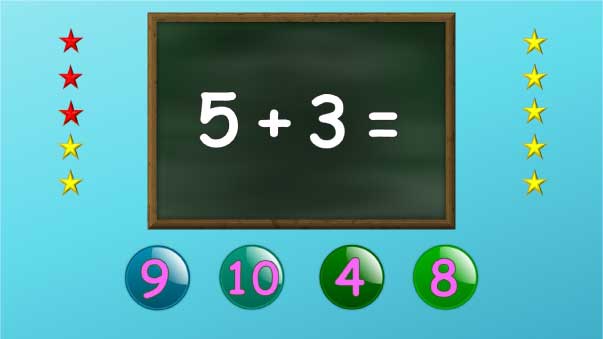
In this activity, children are presented with a variety of numbers arranged in sequences and simple math problems. They will see examples such as:
- Basic addition (e.g., 2 + 3)
- Simple subtraction (e.g., 7 – 4)
- Repeated number patterns that reinforce recognition
- Gradually increasing variation in numbers to build confidence
The layout encourages children to look carefully, think about each problem, and write or say the answer. Some sections repeat similar types of problems, which helps reinforce learning through practice.
The activity also includes prompts like solving again, encouraging repetition an important part of mastering early math skills.
Conclusion
Early math learning doesn’t need to feel overwhelming. With simple addition and subtraction activities like this, children can build confidence, develop essential skills, and even begin to enjoy working with numbers. The key is consistency, encouragement, and a playful approach.
Every small step your child takes today lays the groundwork for future learning. By turning these moments into positive experiences, you’re helping your child grow not just academically, but also in confidence and curiosity.