Table of contents
Helping children develop strong number sense early on is one of the most valuable steps in their math journey. Activities that encourage recognizing patterns, like skip counting, lay the foundation for addition, multiplication, and logical thinking.
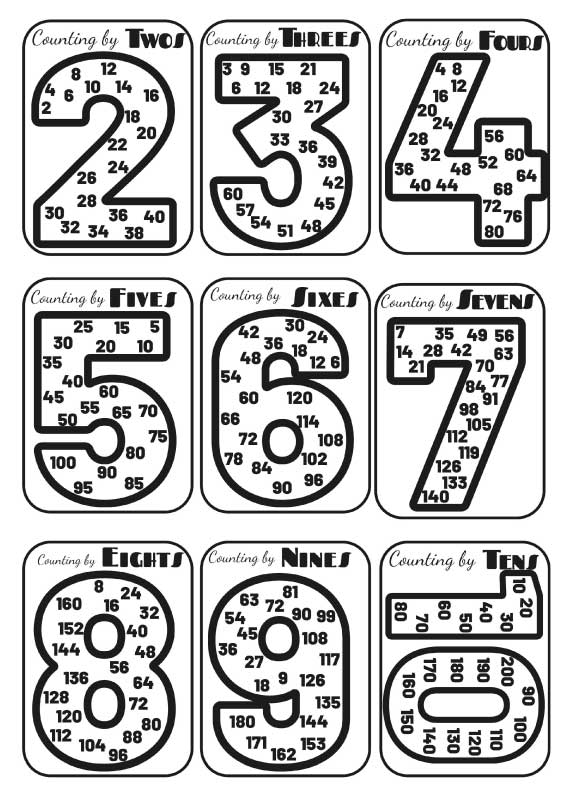
The materials provided focus on skip counting specifically counting by 3s through engaging number charts and coloring tasks. For young learners, this type of hands-on practice transforms abstract numbers into something visual, interactive, and enjoyable.
What This Activity Teaches Children
Skip counting activities are much more than simple number exercises. They build essential cognitive and mathematical skills that children will use for years to come.
Number Pattern Recognition
Children begin to notice patterns such as 3, 6, 9, 12, which helps them understand how numbers relate to each other. Recognizing these patterns is a key pre-multiplication skill.
Early Multiplication Foundations
Counting by 3s introduces children to the concept of repeated addition. This naturally leads into multiplication concepts later on.
Improved Counting Fluency
Instead of counting one-by-one, children learn to “jump” through numbers. This strengthens their mental math abilities and confidence.
Visual Learning and Memory
The number chart format, as seen in the materials, allows children to visually track patterns across rows and columns. This supports memory retention and spatial awareness.
Fine Motor Skills
Coloring selected numbers (like 3, 6, 9, and 12) helps develop hand control and coordination, especially important for younger children.
How Parents Can Use This Activity With Their Child
Using this activity effectively doesn’t require any special training just a little guidance and encouragement.
Step 1: Introduce the Concept
Start by counting aloud with your child: 1, 2, 3… Then explain that skip counting means “jumping numbers.” Demonstrate counting by 3s: 3, 6, 9, 12.
Step 2: Explore the Number Chart
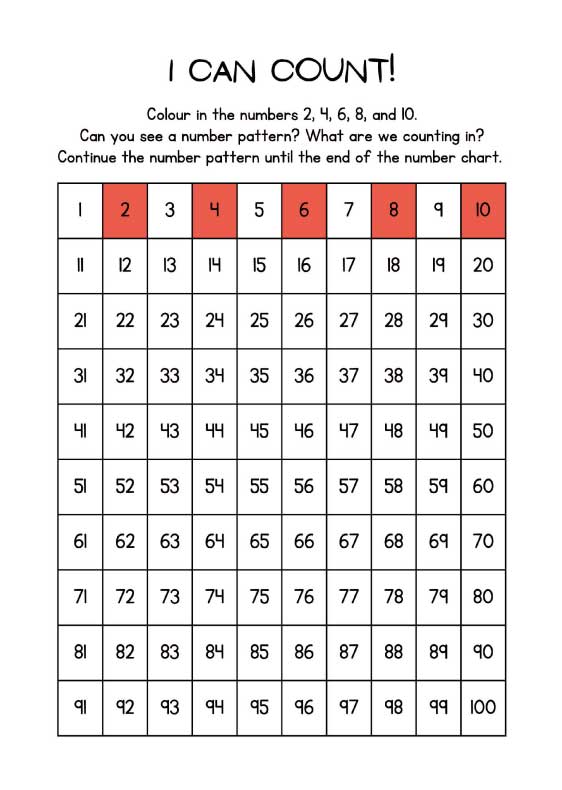
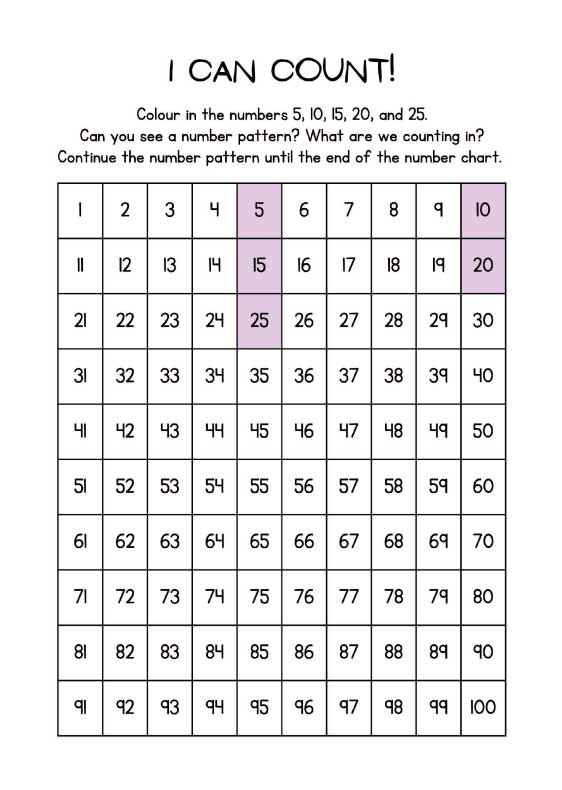
Show your child the number grid (as seen on page 8). Help them locate the starting number (3) and ask them to find the next number in the pattern.
Step 3: Color the Pattern
Encourage your child to color each number in the sequence. This visual reinforcement helps them see how the pattern spreads across the chart.
Step 4: Say the Numbers Together
As your child colors, say each number out loud together. This connects visual learning with auditory memory.
Step 5: Continue the Pattern
Guide your child to continue identifying and coloring numbers until they reach the end of the chart.
Tips to Make This Activity Fun
Keeping children engaged is key to effective learning. Here are simple ways to make this activity more enjoyable:
Turn It Into a Game
Challenge your child to “find the next number” before you do. Make it a friendly competition.
Use Movement
Have your child jump or clap every time they say a number in the sequence. For example, jump on 3, 6, 9, 12.
Add Colors and Creativity
Let your child choose different colors for different patterns. This adds a creative element and keeps them interested.
Celebrate Progress
Each completed pattern is an achievement. Offer praise and encouragement to build confidence.
Keep Sessions Short
Young children learn best in short bursts. Even 10–15 minutes can be highly effective.
Activity Preview
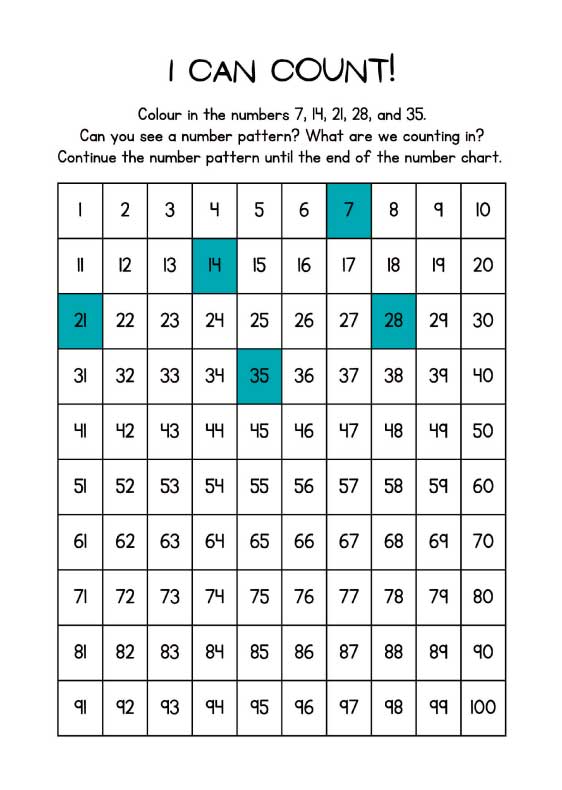
This activity centers around a number chart where children are asked to identify and color specific numbers that follow a pattern. In the example provided, children begin by coloring the numbers 3, 6, 9, and 12. From there, they are encouraged to continue the pattern across the chart. The layout makes it easy for children to visually track how numbers increase and repeat in a predictable sequence.
Easy 2D Shapes Activities for Kids: Learn Shapes Through Fun Worksheets
What makes this activity particularly effective is its combination of visual, tactile, and cognitive learning. Children are not just passively looking at numbers they are actively engaging with them. By coloring and identifying patterns, they begin to understand how numbers are structured. Over time, this builds confidence and helps them approach math with curiosity rather than hesitation.
Conclusion
Simple activities like skip counting can have a powerful impact on a child’s early math development. By combining visual patterns, hands-on engagement, and repetition, children begin to see numbers as something meaningful and manageable.
With patience, encouragement, and a bit of creativity, parents and educators can turn these moments into enjoyable learning experiences that build lasting skills.