Table of contents
Storytelling activities for kids are one of the most powerful and enjoyable ways to support early childhood development. Through engaging stories filled with colorful characters, imaginative settings, and meaningful lessons, children naturally develop language, creativity, and emotional understanding.
The materials show a rich collection of illustrated stories featuring animals going on adventures, magical forests, kind-hearted characters, and important life lessons . These types of stories create the perfect opportunity for parents and educators to turn reading time into an interactive learning experience.
When storytelling becomes more than just reading, when it becomes a shared activity it helps children connect, think, and grow in meaningful ways.
What This Activity Teaches Children
Storytelling activities for kids go far beyond entertainment. They support multiple areas of development:
1. Language and Vocabulary Development
Listening to stories introduces children to new words, sentence structures, and expressions. Over time, this strengthens their communication skills and confidence in speaking.
2. Imagination and Creativity
Stories featuring animals playing music, magical adventures, or talking characters encourage children to think beyond reality. This imaginative thinking is essential for problem-solving and creativity.
3. Emotional Intelligence
Children learn to recognize and understand emotions through story characters—whether it’s kindness, fear, bravery, or joy. This helps them process their own feelings.
4. Listening and Focus Skills
Following a story from beginning to end improves attention span and listening comprehension, which are critical for school readiness.
5. Moral and Social Learning
Many stories subtly teach values such as kindness, sharing, courage, and honesty. For example, stories about helping others or learning from mistakes guide children in understanding right and wrong.

How Parents Can Use This Activity With Their Child
Turning storytelling into a meaningful activity is simple and rewarding. Here’s a step-by-step approach:
Step 1: Choose an Engaging Story
Pick a story with colorful illustrations and relatable characters animals, children, or magical figures often capture attention best.
Step 2: Read With Expression
Use different voices, tones, and facial expressions for each character. This makes the story come alive and keeps your child engaged.
Step 3: Pause and Interact
Ask questions during the story:
- “What do you think will happen next?”
- “How does this character feel?”
This builds comprehension and critical thinking.
Step 4: Encourage Participation
Let your child repeat phrases, mimic sounds (like animal noises), or act out parts of the story.
Step 5: Reflect After Reading
Talk about the story’s message. Ask your child what they learned or liked most.
Tips to Make This Activity Fun
Keeping children engaged is key to making storytelling effective. Try these ideas:
- Use props or toys: Turn characters into real-life figures using stuffed animals or puppets
- Create a cozy reading space: A quiet, comfortable corner makes storytelling special
- Add sound effects: Clap, tap, or use your voice to imitate sounds from the story
- Let your child lead: Allow them to “read” or retell parts of the story in their own way
- Keep sessions short and joyful: Especially for younger children
Hot Air Balloon Story Activity for Kids: Fun Early Science Learning
Ways to Extend the Activity
Once your child enjoys storytelling, you can expand the activity into deeper learning experiences:
1. Drawing Story Scenes
Ask your child to draw their favorite character or moment from the story.
2. Role-Playing
Act out the story together using simple costumes or pretend play.
3. Create a New Ending
Encourage your child to imagine a different ending. This builds creativity and storytelling skills.
4. Story Sequencing
Ask your child to recall the order of events—beginning, middle, and end.
5. Connect Stories to Real Life
Relate the story’s lesson to everyday situations, such as sharing, helping, or being brave.

Activity Preview
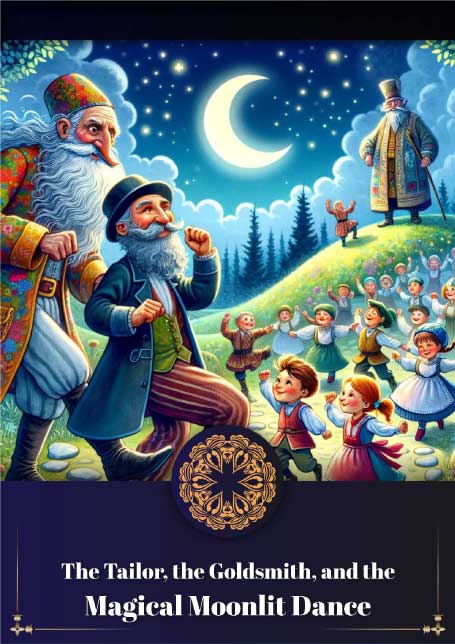
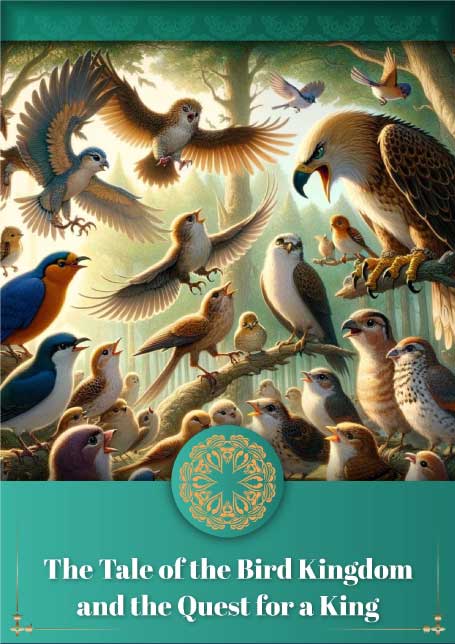
In this type of storytelling activity, children are presented with beautifully illustrated scenes such as:
- Friendly animals like an owl and a cat sharing music under a glowing moon
- A family sitting together while a mysterious nighttime scene unfolds outside
- Magical forests with adventurous characters exploring unknown places
- Groups of animals working together or going on exciting journeys
Children are encouraged to observe the images, listen to the story, and actively engage by imagining what is happening, predicting outcomes, and expressing their thoughts.
The visuals play a crucial role in helping children connect with the story, making it easier for them to understand and remember.
Simple Ways to Try This Activity Today
- Pick a short illustrated story and read it together before bedtime
- Ask your child to describe what they see in the pictures
- Let your child act out one character from the story
- Talk about the lesson or message in simple terms
- Encourage your child to create their own mini story
Conclusion
Storytelling activities for kids are a simple yet powerful way to nurture a child’s imagination, language skills, and emotional growth. With just a few minutes each day, parents can create meaningful learning moments that children will remember for years.
By turning stories into interactive experiences, you’re not only helping your child learn you’re building a lifelong love for reading, creativity, and connection.