Table of contents
Stories play a powerful role in early childhood development. Through simple narratives and engaging characters, children begin to understand complex ideas like cooperation, empathy, and perseverance. A well-crafted teamwork story for kids can do much more than entertain it can shape how children interact with others and respond to challenges.
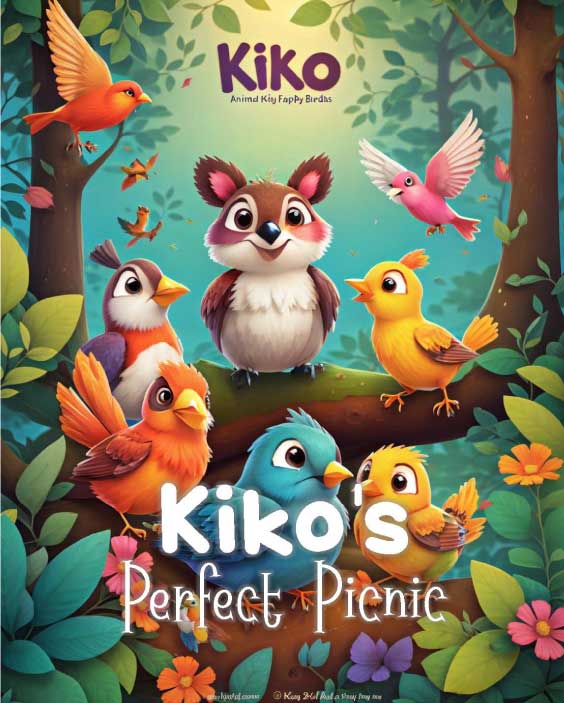
“Kiko’s Perfect Picnic” is a delightful example of a story that gently introduces children to the importance of working together and staying positive when things don’t go as planned. Set in a colorful meadow filled with friendly animals, the story creates a safe and relatable environment where young learners can explore social and emotional skills in a meaningful way.
For parents, homeschoolers, and educators, this type of story becomes a valuable teaching tool that encourages both conversation and connection.
What This Story Teaches Children
1. Teamwork and Collaboration
At the heart of this story is the idea of working together toward a shared goal. Kiko and her friends divide tasks, gather food, and prepare for the picnic as a team. This introduces children to basic collaboration skills listening, sharing responsibilities, and helping others.
2. Problem-Solving Skills
When the unexpected wind disrupts the picnic, children see a realistic challenge unfold. Instead of giving up, the characters adapt and find creative solutions. This models flexible thinking and encourages children to approach problems with curiosity rather than frustration.
3. Resilience and Emotional Growth
The story highlights an important emotional lesson: things don’t always go as planned—and that’s okay. Kiko’s positive attitude teaches children how to manage disappointment and keep going despite setbacks.
4. Social and Communication Skills
Through dialogue and group decision-making, children observe how characters communicate ideas and support one another. These moments help young learners understand cooperation, turn-taking, and expressing thoughts clearly.
5. Appreciation of Friendship
The story emphasizes that the true joy of any activity lies in shared experiences. Children learn that relationships and connection are more valuable than perfection.
How Parents Can Use This Story with Their Child
Step 1: Read Together Slowly
Begin by reading the story aloud in a calm, engaging tone. Pause occasionally to let your child absorb what’s happening. Ask simple questions like:
- “What do you think Kiko is feeling?”
- “What would you do if the picnic got ruined?”
Step 2: Discuss the Key Moments
Focus on important parts of the story, such as planning the picnic and the unexpected wind. Help your child identify:
- The problem
- The characters’ reactions
- The solution they chose
This builds early comprehension and critical thinking skills.
Step 3: Connect to Real Life
Relate the story to your child’s own experiences. For example:
- “Remember when our plan changed and we had to try something different?”
- “How did you feel, and what helped you feel better?”
This helps children internalize the lesson.
Step 4: Role-Play the Story
Encourage your child to act out parts of the story. You can assign roles (Kiko, birds, rabbits) and recreate the picnic scene. Role-playing strengthens understanding and builds confidence in expressing emotions.
Step 5: Extend the Activity
Turn the story into a hands-on learning experience:
- Plan a small “picnic” at home
- Let your child help organize items
- Introduce a small “unexpected challenge” and solve it together
This reinforces the story’s message in a fun, memorable way.
Fun Ocean Adventure Story for Kids to Boost Learning and Imagination
Story Preview
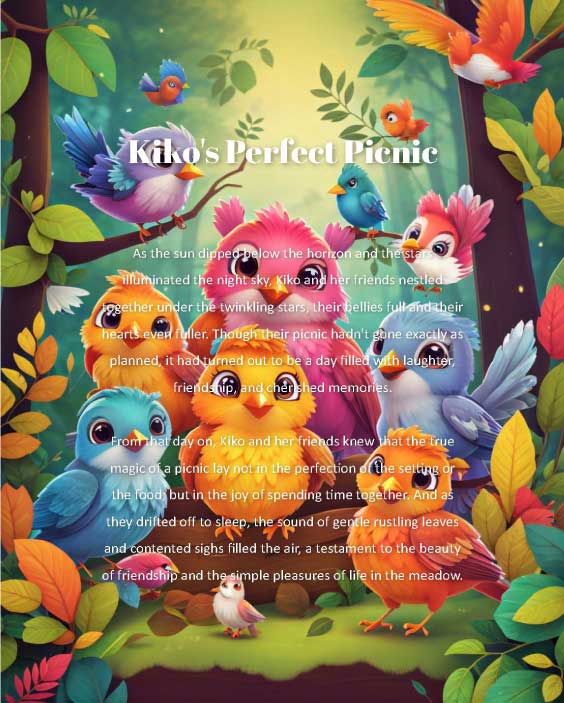
“Kiko’s Perfect Picnic” follows a cheerful young fox who dreams of organizing a wonderful picnic for her friends. Living in a vibrant meadow surrounded by birds and rabbits, Kiko is full of excitement as she invites everyone to join her outdoor adventure. Together, they begin preparing—gathering food, arranging the space, and working as a team to bring Kiko’s vision to life.
Just when everything seems ready, an unexpected gust of wind disrupts their carefully planned picnic. Blankets scatter, and the setup falls apart. Instead of giving up, Kiko encourages her friends to stay positive and find new ways to make the picnic work. Using creativity and teamwork, they rebuild their space and continue with their celebration. By the end, the children see that the picnic becomes even more special not because it was perfect, but because of the laughter, friendship, and shared effort that made it meaningful.
Conclusion
Simple stories like “Kiko’s Perfect Picnic” remind us that meaningful learning doesn’t require complexity. Through gentle storytelling and relatable situations, children can develop essential life skills such as teamwork, resilience, and empathy.
For parents and educators, this story offers more than just reading time it creates an opportunity to guide children in understanding emotions, solving problems, and building strong relationships. With consistent exposure to stories like this, children gradually learn that challenges are part of life and that with support and creativity, they can overcome them.
Even the smallest story can leave a lasting impression, especially when shared with care and intention.