Table of contents
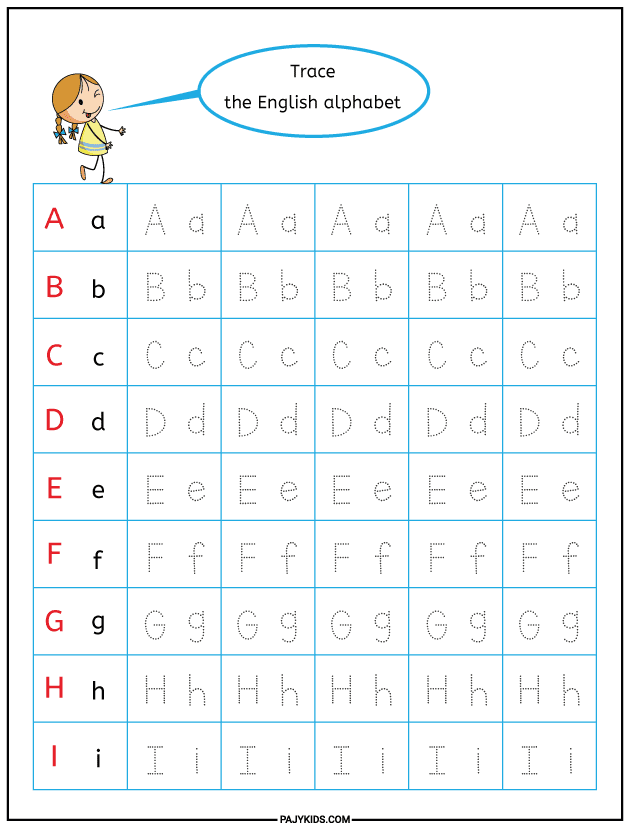
Early literacy development begins with recognizing and forming letters correctly. tracing alphabet worksheets for capital and small letters provide a structured, child-friendly pathway to learn letter writing with confidence. By combining clear visual cues with guided practice, these worksheets help kindergarten learners build strong foundations for reading and writing without frustration.
Why Capital and Small Letters Matter in Early Writing
Learning both capital and small letters together helps children understand how letters appear in real texts. Capitals often signal beginnings, while small letters dominate everyday reading. Introducing both forms early improves visual discrimination and reduces confusion later, supporting smoother transitions into word formation and sentence writing.
Tracing Alphabet Through Visual Guidance and Directionality
Effective worksheets emphasize starting points, stroke order, and spacing. With arrows, dotted lines, and consistent sizing, tracing alphabet activities guide children step by step, reinforcing correct directionality. This clarity prevents common errors and builds muscle memory, which is essential for fluent handwriting.
Building Fine Motor Skills with Structured Practice
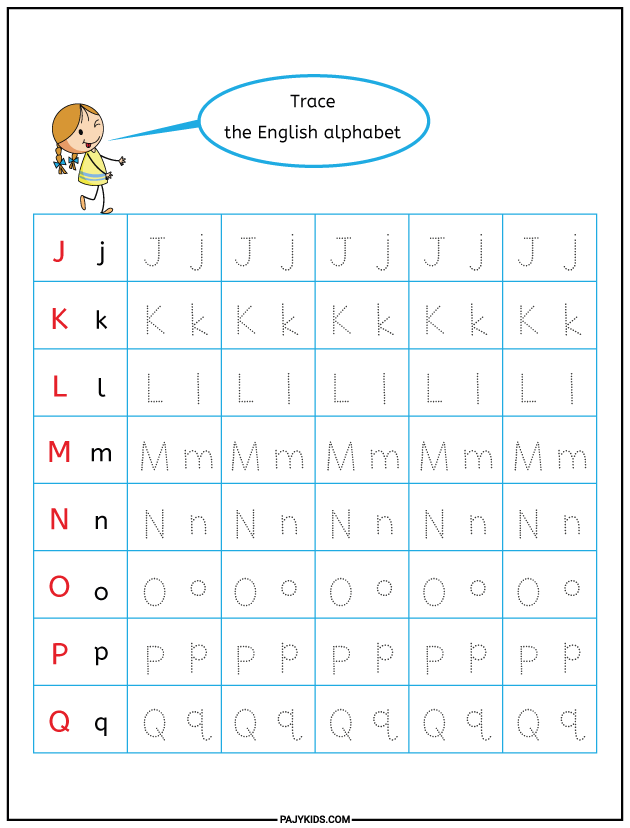
Tracing strengthens the small muscles of the hand and improves hand–eye coordination. Repeated, short practice sessions help children develop pencil control and endurance. As these skills grow, learners gain the confidence needed to move from guided tracing to independent writing tasks.
Tracing Alphabet Worksheets for Gradual Skill Progression
A well-designed sequence begins with larger letter forms and heavier guides, then gradually reduces support. This progression allows tracing alphabet practice to evolve naturally into free writing. Children experience success at each stage, which boosts motivation and encourages consistent practice.
Making Letter Tracing Engaging and Effective
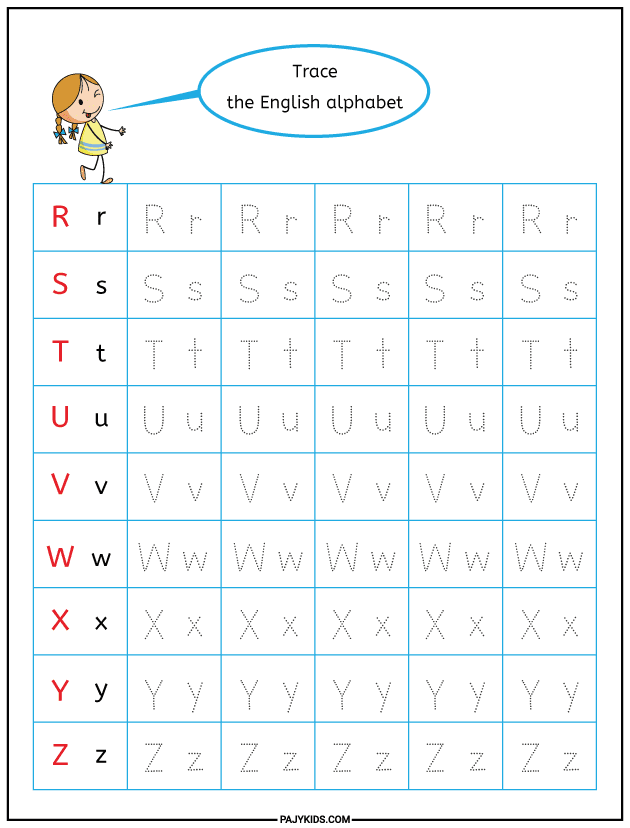
Variety keeps learning enjoyable. Coloring cues, matching activities, and simple prompts paired with tracing maintain attention and reinforce recognition. Integrating sound awareness—saying letter names or sounds while tracing—deepens learning and connects writing to early reading skills.
Free Alphabet Tracing Pages for Kids: Fun Printable Worksheets to Learn ABCs!
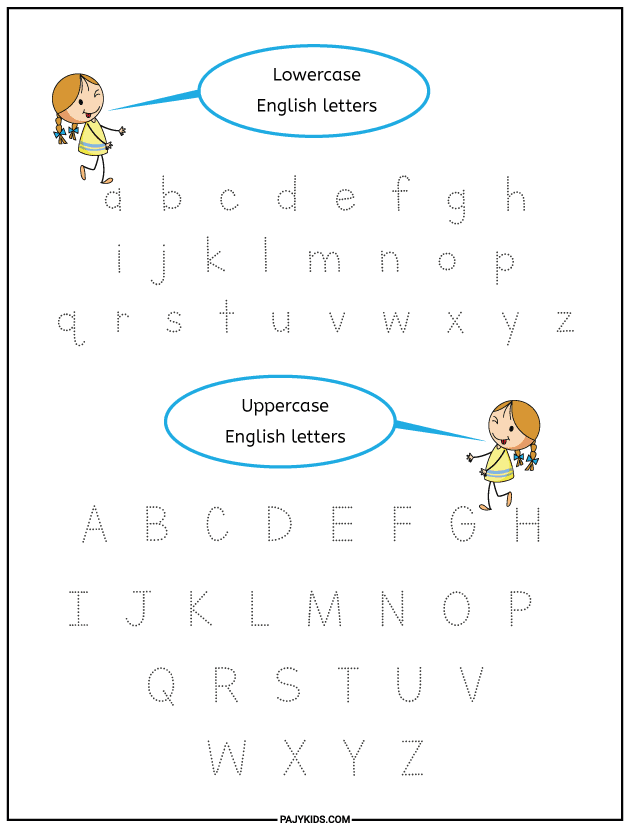
Capital and small letter worksheets are a powerful tool for early literacy when thoughtfully designed. Through clear visuals, gradual progression, and engaging activities, tracing alphabet practice builds letter recognition, fine motor control, and confidence. These early gains prepare children for successful reading and writing in the classroom and beyond.