Table of contents
Early writing practice plays a crucial role in helping children feel confident with numbers. tracing numbers 1 20 activities provide a gentle and structured introduction to number writing, allowing kids to learn correct formation while developing essential motor skills. When tracing is presented as a fun and achievable task, children are more motivated to practice and improve.
Why Tracing Is Important in Early Number Learning
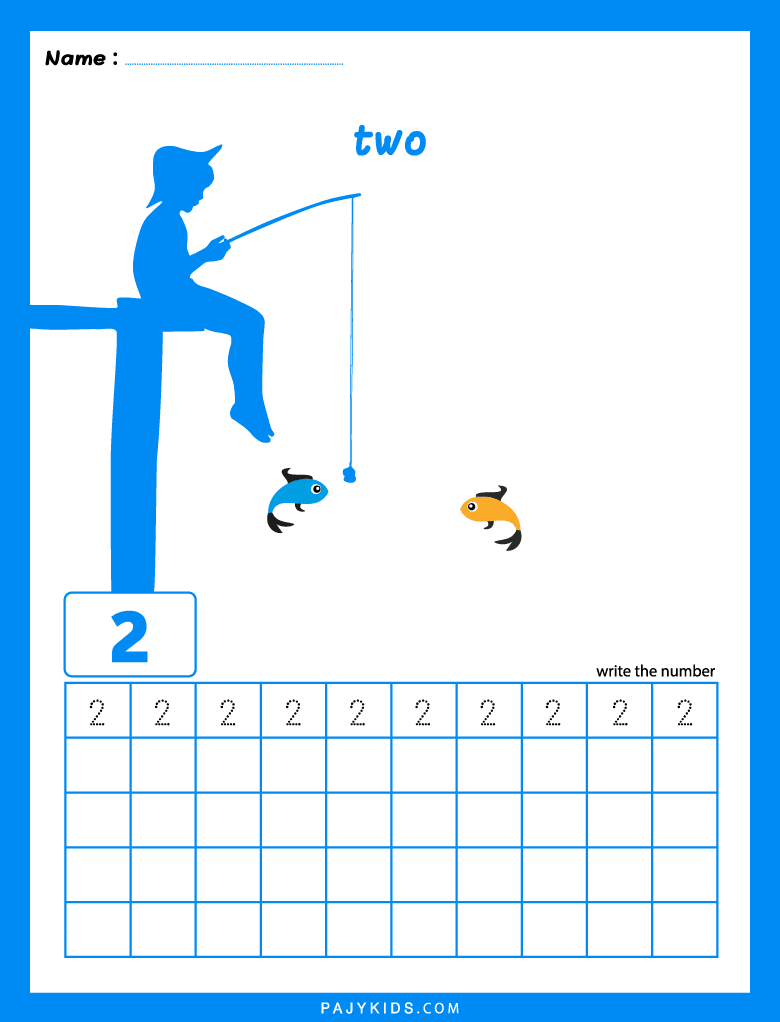
Tracing helps children recognize number shapes before attempting free writing. By following guided lines, children learn directionality, spacing, and consistency. This process reduces frustration and builds confidence, especially for beginners who are still developing control over their hand movements. Tracing also supports memory, helping children remember how each number looks and is written.
Tracing Numbers 1 20 Through Visual Guidance
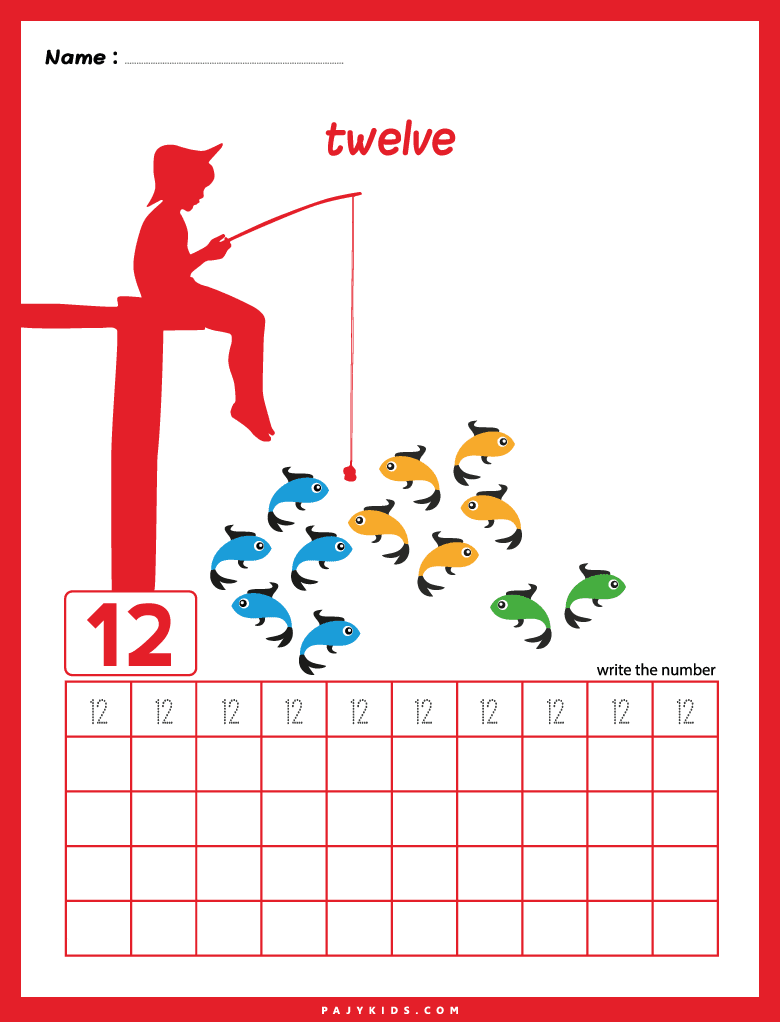
Clear visual support is key to successful tracing activities. Large numbers, dotted lines, and arrows guide children step by step. With tracing numbers 1 20, visual cues help children understand where to start and how to move their pencil correctly, preventing common writing mistakes and reinforcing good habits from the beginning.
Developing Fine Motor Skills with Tracing Activities
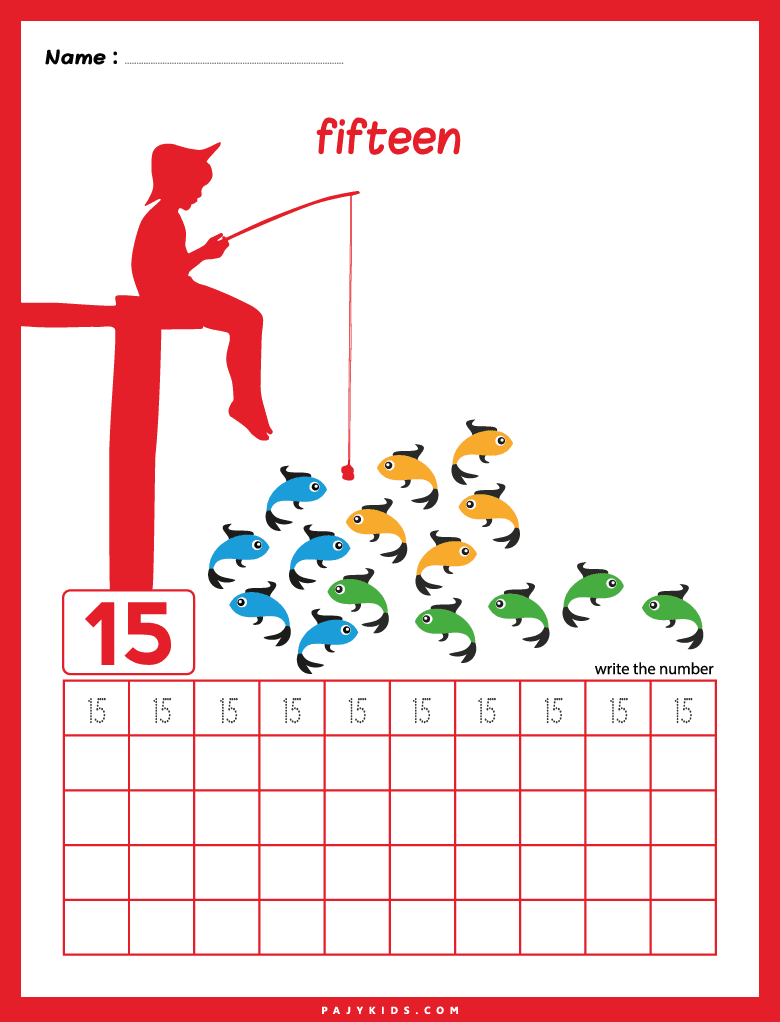
Tracing numbers strengthens small hand muscles and improves hand–eye coordination. As children practice, they gain better pencil control and endurance. These fine motor skills are essential not only for number writing but also for letter writing and other classroom tasks. Regular tracing practice supports overall school readiness.
Tracing Numbers 1 20 as a Step Toward Independent Writing
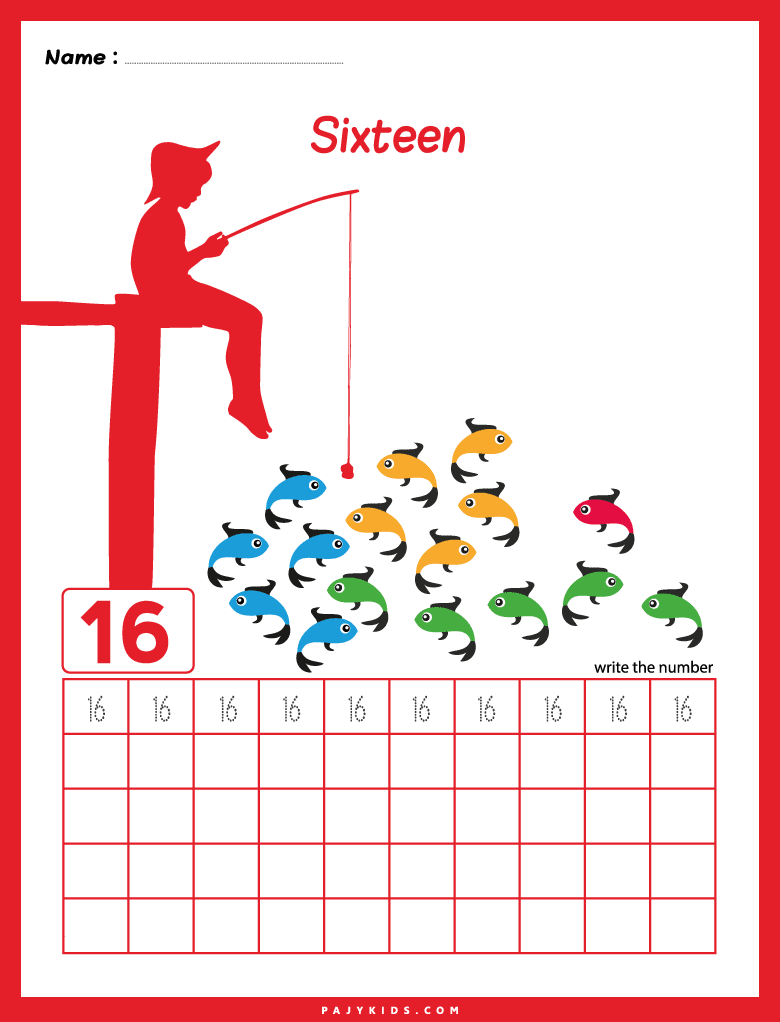
Tracing serves as a bridge between recognition and independent writing. Once children feel comfortable following guided lines, they are more prepared to write numbers on their own. Gradually reducing visual support allows tracing numbers 1 20 activities to transition smoothly into free writing practice without overwhelming the learner.
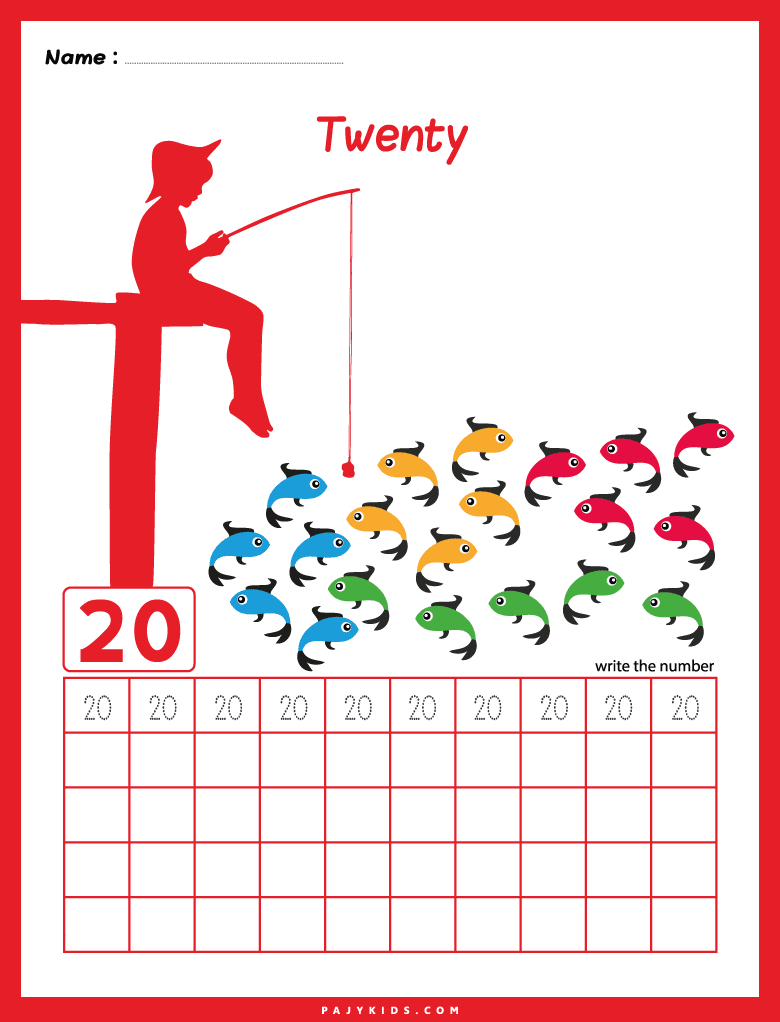
Making Tracing Activities Fun and Engaging
Keeping children interested is essential for consistent practice. Adding colors, pictures, or short challenges makes tracing enjoyable rather than repetitive. Combining tracing with counting aloud or identifying numbers turns writing practice into a complete learning experience that reinforces both math and coordination skills.
Subtraction Table 1 to 20: Mastering Subtraction with a Simple and Effective Resource
Easy writing activities are a powerful foundation for early math success. When thoughtfully designed, tracing numbers 1 20 activities help children develop number recognition, fine motor control, and confidence. These early experiences prepare kids for independent writing and future math learning in a positive and supportive way.