Table of contents
Early number learning becomes far more effective when children are actively engaged and enjoying the process. write arabic numbers through fun tracing activities offers young learners a balanced approach that combines play with structured practice. At the kindergarten level, these activities help children recognize number shapes, improve hand control, and build confidence without pressure, making learning both meaningful and enjoyable.
Write Arabic Numbers as a Foundation for Early Learning
Tracing numbers is more than a pre-writing task; it is a foundational skill that supports early numeracy. When children write arabic numbers using guided tracing, they begin to understand number order, direction, and consistency. This early exposure strengthens number recognition and prepares children for counting, matching quantities, and simple math concepts in later stages.
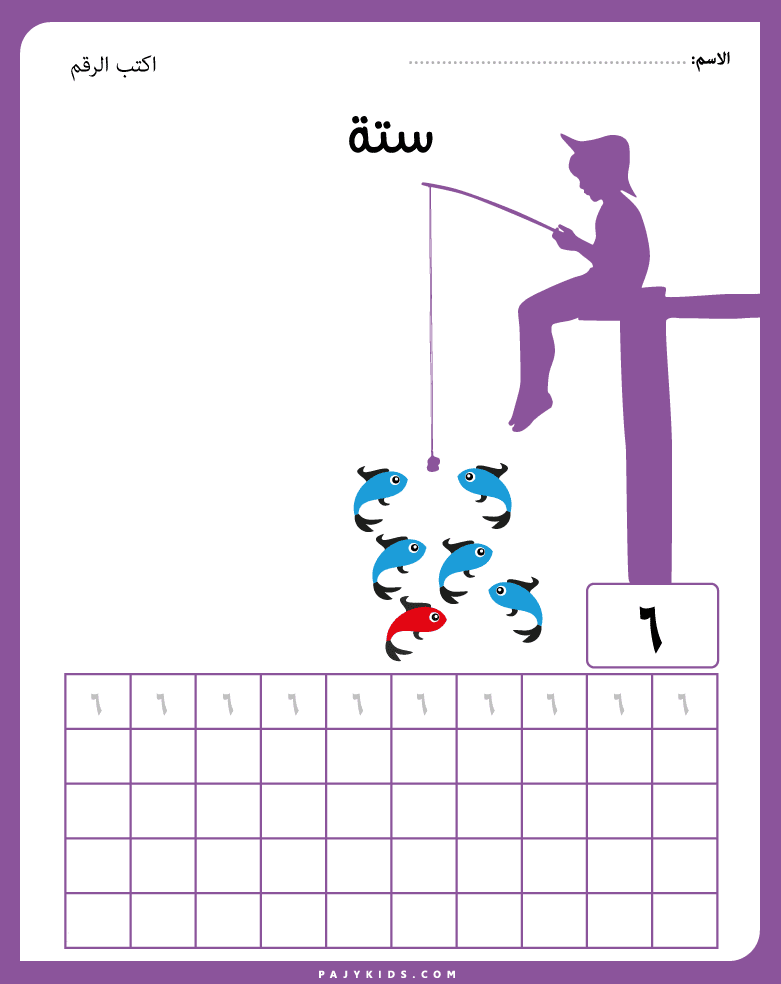
Developing Fine Motor Skills Through Tracing Play
Fun tracing activities are designed to strengthen the small muscles in the hands and fingers. Repeated tracing improves pencil grip, hand stability, and coordination between the eyes and hands. As children practice and gradually gain control, the task of learning to write arabic numbers becomes smoother and less tiring, encouraging longer focus and better results.
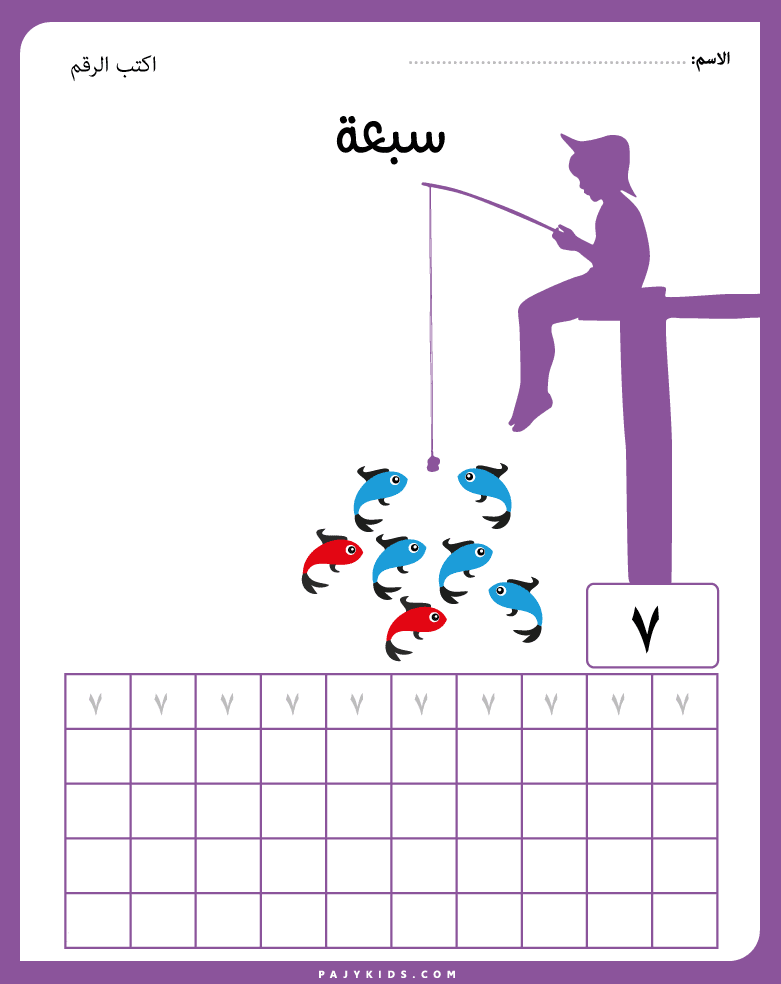
Write Arabic Numbers Using Games and Interactive Activities
Children learn best through play, and interactive tracing activities turn practice into an engaging experience. Using colors, stickers, puzzles, and themed worksheets motivates children to participate willingly. When they write arabic numbers through games and creative tasks, learning feels natural rather than forced, increasing retention and enthusiasm.
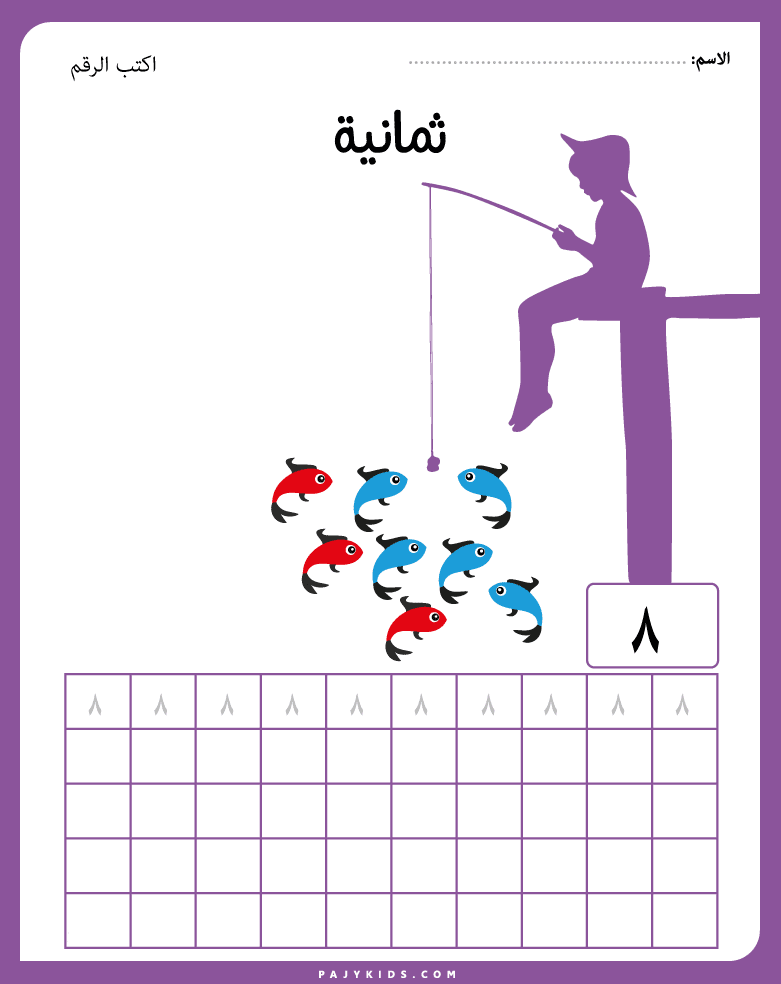
Visual Guidance That Builds Accuracy and Confidence
Clear visual cues play a crucial role in tracing success. Dotted lines, arrows, and proper spacing guide children step by step, helping them form numbers correctly. This structure reduces mistakes and frustration. Over time, children rely less on guides as they gain confidence in their ability to write arabic numbers independently.
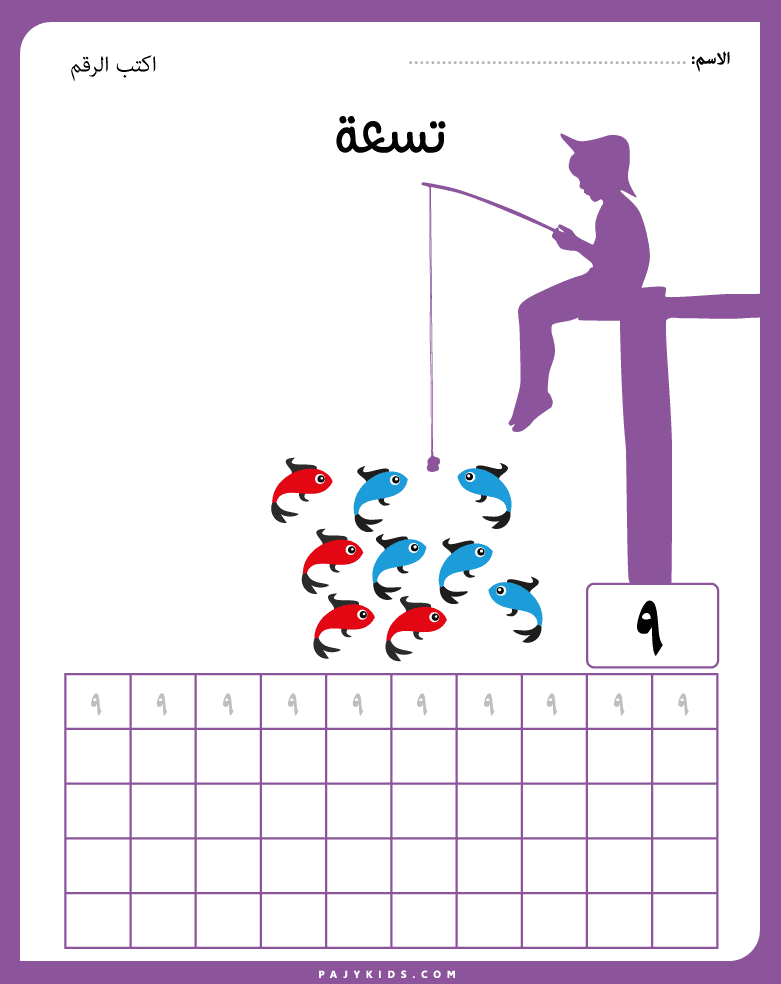
Learning Beyond the Classroom
Tracing activities are most effective when reinforced at home as well as at school. Short, relaxed practice sessions allow parents to support learning without pressure. Consistent exposure helps children retain skills and feel comfortable practicing. With encouragement, children continue to write arabic numbers confidently across different environments.
Arabic Shapes: Cut and Paste Activities for Kindergarten
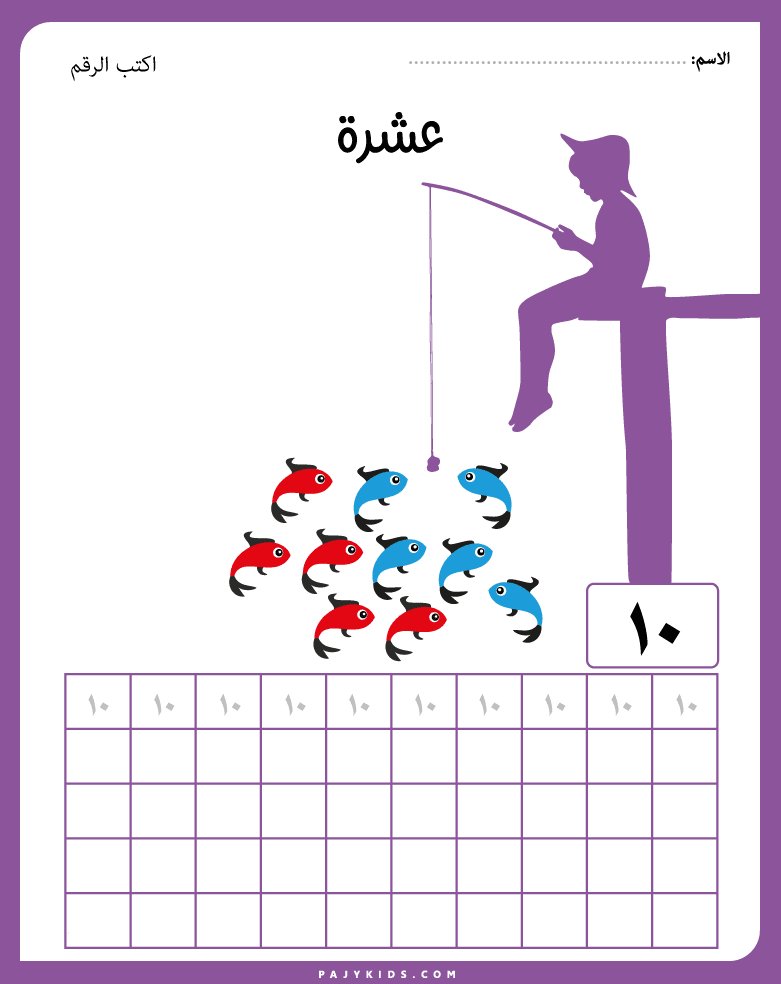
Fun tracing activities provide an ideal introduction to number writing for young learners. By combining structure, creativity, and repetition, children develop strong motor skills and number awareness. When kids learn to write arabic numbers through enjoyable and age-appropriate activities, they build a solid foundation for future math success while maintaining a positive attitude toward learning.