Table of contents
Children learn best when they are actively engaged, and games are one of the most powerful ways to turn learning into an enjoyable experience. A Wheel of Fortune–style game for kids combines curiosity, problem-solving, and language development into one exciting activity.
This type of activity encourages children to think critically, recognize letters, and connect words with real-life objects and situations. Whether used at home or in a classroom, it provides a playful way to strengthen vocabulary and boost confidence in early learners.
What This Activity Teaches Children
This word guessing activity offers multiple developmental benefits that go far beyond simple entertainment.
1. Vocabulary Expansion
Children are exposed to everyday words like spoon, jacket, bowling, and scissors. Associating these words with clues helps them understand meaning in context.
2. Letter Recognition and Spelling
Seeing partially revealed words encourages children to identify letters and predict spelling patterns. This strengthens early literacy skills.
3. Critical Thinking and Problem-Solving
Each round includes a clue that children must interpret. They learn to analyze hints and connect them with the correct word.
4. Listening and Comprehension Skills
When adults read clues aloud, children practice listening carefully and understanding instructions.
5. Confidence Building
Successfully guessing a word gives children a sense of achievement, encouraging them to participate more actively in learning.
How Parents Can Use This Activity With Their Child
You don’t need any special setup to enjoy this activity. Here’s a simple step-by-step approach:
Step 1: Present the Letters
Show your child a partially completed word. Some letters are visible, while others are missing.
Step 2: Read the Clue
Give a simple, clear clue related to the word. For example:
“What do you use to eat soup?”
Step 3: Encourage Guessing
Ask your child to guess the word based on the letters and clue. Let them think aloud.
Step 4: Fill in Missing Letters
As your child guesses correctly, help complete the word together.
Step 5: Celebrate the Answer
Acknowledge their effort and discuss the word briefly to reinforce understanding.
This process keeps children engaged while gently guiding them toward the correct answer.
Easy Regular and Irregular Verbs Activity for Kids Learning Past Tense
Tips to Make This Activity Fun
Keeping the activity enjoyable is key to maintaining your child’s interest.
Use a Game Show Voice
Pretend you are hosting a game show. Add excitement with dramatic pauses and cheerful encouragement.
Offer Small Rewards
Simple rewards like stickers or claps can motivate children to participate enthusiastically.
Adjust Difficulty
For younger children, use shorter words. For older kids, introduce longer or more complex vocabulary.
Take Turns
Let your child create clues for you. This builds confidence and reinforces learning.
Keep Sessions Short
Young children have limited attention spans. Short, lively sessions are more effective than long ones.
Activity Preview
In this activity, children are presented with a series of rounds where each word is partially revealed using individual letters. Each round includes a simple, relatable question that guides them toward the correct answer.
For example:
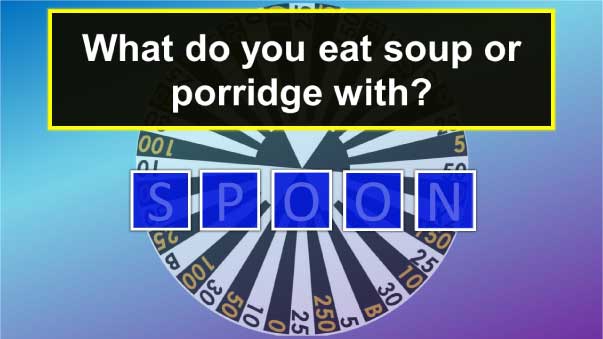
- A word like S P O O N is paired with a clue about eating soup or porridge.
- Another round shows letters forming J A C K E T, connected to staying warm in cold weather.
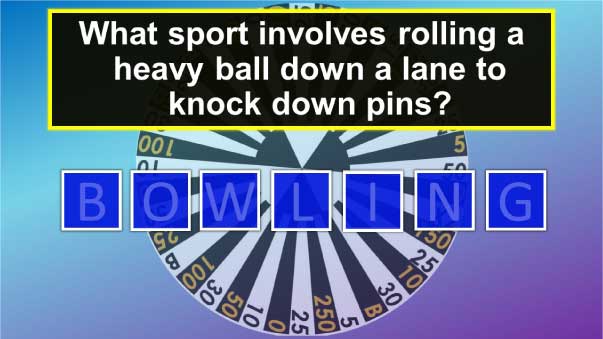
- A more challenging word like B O W L I N G introduces a sport concept.
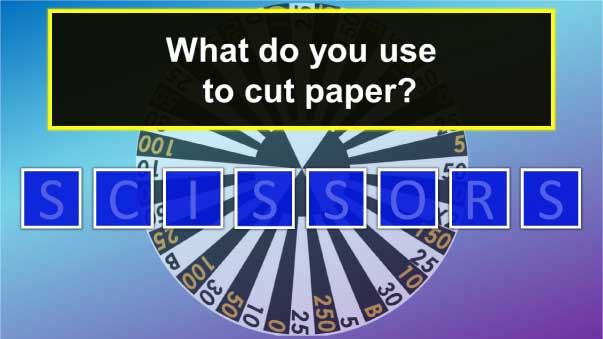
- The final round presents S C I S S O R S, linked to cutting paper.
Children look at the letters, listen to the clue, and try to guess the full word. This combination of visual and verbal cues makes the activity both engaging and educational.
Conclusion
Simple activities like this can make a big difference in your child’s learning journey. By turning everyday vocabulary into a fun guessing game, you’re helping your child build language skills, confidence, and a love for learning.
You don’t need complicated tools or long preparation just a few words, a little creativity, and your encouragement. Over time, these small moments of playful learning can create strong foundations that support your child’s growth both in school and beyond.